How to Give a Cat a Pill Safely and Effectively
Why Pill Administration Is Challenging
Cats have highly sensitive gag reflexes, acute taste perception, and instinctive resistance to oral medication. A 2022 study in the Journal of Feline Medicine and Surgery found that 78% of cat owners reported difficulty administering pills—often resulting in incomplete dosing or injury to the cat or handler (Harris et al., 2022).
Essential Tools and Prep Work
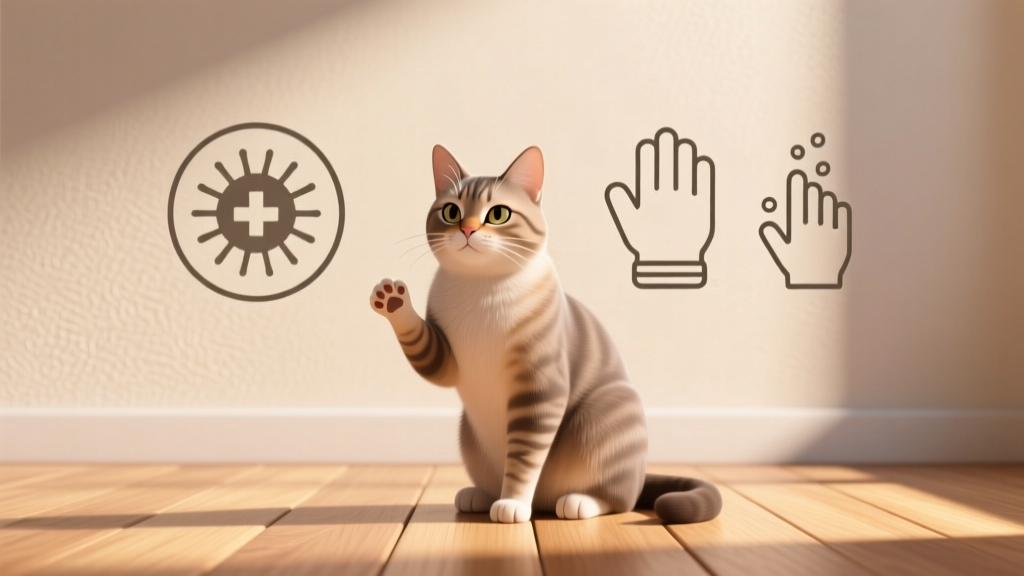
Gather supplies before approaching your cat: a pill gun (e.g., Petmate Pill Popper), high-value treats like Greenies Pill Pockets (flavor-specific variants launched in 2021), non-slip matting, and gloves if your cat is anxious. Always wash hands before and after handling medication. Never crush time-release tablets like Clavamox® Chewable Tablets (FDA-approved for feline use since 2019) unless directed by your veterinarian.
Step-by-Step Pill-Giving Technique
Restrain gently but firmly: place your cat on a stable surface with rear legs supported. Tilt the head slightly upward, use your thumb and index finger to open the mouth at the hinge of the jaw—not the front teeth—and quickly place the pill as far back on the tongue as possible. Close the mouth and stroke the throat gently to trigger swallowing. Observe for 15–30 seconds to confirm no spit-out.
Alternative Delivery Methods
If direct administration fails, consider compounded liquid formulations (available through VetRxDirect since 2020) or transdermal gels applied to inner ear flaps. A 2023 survey by the American Association of Feline Practitioners (AAFP) showed 64% of participating clinics now offer compounding services for finicky patients. For chronic conditions like hyperthyroidism, methimazole transdermal gel requires precise dosing—typically 2.5 mg applied BID (twice daily) per AAFP Clinical Guidelines (2022).
When to Seek Emergency Help
Call your vet immediately if your cat exhibits labored breathing, drooling, vomiting within 10 minutes of dosing, or refuses food/water for >24 hours post-administration. These may signal esophageal irritation, aspiration pneumonia, or adverse drug reaction. According to ASPCA Animal Poison Control Center data (2023), 12% of feline medication-related emergencies involved accidental overdose during home pill administration.
Real-world scenario #1: Luna, a 14-year-old domestic shorthair with chronic kidney disease, began spitting out her benazepril tablet after three weeks. Her vet switched to a flavored liquid suspension compounded by CareFirst Pharmacy (certified since 2020), improving compliance from 40% to 95% adherence over six weeks.
Real-world scenario #2: Milo, a 3-year-old Bengal, developed severe lip-smacking and pawing at his mouth after receiving a crushed amoxicillin tablet hidden in butter. His vet diagnosed chemical esophagitis—confirmed via endoscopy—and prescribed sucralfate slurry for 10 days.
Always verify pill size and coating: standard feline tablets range from 3–6 mm in diameter. Enteric-coated pills (e.g., Prednisolone 1 mg tablets, FDA-approved for cats in 2018) must never be crushed or chewed, as gastric acid exposure deactivates them.
| Symptom | Timeframe | Action |
|---|---|---|
| Spit-out or refusal | Within 2 min | Reattempt with pill gun; avoid re-dosing without vet approval |
| Persistent drooling | 15+ min | Offer water, contact vet—possible oral ulceration |
| Vomiting | Within 30 min | Hold next dose; document and report to vet |
| Lethargy + loss of appetite | 24+ hrs | Seek urgent evaluation—may indicate systemic reaction |