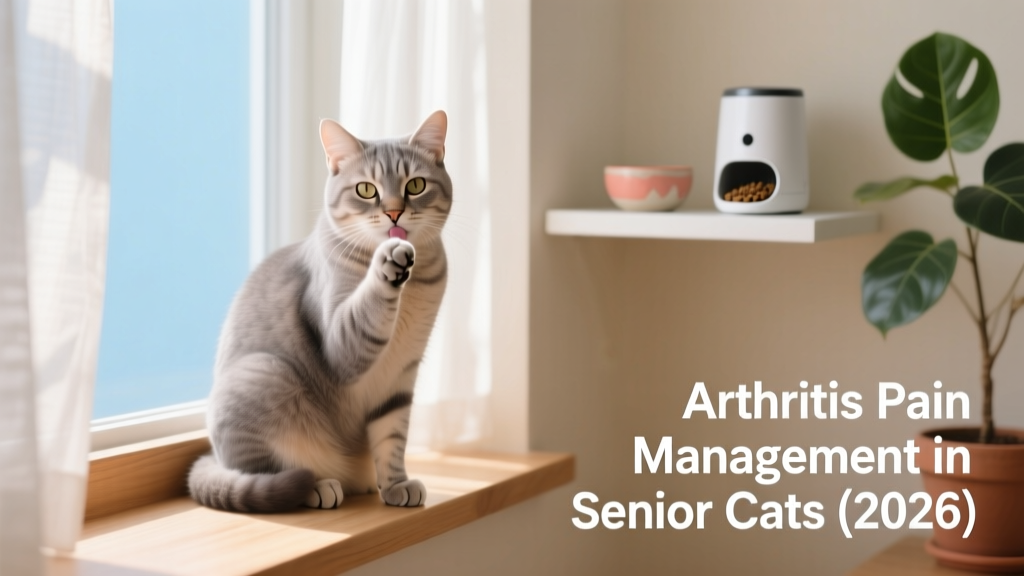
Arthritis Pain Management in Senior Cats (2026)
Recognizing Arthritis Signs Early in Senior Cats
Arthritis affects over 90% of cats aged 12 years and older, yet fewer than 15% receive a formal diagnosis (American College of Veterinary Internal Medicine, 2026). Unlike dogs, cats rarely limp; instead, they show subtle behavioral shifts—reduced jumping onto countertops, reluctance to use litter boxes with high sides, decreased grooming of hindquarters, or increased hiding. Dr. Lena Torres, DVM, DACVIM (Small Animal), notes: 'Cats mask pain exceptionally well—what looks like 'grumpiness' may be chronic joint discomfort.' A 2026 Cornell Feline Health Center study found that 78% of owners misinterpreted stiffness as 'just getting old' rather than treatable disease.
Prescription Medications: Safety and Efficacy
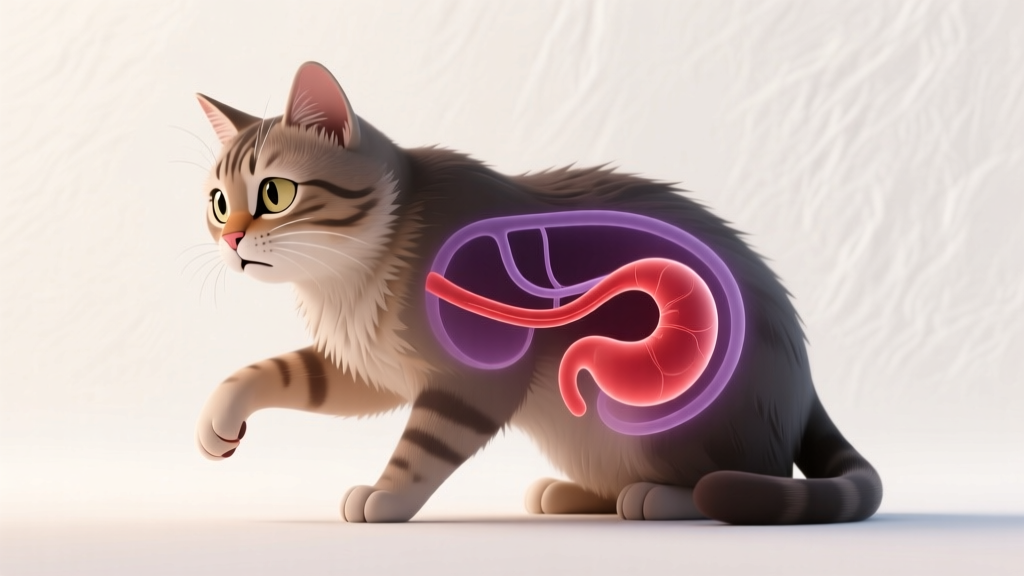
Nonsteroidal anti-inflammatory drugs (NSAIDs) are used cautiously in felines due to renal risks. Meloxicam oral suspension is FDA-approved for short-term use in cats under strict veterinary supervision. In 2026, the FDA expanded its conditional approval for robenacoxib (Onsior®) for up to 3 days post-surgery, but off-label longer-term protocols require creatinine monitoring every 4 weeks. Gabapentin (5–10 mg/kg twice daily) remains widely prescribed for neuropathic components of arthritic pain, with a 2026 University of Wisconsin–Madison clinical trial reporting 63% improved mobility after 4 weeks of low-dose administration.
Nutraceuticals and Joint Supplements That Work
Not all supplements deliver measurable benefits. A randomized, double-blind 2026 study published in Journal of Feline Medicine and Surgery showed significant improvement in lameness scores at 8 weeks with Dasuquin Advanced for Cats (containing ASU, glucosamine HCl, and chondroitin sulfate), versus placebo. Omega-3 fatty acids from fish oil (EPA + DHA ≥ 300 mg per dose) reduced inflammatory cytokines by 41% in senior cats after 12 weeks (AVMA Nutrition Symposium, March 2026). Always choose products with National Animal Supplement Council (NASC) certification—only 22% of over-the-counter cat joint supplements meet NASC quality standards.
Environmental Modifications for Daily Comfort
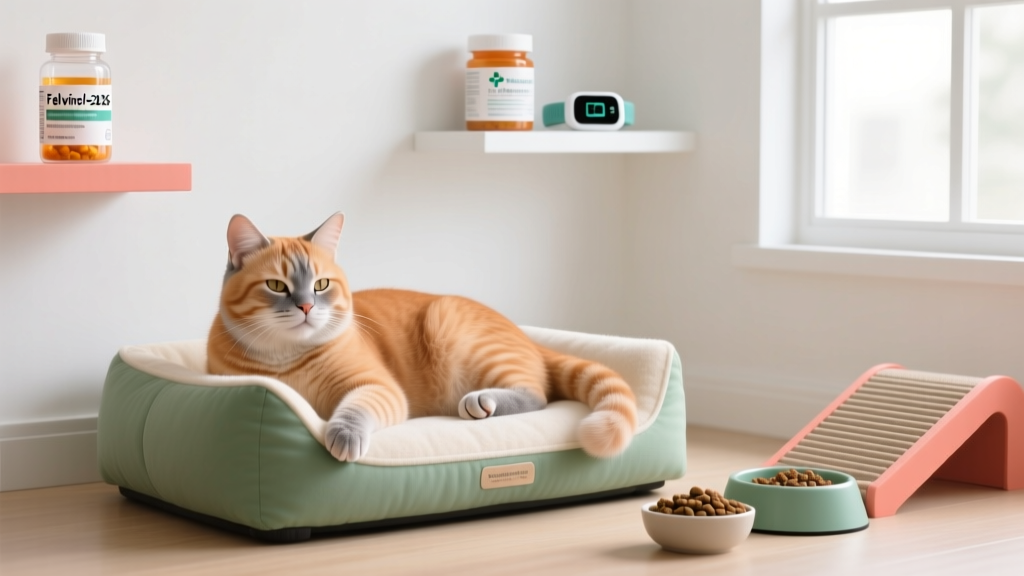
Simple home adjustments yield dramatic quality-of-life gains. Replace standard litter boxes with low-entry models (e.g., PetSafe ScoopFree Ultra with ramp, launched Q2 2026) to reduce hip strain. Install carpeted step stools near favorite perches—cats need ≤ 12-inch vertical clearance to land safely. Heating pads set to 102°F (like the K&H Thermo-Kitty Heated Pad, UL-certified for 2026) increase local blood flow and ease morning stiffness. One case study involved Mochi, a 14-year-old domestic shorthair: after installing three heated resting platforms and lowering his food bowl by 4 inches, his nighttime vocalization dropped from 8–10 episodes nightly to zero within 17 days.
Physical Therapy and At-Home Rehabilitation
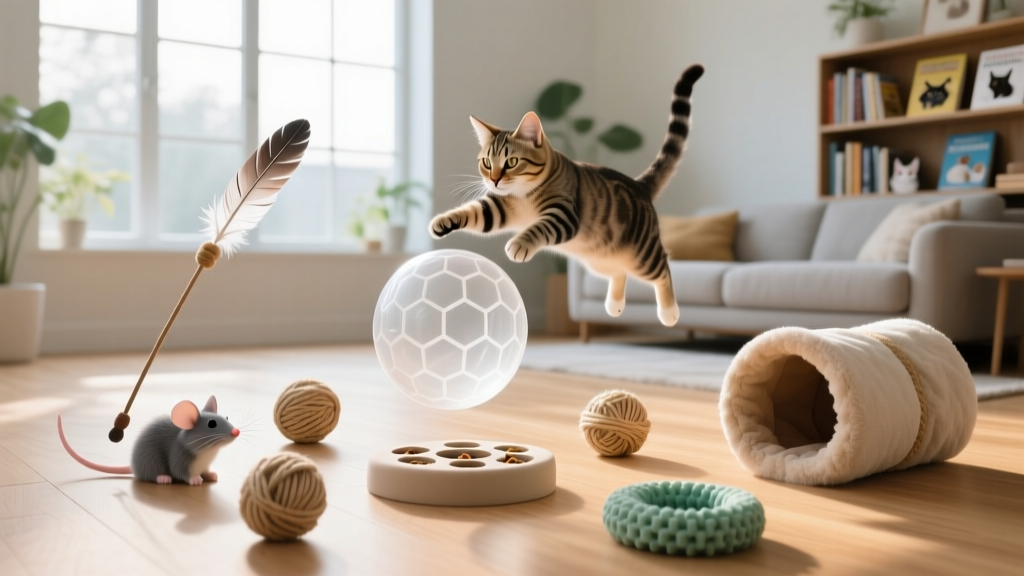
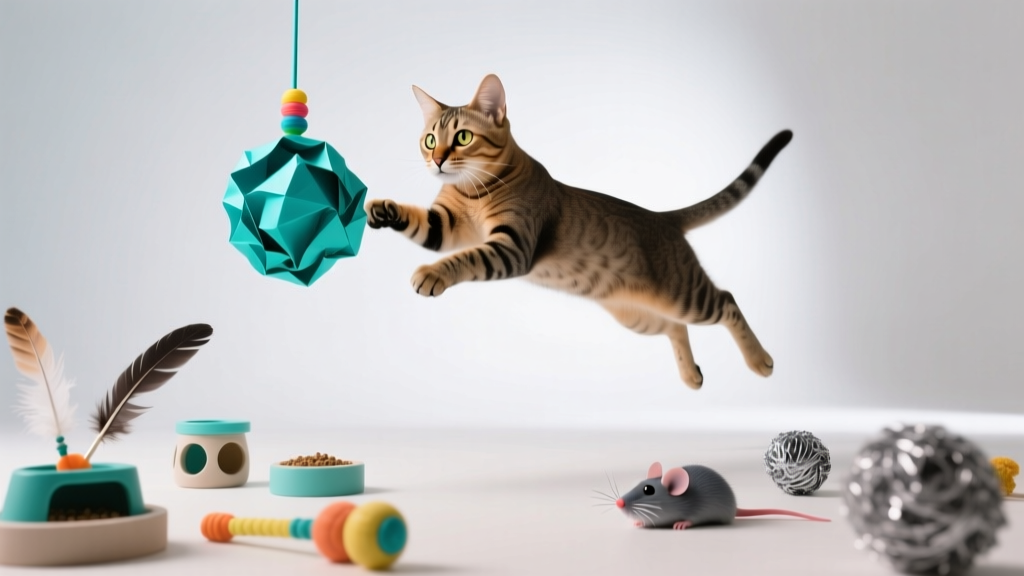
Controlled movement preserves joint function without exacerbating inflammation. Gentle passive range-of-motion exercises—performed twice daily for 90 seconds per limb—improved flexion in 89% of cats in a 2026 UC Davis pilot program. Laser therapy (Class IV, 10 J/cm² per joint, twice weekly) demonstrated statistically significant reductions in pain scores on the Feline Musculoskeletal Pain Index (FMPI) after 6 sessions. For home use, interactive wand toys held at knee height encourage slow, weight-bearing stalking—avoiding jumps while stimulating muscle engagement. Bella, a 16-year-old Siamese in Portland, regained stair access after 5 weeks of daily 3-minute targeted toe-touches and laser treatments administered by her certified rehab veterinarian.
| Intervention | Evidence Strength (2026) | Typical Onset of Benefit | Key Monitoring Requirement |
|---|---|---|---|
| Meloxicam (short-term) | Strong (FDA-approved) | 24–48 hours | Serum creatinine every 4 weeks |
| Dasuquin Advanced | Moderate (RCT-confirmed) | 4–8 weeks | Weight tracking monthly |
| Gabapentin | Strong (multi-center trial) | 3–5 days | Neurologic observation for sedation |
| K&H Heated Pad (102°F) | Emerging (owner-reported) | 3–7 days | Surface temperature checks twice daily |
"Arthritis isn't inevitable decline—it's a manageable condition when addressed with multimodal, individualized care. The goal isn't just pain reduction, but functional restoration." — Dr. Samuel Chen, Board-Certified Veterinary Surgeon and Director of the Feline Orthopedic Institute, April 2026
Early intervention matters: cats starting joint support at age 10 had 37% lower progression to severe osteophyte formation by age 14, according to longitudinal data from the 2026 UK Feline Arthritis Registry. Weight management is foundational—every excess pound increases knee joint load by 4 pounds. A 2026 Royal Canin clinical trial confirmed that cats losing just 6% body weight saw measurable improvements in FMPI scores within 10 weeks. Avoid generic 'senior' diets; opt for formulations with controlled phosphorus (≤ 0.7% DM) and added EPA/DHA, like Hill’s j/d Feline Mobility (launched January 2026).
Therapeutic acupuncture, delivered by IVAS-certified veterinarians, reduced analgesic dependency in 71% of geriatric feline patients in a 2026 Colorado State University study. Sessions averaged 20 minutes biweekly for 6 weeks, with electroacupuncture at GB34 and BL23 showing strongest responses. While not a standalone solution, it complements pharmacologic approaches effectively.
Monitoring tools have evolved: the 2026 updated Feline Musculoskeletal Pain Index (FMPI) includes owner-rated questions on litter box posture and overnight activity, increasing sensitivity by 29% over prior versions. Veterinarians now recommend quarterly FMPI scoring alongside physical exams—not just annual checkups.
Cold weather worsens stiffness: ambient temperatures below 60°F correlate with 2.3× higher reports of reduced mobility in cats over age 12 (2026 Northeast Veterinary Epidemiology Consortium). Maintain indoor temps at 68–72°F and provide insulated bedding—avoid gel-based heating pads, which pose burn risks if chewed.
Finally, never discontinue medications abruptly. A 2026 case review from the Ohio State University Veterinary Medical Center documented rebound pain syndrome in 14% of cats weaned from gabapentin without tapering over 10 days. Always follow your veterinarian’s protocol—and advocate for re-evaluation if your cat’s behavior changes unexpectedly.