Cat Hepatocutaneous Syndrome: Liver and Skin Disease Link
1. Why this topic matters for cat owners
When a cat develops crusty sores, cracked paw pads, or sudden hair loss, it’s natural to assume the problem is “just skin-related.” In reality, some skin conditions are signals of deeper illness. Hepatocutaneous syndrome (also called superficial necrolytic dermatitis) is a rare but serious disorder where liver disease and distinctive skin lesions occur together. Because cats are experts at hiding discomfort, these skin changes may be one of the first signs something bigger is happening internally.
Understanding this condition helps you act sooner, ask the right questions at the veterinary clinic, and make informed decisions about treatment and quality of life. If you notice unusual skin changes—especially on the face, feet, or pressure points—schedule a veterinary exam promptly.
2. Overview: what hepatocutaneous syndrome is (plain-language explanation)
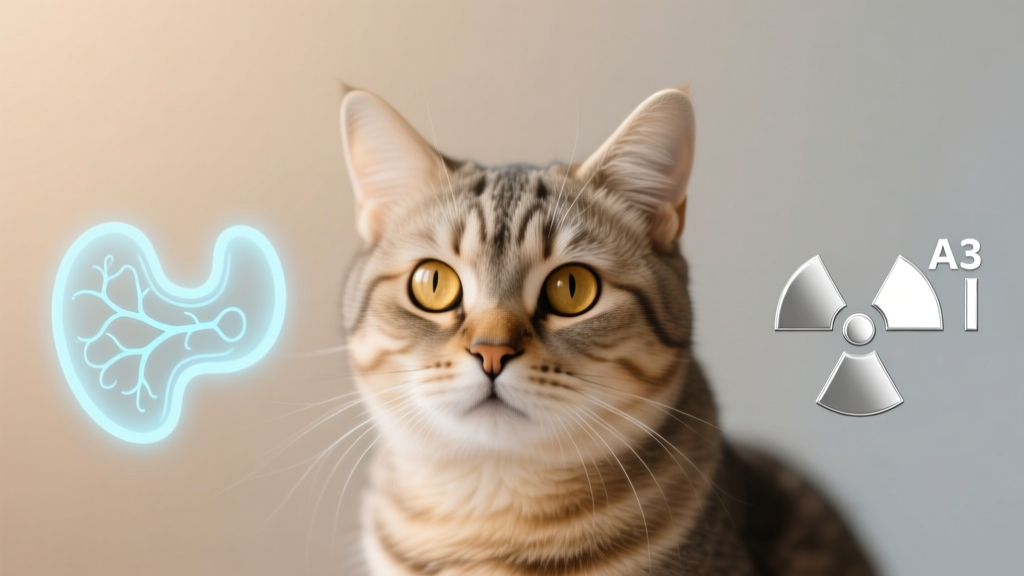
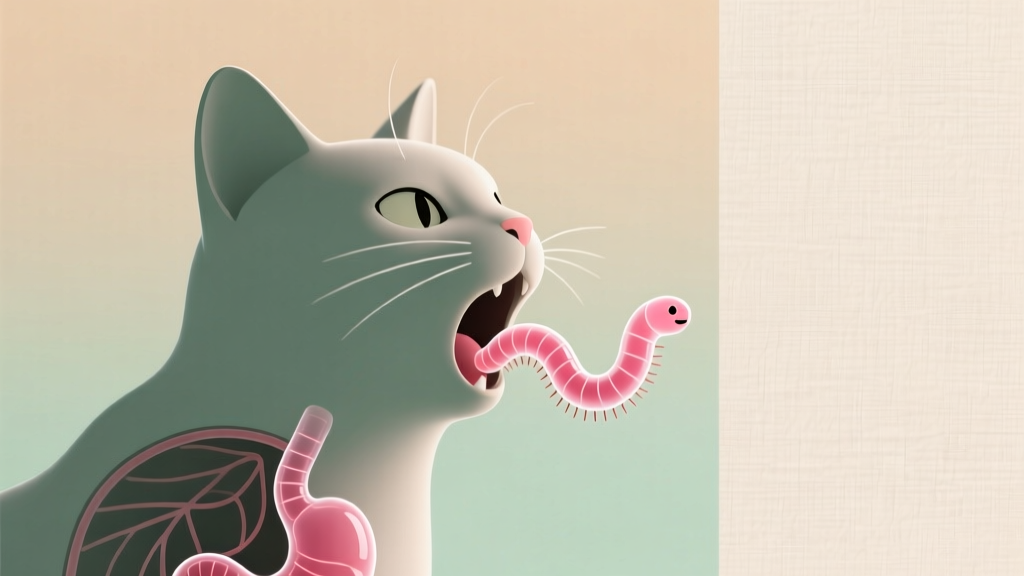
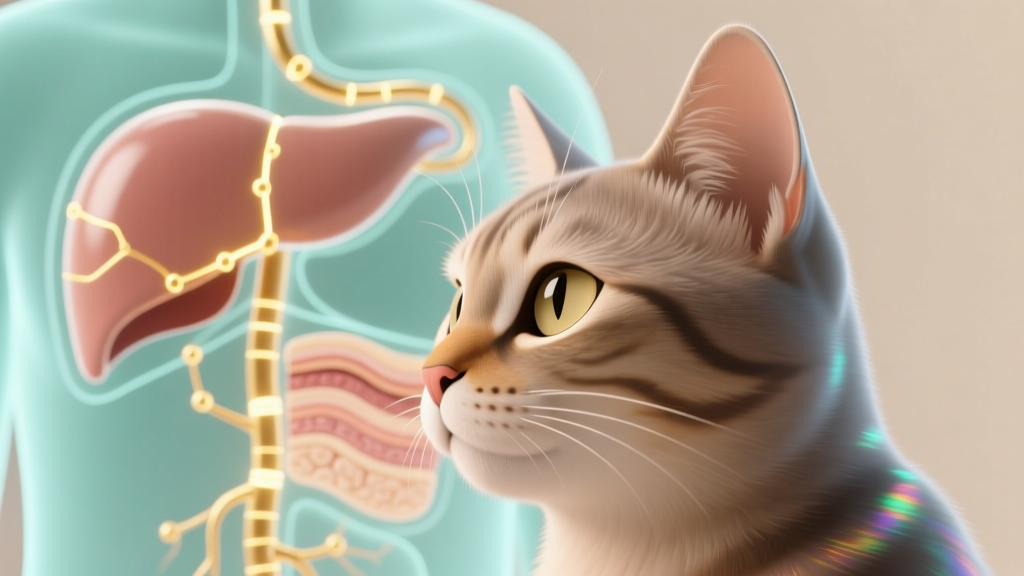
Hepatocutaneous syndrome is a condition where the skin becomes fragile and inflamed due to metabolic imbalances, most often related to severe liver dysfunction. In some cases (more commonly in dogs than cats), it can also be linked to a glucagon-secreting tumor (a type of pancreatic tumor). In cats, advanced liver disease is the most common association.
Here’s the simple “why” behind the skin-liver connection:
- The liver plays a major role in processing nutrients (amino acids/protein building blocks, fats, vitamins, and minerals).
- When the liver is failing or severely damaged, the body may develop low amino acids and other nutrient deficiencies.
- Skin cells need a steady supply of nutrients to grow and repair. Without them, skin becomes thin, cracked, crusty, and prone to infection.
Veterinarians often recognize hepatocutaneous syndrome by a combination of characteristic skin lesions plus bloodwork changes and liver abnormalities on imaging. It’s uncommon in cats, but it’s important because it usually indicates serious underlying disease that needs immediate veterinary care.
3. Symptoms and warning signs to watch for
Signs can come on gradually or appear to “flare” and then worsen. Cats may also show subtle behavior changes before obvious skin lesions appear.
Common skin and coat signs
- Crusts, scabs, or thickened plaques (often on the face, ears, elbows, hocks, groin, or around the mouth)
- Hair loss (patchy or diffuse), a dull coat, or poor grooming
- Redness, oozing, or sores that don’t heal well
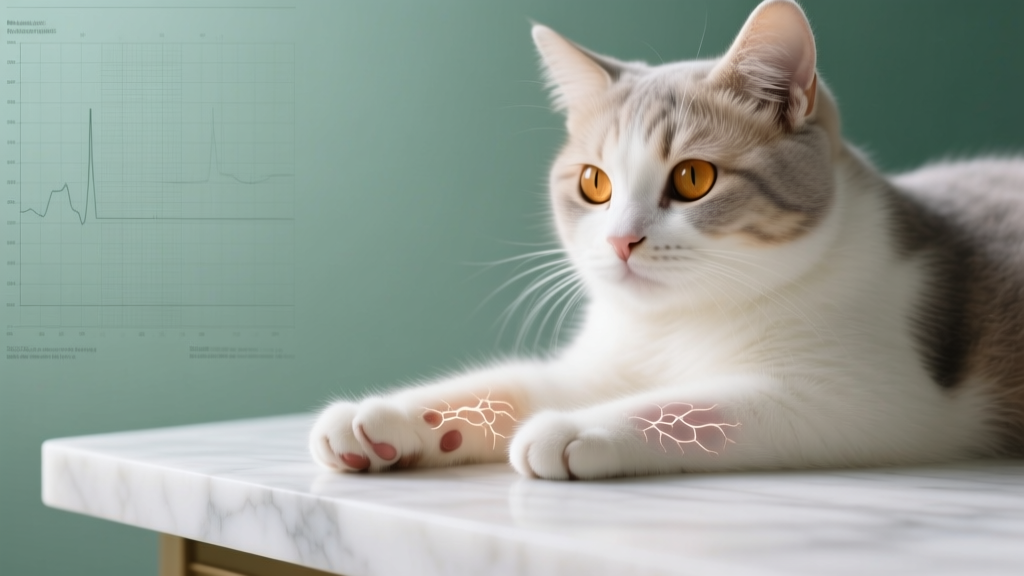
- Cracked paw pads, painful feet, or reluctance to walk/jump
- Secondary infections (yeast/bacterial) causing odor, discharge, or increased itch
Whole-body signs that can accompany the skin changes
- Decreased appetite or picky eating
- Weight loss and muscle wasting
- Lethargy or hiding more than usual
- Increased thirst/urination in some cats
- Vomiting or diarrhea
- Jaundice (yellow tint to gums/eyes/skin) in some liver cases
Practical “at-home” checks you can do today
- Look at your cat’s paw pads weekly for cracking, crusting, or tenderness.
- Check the corners of the mouth, nose, ears, and pressure points for new scabs or redness.
- Track appetite and weight. If possible, weigh your cat every 2–4 weeks.
- Take clear photos of skin changes to show your veterinarian (helps monitor progression).
4. Causes and risk factors
Hepatocutaneous syndrome is considered a metabolic skin disorder—the skin lesions are driven by internal imbalance rather than a primary skin allergy alone.
Underlying causes seen in cats
- Severe chronic liver disease (including cirrhosis-like changes or chronic hepatitis)
- Liver tumors or diffuse liver injury
- Metabolic disruption leading to low amino acids (protein building blocks needed for skin repair)
Other contributors veterinarians may evaluate
- Diabetes mellitus or other endocrine disorders (less commonly linked in cats than in dogs)
- Pancreatic tumors (rare in cats; still part of a full workup in some cases)
- Malnutrition or malabsorption (poor protein intake/absorption can worsen skin healing)
Risk factors
- Middle-aged to older cats (most cases are not in kittens)
- Cats with a history of chronic GI issues, persistent weight loss, or prior liver enzyme elevations
- Cats on long-term medications that require liver monitoring (your vet will advise if this applies)
If your cat has ongoing digestive issues, unexplained weight loss, or repeated “skin infections,” ask your veterinarian whether screening bloodwork is appropriate.
5. Diagnosis: what to expect at the vet
Because hepatocutaneous syndrome is rare, diagnosis usually involves several steps. Your veterinarian’s goal is to confirm the skin pattern, identify underlying liver disease, and rule out more common causes of crusting (allergies, parasites, fungal infection, autoimmune disease).
Typical diagnostic steps
- Full physical exam and detailed history (diet, appetite, weight changes, medications)
- Skin tests:
- Skin cytology (tape/impression smears) to look for bacteria/yeast
- Skin scraping to check for mites
- Fungal testing if ringworm is suspected
- Bloodwork:
- CBC (checks for anemia/infection/inflammation)
- Chemistry panel (liver enzymes, bilirubin, albumin/protein, glucose, kidney values)
- Electrolytes and cholesterol as needed
- In some cases, bile acids or ammonia-related testing to assess liver function
- Urinalysis (helps evaluate overall health and hydration; may provide clues about metabolic disease)
- Imaging:
- Abdominal ultrasound to evaluate liver structure, blood flow patterns, and look for masses
- Skin biopsy (often the key test):
- A small sample is taken (usually with local anesthesia and sometimes light sedation)
- The pathologist looks for a classic pattern consistent with hepatocutaneous syndrome
- Liver sampling (recommended in many cases):
- Fine needle aspirate or biopsy may be advised to define the liver disease and guide treatment
How to prepare for the appointment
- Bring a list of foods, treats, supplements, and medications.
- Bring photos and a timeline of when lesions started and how they changed.
- Ask if your cat should be fasted in case sedation/ultrasound is needed.
6. Treatment options (medical, surgical, home care)
Treatment focuses on two things: supporting the underlying metabolic/liver problem and healing/controlling the skin lesions. Because the underlying disease is often advanced, therapy is usually long-term and requires rechecks.
Medical treatment your veterinarian may recommend
- Nutrition and amino acid support:
- High-quality, veterinarian-recommended diet tailored to your cat’s liver status
- Some cats benefit from amino acid supplementation or specialized nutritional support (your vet will guide this)
- Liver-support medications/supplements (case-dependent):
- Medications to reduce nausea and improve appetite
- Liver protectants and antioxidants (only under veterinary direction; not all supplements are safe for cats)
- Vitamin and mineral support if deficiencies are found
- Treating secondary skin infection:
- Antibiotics or antifungals if bacterial/yeast overgrowth is confirmed
- Topical therapies for localized lesions when appropriate
- Pain control:
- Paw pad cracks and erosions can be painful; safe pain relief should be prescribed by your vet
Surgical or advanced options
- If a specific mass or tumor is identified (liver or pancreatic), your veterinarian may discuss surgery or referral to a specialist.
- Referral to an internal medicine specialist or veterinary dermatologist may improve diagnostic accuracy and treatment planning.
Home care that makes a real difference
- Give medications exactly as prescribed and report side effects quickly (vomiting, extreme lethargy, appetite drop).
- Prevent licking/chewing of lesions when needed (an e-collar or recovery suit may be recommended).
- Gentle paw care:
- Keep litter clean and dry; consider a dust-free, low-irritant litter
- Ask your vet before using balms—some products are unsafe if licked
- Support eating:
- Warm food slightly to enhance aroma
- Offer small, frequent meals
- Use only vet-approved appetite stimulants or prescription diets
- Reduce stress with a quiet recovery space, predictable routines, and easy access to food/water/litter.
Never give human medications or over-the-counter skin creams without veterinary approval—cats can be very sensitive to common ingredients.
7. Prevention strategies and early detection tips
Because hepatocutaneous syndrome is usually tied to serious internal disease, prevention is less about avoiding a single trigger and more about catching liver or metabolic disease early.
- Schedule regular wellness exams (at least annually; twice yearly for seniors).
- Consider routine bloodwork:
- Adult cats: every 1–2 years (or as advised)
- Senior cats: often yearly or every 6–12 months
- Act early on subtle signs:
- Slow weight loss
- Reduced appetite
- Less grooming or changes in coat texture
- Feed a balanced, complete diet and avoid frequent diet hopping unless advised for medical reasons.
- Use parasite prevention recommended by your veterinarian (skin disease can be complicated by fleas/mites).
If your cat has recurring crusting, repeated ear/skin infections, or poor healing, ask your veterinarian whether a broader internal workup is warranted.
8. Prognosis and quality of life considerations
The prognosis for hepatocutaneous syndrome in cats is often guarded because it commonly reflects advanced liver dysfunction. Some cats experience short-term improvement in skin lesions with aggressive nutritional and medical support, but relapses can occur if the underlying disease progresses.
Quality of life can be supported by focusing on:
- Comfort: controlling pain, itch, and secondary infections
- Nutrition: maintaining calorie intake and addressing deficiencies
- Mobility: protecting painful paws and providing soft bedding and low-entry litter boxes
- Monitoring: regular rechecks for weight, appetite, bloodwork trends, and skin status
If your cat is diagnosed, ask your veterinarian to outline a recheck schedule and clear goals (for example: improved appetite, less paw pain, healing of erosions, stable liver values). This can make the path forward feel more manageable.
9. When to seek emergency veterinary care
Contact an emergency veterinarian or urgent care clinic if you notice any of the following:
- Not eating for 24 hours (or markedly reduced intake in a cat that is already ill)
- Rapid worsening of skin lesions, widespread oozing, or signs of severe pain
- Bleeding lesions that won’t stop, or sudden extensive swelling/redness
- Profound lethargy, collapse, or weakness
- Repeated vomiting or inability to keep water down
- Yellow gums/eyes (possible jaundice)
- Labored breathing or open-mouth breathing
If you’re unsure whether it’s an emergency, it’s appropriate to call a veterinary clinic and describe what you’re seeing. Getting guidance early is safer than waiting.
10. FAQ: common questions from cat owners
Is hepatocutaneous syndrome contagious to other cats or people?
No. Hepatocutaneous syndrome itself is not contagious. Some cats may develop secondary bacterial or yeast infections on the skin, but the underlying syndrome is a metabolic/internal disease process, not something that spreads between pets.
Can a food allergy cause the same symptoms?
Food allergies can cause itching, ear problems, and skin inflammation, but the specific combination of severe crusting/erosions, paw pad issues, and evidence of significant liver/metabolic abnormalities is more suggestive of hepatocutaneous syndrome. Your veterinarian may still rule out allergies and parasites during the workup.
Will my cat’s skin heal if the liver problem is treated?
Skin lesions may improve when the underlying metabolic imbalance is supported and secondary infections are controlled. The degree of improvement depends on the severity and treatability of the liver disease. Many cats need ongoing management and monitoring.
Does my cat need a skin biopsy?
Often, yes. Because many skin diseases look similar at home, a biopsy can provide a clear diagnosis and prevent trial-and-error treatments. Your veterinarian will explain sedation options and aftercare, and many cats recover quickly from the procedure.
What can I do at home while waiting for the vet appointment?
- Keep your cat indoors and comfortable.
- Prevent licking/chewing sores if possible (use an e-collar only if your cat tolerates it safely).
- Do not apply human ointments or essential oils.
- Offer palatable food and fresh water; note appetite and litter box habits.
- Take photos of lesions daily or every few days to document changes.
Is hepatocutaneous syndrome curable?
It depends on the underlying cause. If a treatable condition is found and addressed early, some cats can improve. When the syndrome is due to advanced, irreversible liver disease, treatment is often aimed at supportive care and comfort. Your veterinarian can help you understand what’s realistic for your cat’s specific case.
If your cat has suspicious skin lesions—especially crusting on the face or painful, cracked paw pads—schedule a veterinary visit as soon as you can. Early evaluation gives your cat the best chance for effective treatment and a better quality of life.
For more caring, vet-informed cat health guides and tips, visit catloversbase.com.