Feline Diabetes: Early Warning Signs to Watch
Why Early Detection Matters
Feline diabetes mellitus affects an estimated 1 in 230 cats globally, with incidence rising 18% annually (Journal of Feline Medicine and Surgery, 2023). Unlike dogs, cats often develop type II diabetes—and up to 60% achieve diabetic remission when diagnosed and treated within the first 4 weeks of symptom onset (American Animal Hospital Association, 2022).
Top 5 Early Warning Signs
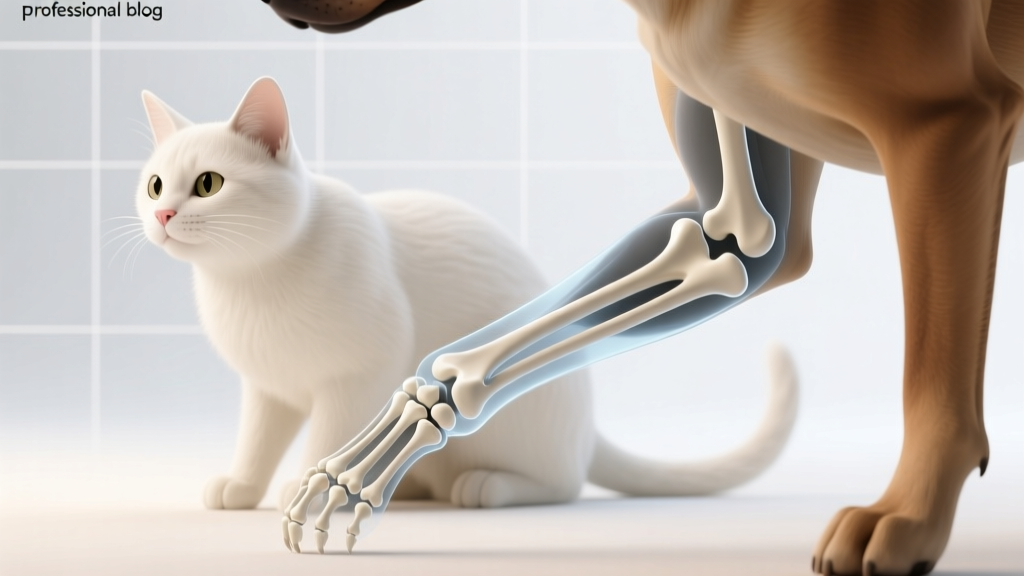
Watch for these subtle but critical changes—especially in cats aged 7+ or overweight individuals. Increased thirst (polydipsia) and frequent urination (polyuria) are the most common initial signs. Weight loss despite normal or increased appetite occurs in 87% of newly diagnosed cases. Lethargy and poor coat condition often follow within 1–2 weeks. A less recognized sign is plantar neuropathy: hind limb weakness causing a 'walking on hocks' gait.
When to Call Your Vet Immediately
Contact your veterinarian the same day if your cat shows vomiting, dehydration (skin tenting >2 seconds), disorientation, or acetone-smelling breath—a sign of diabetic ketoacidosis (DKA). DKA develops in 12–15% of untreated diabetic cats and carries a 25% mortality rate without hospitalization (Cornell Feline Health Center, 2024).
Veterinary Diagnostic Protocol
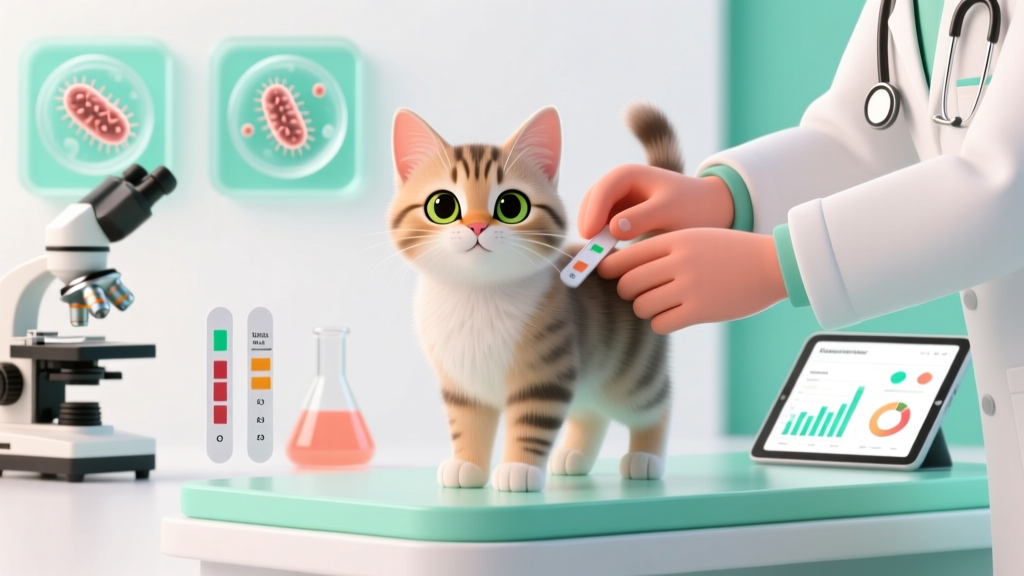
Diagnosis requires more than a single blood glucose test. Vets use fructosamine (reflects average glucose over 2–3 weeks) and urine glucose/ketone strips. A fasting blood glucose ≥250 mg/dL *plus* persistent glycosuria confirms diagnosis. The IDEXX SNAP feline GH test (released March 2023) helps differentiate stress-induced hyperglycemia from true diabetes in anxious cats.
Prevention & Senior Cat Monitoring
Maintain ideal body condition score (BCS 4–5/9) through portion-controlled, low-carbohydrate diets like Purina Pro Plan Veterinary Diets DM (carbohydrate content: 8% ME). Schedule biannual wellness exams starting at age 7—including weight, BCS, and urine dipstick screening. In a 2023 study of 1,240 senior cats, those with annual urine glucose checks were diagnosed 3.2 months earlier on average than cats without routine screening.
Real-world scenario #1: Luna, a 10-year-old domestic shorthair, began drinking from the bathroom faucet daily. Her owner noted 1.3 lbs weight loss over 3 weeks—despite eating 20% more food. Urinalysis revealed 3+ glucose; fructosamine was 520 µmol/L (normal: 190–360). She started insulin glargine and entered remission after 8 weeks.
Real-world scenario #2: Max, an 8-year-old neutered male, developed dragging hind paws while walking. His vet identified plantar neuropathy and confirmed diabetes with a blood glucose of 412 mg/dL and urine ketones 1+. He required hospitalization for IV fluids and insulin before transitioning home.
Do not delay care: Untreated diabetes can lead to urinary tract infections (present in 34% of diabetic cats per 2022 ACVIM Consensus Statement), kidney damage, or fatal DKA. Never administer human diabetes medications—some, like sulfonylureas, cause life-threatening hypoglycemia in cats.
Early intervention improves outcomes dramatically. A 2024 retrospective analysis of 892 diabetic cats found that initiation of insulin therapy within 7 days of symptom onset correlated with 4.7× higher remission odds versus delayed treatment (>14 days).
| Symptom | Typical Onset | Clinical Significance |
|---|---|---|
| Polydipsia (>60 mL/kg/day) | Days to 2 weeks | Often first observable sign; triggers polyuria |
| Weight loss (>10% body mass) | 2–4 weeks | Occurs despite normal/high appetite in 87% of cases |
| Hind limb weakness | 3–6 weeks | Indicates peripheral neuropathy; reversible with glucose control |
| Vomiting + lethargy | Acute (hours) | Red flag for DKA—requires ER visit |
| Acetone breath odor | Acute (hours) | Strong indicator of ketosis; test urine for ketones immediately |