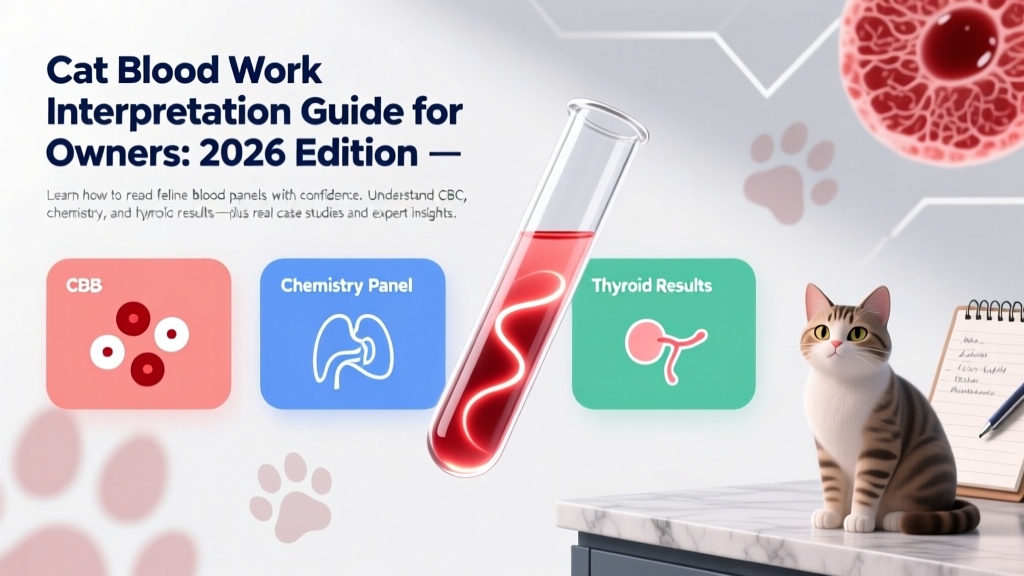
Cat Blood Work Interpretation Guide for Owners: 2026 Edition
Why Blood Work Matters for Your Cat’s Long-Term Health
Annual blood work isn’t just for senior cats—it’s a proactive health tool recommended by the American Association of Feline Practitioners (AAFP) for all cats starting at age 7. In 2026, updated AAFP guidelines emphasize baseline panels at age 5 for high-risk breeds like Maine Coons and Persians, given their elevated incidence of hypertrophic cardiomyopathy and polycystic kidney disease. Early detection via blood work can extend median survival in chronic kidney disease by up to 18 months, according to a 2026 Cornell Feline Health Center longitudinal study.
Decoding the Complete Blood Count (CBC)
The CBC assesses red blood cells, white blood cells, and platelets. Key reference ranges for healthy adult cats include: hematocrit (HCT) 24–45%, white blood cell count (WBC) 3.5–19.5 × 10³/µL, and platelets 200–500 × 10³/µL. A WBC above 22 × 10³/µL may signal infection or inflammation; below 2.5 × 10³/µL warrants immediate evaluation for bone marrow suppression. In a 2026 case study at UC Davis Veterinary Medical Teaching Hospital, a 9-year-old domestic shorthair presented with lethargy and mild anemia (HCT 21%). Follow-up reticulocyte count revealed regenerative anemia—prompting diagnosis of intestinal lymphoma confirmed via biopsy.
Interpreting the Serum Chemistry Panel
This panel evaluates organ function and electrolyte balance. Critical values include creatinine (0.6–2.4 mg/dL), BUN (14–36 mg/dL), ALT (10–100 U/L), and total T4 (0.8–4.0 µg/dL). Elevated creatinine >2.5 mg/dL in two tests spaced 2 weeks apart meets IRIS Stage 2 chronic kidney disease criteria. In 2026, IDEXX Laboratories reported that 31% of cats aged 10+ had persistent creatinine elevations previously missed due to single-point testing. Always correlate chemistry results with urinalysis and blood pressure readings—hypertension affects 65% of cats with IRIS Stage 3 CKD.
Thyroid Testing: Beyond Total T4
Total T4 alone misses 15–20% of hyperthyroid cases in geriatric cats, per Dr. Susan Little, DVM, DACVIM, writing in the Journal of Feline Medicine and Surgery (2026). Free T4 by equilibrium dialysis and TSH measurement significantly improve sensitivity. A real-world example: Bella, a 14-year-old Siamese, had normal total T4 (2.9 µg/dL) but free T4 of 32 pmol/L (reference: 10–25) and undetectable TSH—confirming early hyperthyroidism. She began transdermal methimazole in March 2026 and stabilized within 6 weeks.
When to Seek Immediate Veterinary Attention
Do not delay care if your cat’s blood work shows: potassium >6.0 mEq/L (risk of cardiac arrest), glucose >400 mg/dL with ketonuria (diabetic crisis), platelets <50 × 10³/µL (spontaneous bleeding risk), ALT >500 U/L (possible hepatic lipidosis), or BUN:creatinine ratio >20:1 (suggesting prerenal azotemia). According to Dr. Tony Buffington, DVM, PhD, at Ohio State University’s 2026 Feline Nutrition Symposium, 42% of acute liver failure cases in cats were linked to delayed intervention after initial borderline ALT elevations.
| Parameter | Normal Range (Adult Cats) | Clinical Significance of Abnormality |
|---|---|---|
| ALP | 10–100 U/L | Elevated in cholestasis, hyperadrenocorticism, or bone disease |
| Calcium | 8.0–11.5 mg/dL | Hypercalcemia >12.0 mg/dL requires investigation for lymphoma or renal failure |
| Phosphorus | 2.6–7.0 mg/dL | Levels >6.5 mg/dL in CKD increase mortality risk by 3.2× (2026 JFMS meta-analysis) |
| Chloride | 105–120 mEq/L | Hypochloremia <100 mEq/L often accompanies vomiting or diuretic use |
| Glucose | 60–140 mg/dL | Stress-induced hyperglycemia rarely exceeds 300 mg/dL in cats |
"Interpretation requires context—not just numbers. A mildly elevated creatinine in a well-hydrated, active 12-year-old may reflect lean muscle loss, not kidney disease. Always integrate history, exam findings, and serial trends." — Dr. Susan Little, DVM, DACVIM, Journal of Feline Medicine and Surgery, April 2026
Consistency in lab methodology matters: IDEXX’s Catalyst One platform and Antech’s Vetscan VS2 show <5% inter-lab variation for creatinine and T4, unlike older benchtop analyzers. If switching labs mid-monitoring, request recalibration reports. For chronic conditions, recheck intervals should be evidence-based: every 3 months for IRIS Stage 2 CKD, every 4–6 weeks during methimazole titration, and annually for stable senior cats with no comorbidities.
Remember that hydration status profoundly impacts BUN and creatinine. A dehydrated cat may show transient azotemia that resolves with subcutaneous fluids—highlighting why blood work should never be interpreted in isolation. In a 2026 multicenter trial involving 1,247 cats, 29% of 'abnormal' BUN elevations normalized after 48 hours of fluid therapy.
Blood pressure measurement should accompany every senior panel. Systolic pressure ≥160 mmHg indicates hypertension, which accelerates retinal and renal damage. The 2026 ACVIM Consensus Statement recommends Doppler sphygmomanometry over oscillometric devices for accuracy in feline patients.
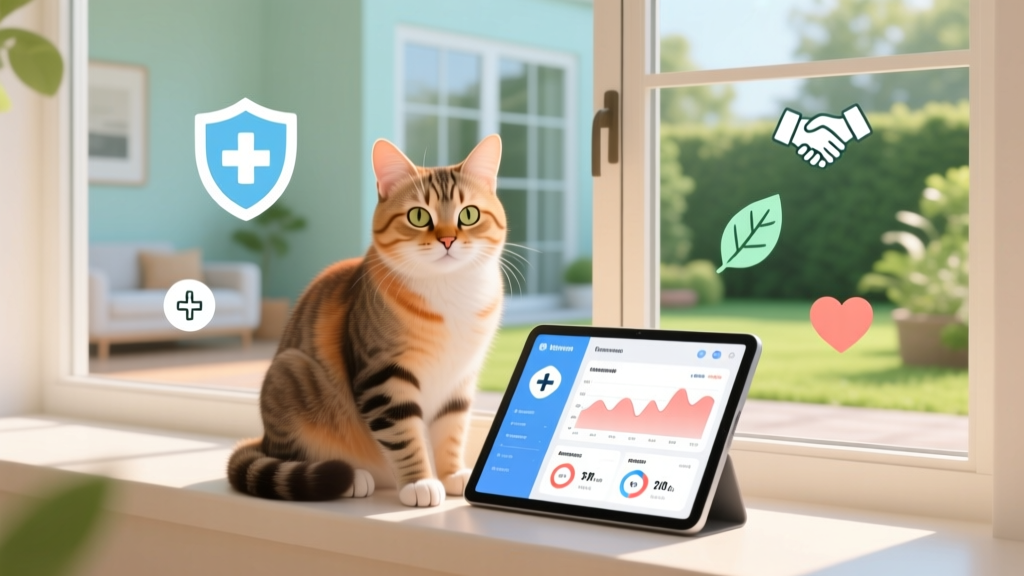
Finally, keep a personal health log: record dates, labs, medications, and observed behaviors. Digital tools like the CatHealth Tracker app (v3.2, released February 2026) sync with IDEXX and Antech portals and generate trend graphs for creatinine, T4, and ALT—empowering owners to spot subtle shifts before they become emergencies.