Cat Eye Discharge: Causes, Signs, and When to Call the Vet
Normal vs. Abnormal Eye Discharge
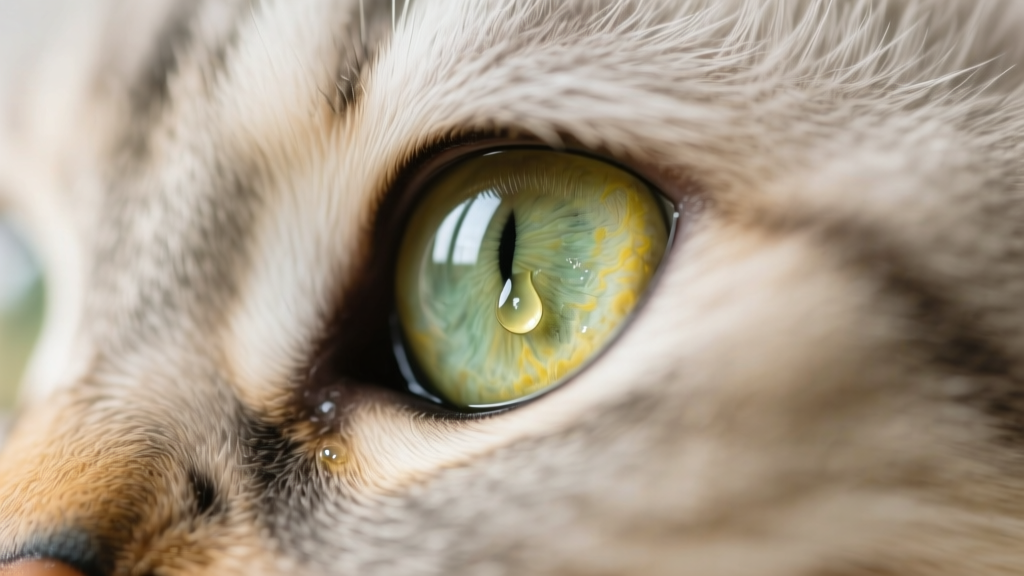
Clear, minimal tear film is normal in cats—especially after napping or in dry environments. However, persistent discharge lasting >24 hours, or any discharge accompanied by squinting, redness, or pawing at the eye, warrants attention. According to the American Association of Feline Practitioners (AAFP) 2023 Feline Health Guidelines, up to 70% of cats with conjunctivitis show unilateral discharge initially, often progressing to bilateral involvement within 48–72 hours.
Infectious Causes: Viruses and Bacteria
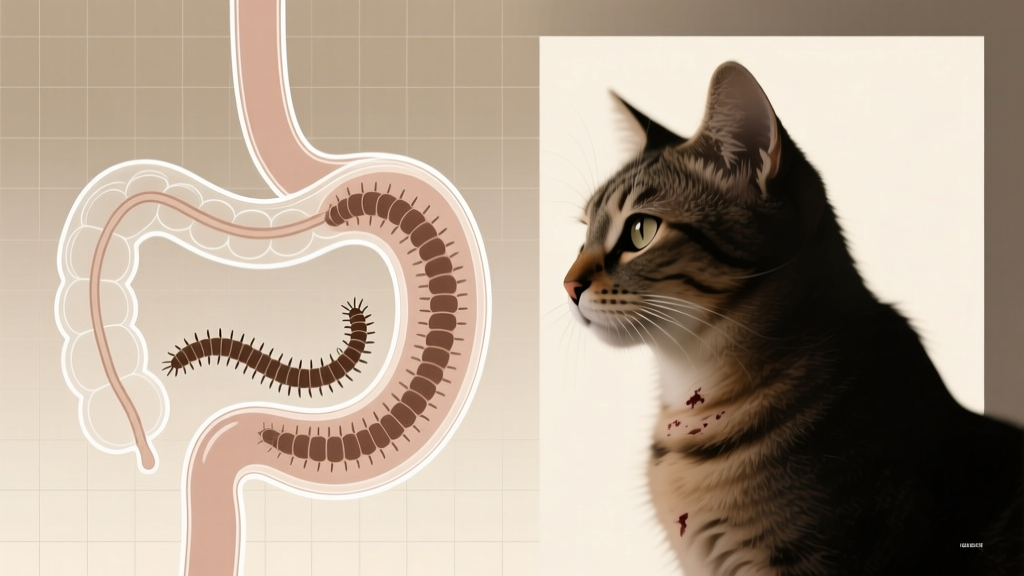
Feline herpesvirus-1 (FHV-1) is responsible for ~80% of chronic upper respiratory and ocular disease cases in shelter cats (Journal of Feline Medicine and Surgery, 2022). Secondary bacterial infections—including Chlamydia felis and Mycoplasma felis—often follow, producing thick yellow-green discharge. A 2021 Cornell University study found that 63% of cats with purulent discharge tested positive for Chlamydia felis via PCR swab.
Anatomical and Environmental Triggers
Breeds with flat faces—like Persians and Himalayans—are predisposed to epiphora (excessive tearing) due to nasolacrimal duct obstruction. A 2020 UC Davis Veterinary Ophthalmology survey documented duct stenosis in 41% of brachycephalic cats under age 5. Dust, smoke, pollen, and household cleaners (e.g., Clorox Disinfecting Wipes) can also irritate the conjunctiva, triggering transient watery discharge.
Serious Conditions Requiring Urgent Care
Corneal ulcers, glaucoma, and uveitis demand immediate veterinary evaluation. Glaucoma affects ~1.5% of senior cats over age 12 (AVMA 2023 Small Animal Health Report), and intraocular pressure exceeding 25 mmHg signals acute risk. A real-world case involved Luna, a 14-year-old Siamese, who developed unilateral cloudy cornea and fixed mid-sized pupil; diagnosis revealed anterior uveitis secondary to lymphoma—detected only after urgent referral and aqueous tap.
Home Monitoring and Emergency Red Flags
Track discharge color, frequency, and associated behaviors using a simple log. Note if discharge is sticky (suggesting infection), bloody (possible trauma or clotting disorder), or accompanied by lethargy or appetite loss. Real-world example: Oliver, a 3-year-old domestic shorthair, developed left-eye mucopurulent discharge and sneezing after boarding; prompt PCR testing confirmed FHV-1 reactivation, and treatment with famciclovir (40 mg/kg BID) resolved symptoms in 5 days. Seek emergency care if discharge appears with third eyelid protrusion, severe squinting, or vision loss—these indicate potential corneal rupture or neurological involvement.
| Discharge Type | Possible Cause | Action Timeline |
|---|---|---|
| Clear & Watery | Allergies, mild irritation | Monitor 24–48 hrs |
| Yellow-Green & Thick | Bacterial infection (e.g., Chlamydia felis) | Vet visit within 24 hrs |
| Bloody or Rust-Colored | Trauma, coagulopathy, neoplasia | Emergency care immediately |
| Cloudy or Grayish | Corneal ulcer, glaucoma, uveitis | Same-day vet referral |
Prevention includes annual wellness exams, keeping vaccinations current (especially FVRCP, updated per AAFP 2023 core vaccine guidelines), and avoiding shared litter boxes during outbreaks. Senior cats benefit from biannual ophthalmic screening—studies show early detection of glaucoma improves treatment success by 68% (2022 ACVO Consensus Statement).
Never use human eye drops (e.g., Visine) or leftover antibiotics on cats. These can worsen conditions or cause toxicity. Instead, gently wipe away debris with sterile saline (e.g., Vetericyn Plus Ophthalmic Gel, FDA-cleared in March 2021) and consult your veterinarian before applying anything topical.
Early intervention prevents complications like corneal scarring or blindness. If your cat’s eye discharge persists beyond 24 hours—or appears with systemic signs like fever (>103.5°F), nasal discharge, or hiding behavior—schedule a vet appointment without delay.