Cat Eosinophilic Bronchopneumopathy: Lung Inflammation
1. Introduction: Why this topic matters for cat owners
When a cat starts coughing, wheezing, or breathing faster than usual, it’s easy to assume it’s a hairball or a mild cold. Sometimes it is. But ongoing respiratory symptoms can also point to deeper inflammation in the lungs and airways. One condition that can cause this is eosinophilic bronchopneumopathy—an inflammatory lung disease where a specific type of white blood cell (an eosinophil) gathers in the airways and lung tissue.
This topic matters because cats are good at hiding illness, and breathing problems can quietly worsen over time. The good news: many cats respond very well to treatment once properly diagnosed. Understanding the signs, testing process, and long-term care can help you protect your cat’s comfort and quality of life.
2. Overview: What is eosinophilic bronchopneumopathy?
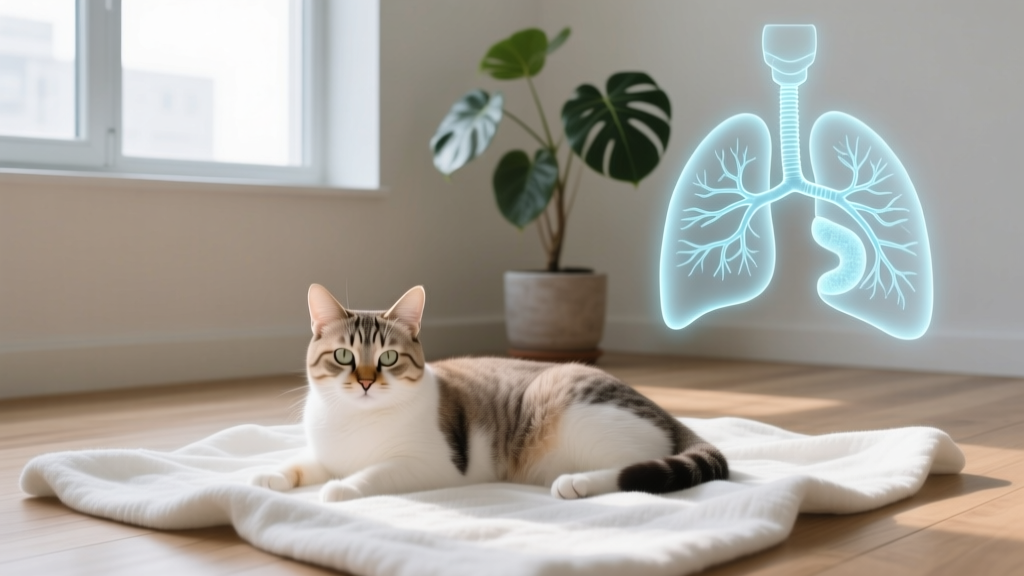
Eosinophilic bronchopneumopathy (often shortened to “eosinophilic lung disease”) is a condition where the lungs and bronchial tubes become inflamed due to an overactive immune response. The hallmark is an increased number of eosinophils—immune cells involved in allergic reactions and responses to parasites—within the airways and/or lung tissue.
In plain language, think of it like this:
- Your cat’s immune system becomes “on high alert.”
- Eosinophils move into the lungs and airways.
- The lining of the breathing tubes swells and produces extra mucus.
- Airflow becomes restricted, leading to cough, wheeze, or labored breathing.
Eosinophilic bronchopneumopathy is sometimes discussed alongside feline asthma because both can involve airway inflammation and breathing difficulty. They can look very similar at home. The difference is that eosinophilic bronchopneumopathy is defined by eosinophil-rich inflammation and may be more strongly tied to allergic triggers, parasites, or other underlying causes.
3. Symptoms and warning signs to watch for
Some cats show obvious breathing trouble; others have mild signs that come and go. Contact your veterinarian if you notice any of the following, especially if symptoms last more than a day or two or keep recurring.
Common signs
- Coughing (dry or moist-sounding). Some owners mistake it for gagging up a hairball.
- Wheezing or a whistling sound when breathing.
- Fast breathing rate, even at rest.
- Increased effort to breathe (you may see the belly pushing harder).
- Exercise intolerance or reduced playfulness.
- Lethargy and sleeping more than usual.
Other possible signs
- Open-mouth breathing (always concerning in cats)
- Blue/gray gums or tongue (cyanosis)
- Decreased appetite or weight loss in chronic cases
- Nasal discharge (less common, but possible if multiple respiratory issues overlap)
Quick at-home check you can do today
- Count your cat’s resting respiratory rate when asleep or calm. Count breaths for 30 seconds and multiply by 2.
- Many healthy resting cats breathe around 15–30 breaths per minute. Consistently above 40 at rest is a reason to call your vet promptly.
4. Causes and risk factors
Eosinophilic bronchopneumopathy can be triggered by several factors. Sometimes the exact cause isn’t found, but veterinarians aim to rule out treatable contributors.
Potential causes and triggers
- Allergens: inhaled triggers such as dust, smoke, aerosol sprays, perfumes, pollen, mold, or certain cat litters.
- Parasites: lungworms or parasites that migrate through the lungs can stimulate eosinophils.
- Hypersensitivity reactions: an exaggerated immune response to an unknown stimulus.
- Secondary infections: bacteria may complicate inflamed airways, though infection may not be the primary cause.
Risk factors
- Outdoor access (greater exposure to parasites and environmental triggers)
- Multi-cat households with shared litter boxes (increased parasite exposure risk)
- Exposure to smoke (cigarettes, vaping, wood-burning fireplaces)
- Dusty environments or frequent use of scented sprays/cleaners
- Previous allergic disease (some cats have a history of skin allergies or eosinophilic granuloma complex)
5. Diagnosis: What to expect at the vet
Because coughing and breathing changes can be caused by many conditions (asthma, pneumonia, heart disease, parasites, tumors, foreign material, and more), diagnosis is step-by-step. Your vet’s goal is to confirm airway/lung inflammation and identify the type and trigger.
History and physical exam
- Questions about coughing frequency, duration, triggers, litter type, household smoke, and outdoor exposure
- Listening to the chest for wheezes, crackles, or reduced airflow
- Checking oxygenation, gum color, temperature, and hydration
Common diagnostic tests
- Chest X-rays (radiographs): often show airway thickening, lung pattern changes, or areas of inflammation. X-rays help rule out other serious problems.
- Bloodwork: may show eosinophilia (higher eosinophils in blood), though a normal count does not exclude the disease.
- Fecal testing and/or parasite screening: helps detect lungworms or other parasites. Some parasites require specific tests, and repeat testing may be needed.
- Heartworm testing (region-dependent): heartworm-associated respiratory disease can mimic other inflammatory lung issues.
- Airway sampling:
- Bronchoalveolar lavage (BAL) or transtracheal wash collects cells from the lower airways.
- A lab evaluates the sample to look for eosinophils, bacteria, and other inflammatory cells.
What owners should know
- Some cats need oxygen support or calming medication before imaging if they’re stressed or breathing hard.
- Airway sampling is often done under anesthesia, which your vet will recommend only if your cat is stable enough and the results will meaningfully guide treatment.
6. Treatment options (medical, surgical, home care)
Treatment depends on how severe the symptoms are and whether a trigger (like parasites or infection) is suspected. Many cats improve significantly with the right plan, but it can take time and follow-up.
Medical treatment
- Corticosteroids (anti-inflammatory medications):
- Often the mainstay of treatment because they reduce airway swelling and eosinophilic inflammation.
- May be given as oral medication, an injection, or inhaled steroids (which can reduce whole-body side effects for long-term management).
- Bronchodilators:
- Medications that help open airways and ease airflow.
- Often used alongside steroids, especially if wheezing is present.
- Antiparasitic medication:
- If lungworms or parasite exposure is possible, your vet may prescribe deworming even if tests are negative (false negatives can occur).
- Antibiotics:
- Used if bacterial infection is suspected or confirmed from airway samples.
- Not every coughing cat needs antibiotics; your vet will guide this based on evidence.
- Oxygen therapy:
- For cats in respiratory distress, oxygen support in the clinic can be life-saving while medications start working.
Surgical treatment
Surgery is not typically part of treating eosinophilic bronchopneumopathy. In rare cases, advanced imaging may reveal a mass, foreign material, or another structural issue requiring specialized procedures. If something unusual is seen on X-rays, your vet may recommend referral to an internal medicine specialist for bronchoscopy or CT imaging.
Home care and supportive steps you can start now
- Remove smoke exposure: do not smoke or vape indoors; avoid incense and strong candles.
- Switch to low-dust, unscented litter: dusty clay and strong fragrances can irritate airways.
- Avoid aerosol sprays: air fresheners, hair spray, spray cleaners, and perfume can be triggers.
- Improve air quality:
- Use a HEPA air purifier in the rooms your cat uses most.
- Keep humidity moderate; very dry air can worsen irritation.
- Reduce stress: stressed cats breathe faster. Provide quiet resting areas and keep routines predictable.
- Give medications exactly as prescribed: steroids must often be tapered; stopping suddenly can cause relapse or complications.
7. Prevention strategies and early detection tips
You can’t prevent every case, but you can reduce risk and catch problems earlier.
Prevention and risk reduction
- Year-round parasite prevention recommended by your veterinarian, especially for cats with outdoor access.
- Keep cats indoors when possible to reduce parasite exposure and environmental triggers.
- Choose low-irritant household products: unscented cleaners, avoid aerosolized products.
- Maintain regular veterinary visits: early changes can be subtle.
Early detection tips
- Track cough frequency on your phone (date, time, duration, possible trigger).
- Record a video of coughing or breathing episodes—this helps your vet distinguish coughing from gagging or vomiting.
- Monitor resting respiratory rate weekly for cats with known respiratory issues.
8. Prognosis and quality of life considerations
Many cats with eosinophilic bronchopneumopathy do well with appropriate treatment and trigger management. Prognosis depends on:
- Severity at diagnosis and whether breathing distress has occurred
- Ability to identify and control triggers (allergens, smoke, parasites)
- Response to steroids or inhaled therapy
- Presence of complications such as secondary infections
Quality of life is often very good once symptoms are controlled. Some cats need long-term management, which may include inhaled medications and periodic rechecks. Your veterinarian may recommend follow-up X-rays or repeat testing to ensure inflammation is improving and to fine-tune medications to the lowest effective dose.
9. When to seek emergency veterinary care
Respiratory problems can become urgent quickly in cats. Seek emergency care right away if you notice:
- Open-mouth breathing or panting (in cats, this is an emergency sign)
- Breathing with the neck stretched out or elbows held away from the body
- Blue, gray, or very pale gums
- Severe lethargy or collapse
- Rapid breathing at rest that is persistently high (especially > 50–60 breaths/min) or worsening
- Continuous coughing with distress
If your cat is struggling to breathe, keep them calm, avoid forcing them into a carrier if it causes panic, and call the emergency clinic for guidance while you prepare to transport them.
10. FAQ: Common questions cat owners ask
Is eosinophilic bronchopneumopathy the same thing as feline asthma?
They are related but not always identical. Both involve airway inflammation and can cause coughing and wheezing. Eosinophilic bronchopneumopathy specifically involves eosinophil-rich inflammation and may be more strongly linked to allergies or parasites. Your vet may use similar treatments, but diagnostics help tailor the plan.
Can my cat’s coughing really be “just hairballs”?
Hairballs usually involve gagging, retching, and then producing a hairball. Coughing tends to look like repeated, forceful exhales from the chest, sometimes with a crouched posture and neck extended. If “hairball” episodes happen frequently, produce nothing, or come with fast breathing, schedule a veterinary exam.
Is this condition contagious to other cats or people?
The inflammatory condition itself is not contagious. However, certain underlying causes (like parasites) can affect other pets depending on the parasite and exposure. This is one reason your vet may recommend fecal testing and preventive parasite control for household pets.
Will my cat need medication for life?
Some cats do require long-term management, especially if symptoms return when medication is reduced. Others can taper to minimal therapy once triggers are controlled. Inhaled medications can be a helpful long-term option for some cats to limit systemic side effects. Your veterinarian will guide dosing and recheck timing.
Are steroids safe for cats?
Steroids can be very effective and are commonly used in feline airway disease, but they can have side effects—especially with higher doses or long-term use. Possible effects include increased thirst/urination, increased appetite, weight gain, diabetes risk in susceptible cats, and immune suppression. Your vet will aim for the lowest effective dose and may suggest inhaled therapy when appropriate.
What can I do today while I wait for my appointment?
If your cat is stable (no distress), you can:
- Switch to unscented, low-dust litter
- Stop using aerosols and strong fragrances at home
- Keep your cat in a calm, cool room with good airflow
- Count and write down the resting respiratory rate
- Record a video of the episode for your vet
If your cat is breathing hard, open-mouth breathing, or seems weak, skip home measures and seek emergency care.
Partner with your veterinarian for diagnosis and treatment—breathing issues are not something to manage without professional guidance. With the right plan, many cats with eosinophilic bronchopneumopathy live comfortable, active lives.
For more practical cat health articles, symptom guides, and caring support for cat owners, visit catloversbase.com.