Feline Peripheral Vestibular Syndrome: Sudden Balance Loss
1. Why This Topic Matters to Cat Owners
Watching a cat suddenly lose balance, tilt their head, or stumble can be frightening. Many owners worry their cat is having a stroke, is in severe pain, or will never walk normally again. One possible cause of these sudden “drunk-looking” symptoms is feline peripheral vestibular syndrome—a condition that affects balance and coordination.
The reassuring part: many cats improve significantly with timely veterinary care and supportive home nursing. The key is recognizing the signs early, getting a proper diagnosis (because other conditions can look similar), and making your home safe while your cat recovers.
2. Overview: What Is Feline Peripheral Vestibular Syndrome?
The vestibular system is your cat’s built-in balance and orientation system. It helps the brain understand where the head is in space and coordinates eye and body movements to keep your cat steady.
In cats, the vestibular system has two main parts:
- Peripheral vestibular system: located in the inner ear and the vestibular nerve (the nerve that carries balance information from the inner ear to the brain).
- Central vestibular system: located in the brainstem and cerebellum (parts of the brain involved in balance and coordination).
Peripheral vestibular syndrome means the problem is in the inner ear or vestibular nerve—not in the brain itself. That distinction matters, because peripheral causes often have a good prognosis and may be easier to treat than central neurologic problems.
When the vestibular system isn’t sending balanced signals from both sides of the head, the brain receives “mismatched” information. That mismatch can cause a head tilt, loss of balance, abnormal eye movements, and nausea—similar to severe motion sickness.
3. Symptoms and Warning Signs to Watch For
Signs can appear very suddenly—sometimes within minutes to hours. Common symptoms of peripheral vestibular syndrome include:
- Head tilt (often to one side)
- Loss of balance, wobbling, stumbling, falling, or rolling
- Circling (often toward the affected side)
- Nystagmus (rapid, involuntary eye movement—side-to-side is common in peripheral disease)
- Disorientation or seeming “dizzy”
- Nausea: drooling, lip-licking, decreased appetite
- Vomiting (not always present, but can happen)
- Reluctance to jump or climb due to unsteadiness
Other signs that may point toward an ear-related issue (a common peripheral cause) include:
- Ear scratching or pawing at one ear
- Head shaking
- Ear odor or discharge
- Sensitivity around the ear
- Hearing changes (less common but possible)
Practical tip: If your cat suddenly becomes unsteady, gently confine them to a small, safe space (like a bathroom or large crate) to prevent falls. Then contact a veterinarian for guidance.
4. Causes and Risk Factors
Peripheral vestibular syndrome is a clinical description (a set of signs) rather than a single disease. Several underlying issues can trigger it.
Common Causes
- Middle/inner ear infection (otitis media/interna): bacteria or yeast can extend deeper than the outer ear canal. Cats may not always show obvious ear discharge.
- Inflammatory polyps (nasopharyngeal/ear polyps): benign growths, more common in younger cats, can affect the middle ear and vestibular function.
- Ear mites with secondary infection: mites primarily affect the outer ear but can contribute to inflammation and infection.
- Trauma: head injury or damage near the ear structures.
- Ototoxicity (medication-related ear damage): certain drugs, especially some ear medications, can be harmful if the eardrum is ruptured and medication reaches the middle/inner ear.
- Idiopathic vestibular disease: “idiopathic” means no cause is identified. This is well recognized in dogs and can occur in cats as well; symptoms often improve over days to weeks.
- Tumors: less common, but masses near the middle/inner ear can affect balance.
Risk Factors
- History of recurring ear infections
- Outdoor access (higher risk of trauma, infections, parasites)
- Prior ear medication use (especially without a confirmed intact eardrum)
- Young cats (higher likelihood of inflammatory polyps)
- Senior cats (higher likelihood of masses and other chronic conditions)
Because different causes require different treatments, veterinary evaluation is always recommended—especially when symptoms start suddenly.
5. Diagnosis: What to Expect at the Vet
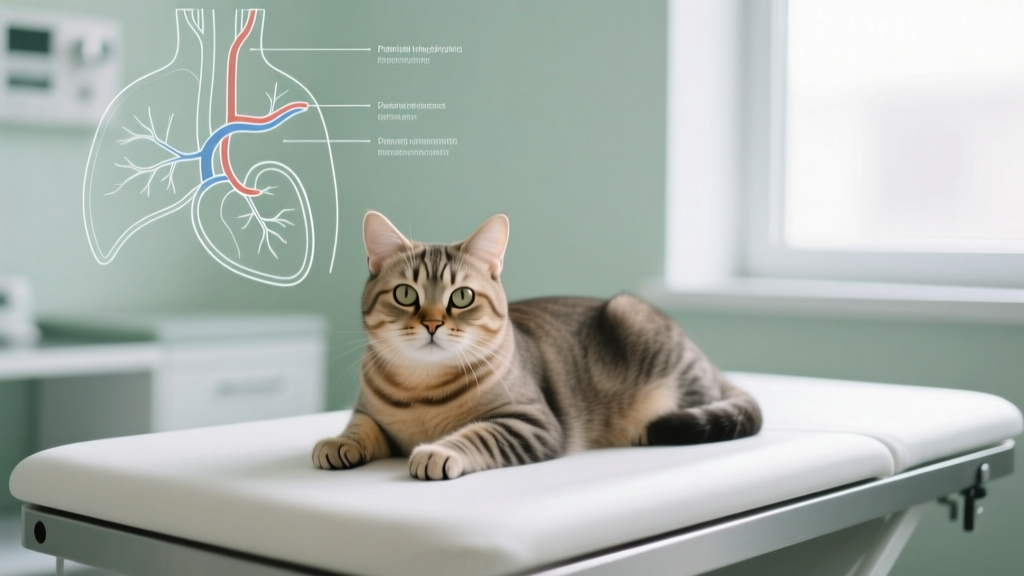
Your veterinarian’s first goal is to confirm that the signs fit a vestibular problem and then determine whether it’s peripheral (ear/nerve) or central (brain). Many conditions can mimic vestibular disease, including toxin exposure, severe anemia, low blood sugar, heart issues, and neurologic disease.
History and Physical Exam
Expect questions such as:
- When did symptoms start? Were they sudden or gradual?
- Any vomiting, toxin exposure, falls, or recent ear problems?
- Any recent medications, especially ear drops?
- Changes in appetite, thirst, urination, or behavior?
Neurologic and Ear Examination
- Neurologic exam: helps distinguish peripheral vs central patterns (eye movements, posture, reflexes, facial nerve function).
- Otoscope exam: your vet will look into the ear canal for inflammation, discharge, mites, foreign material, or signs suggesting eardrum issues.
Common Diagnostic Tests
- Ear cytology: a quick microscope check of ear debris to look for yeast, bacteria, and inflammatory cells.
- Basic bloodwork: assesses overall health and identifies issues that could complicate treatment (dehydration, infection markers, kidney/liver function).
- Blood pressure measurement: helpful in older cats or those with sudden neurologic signs.
- Imaging (as needed):
- X-rays can sometimes help but are limited for the middle/inner ear.
- CT or MRI gives the best view of the middle/inner ear, polyps, masses, or deeper infection.
- Advanced ear evaluation: some cats need deep ear flushing and examination under sedation/anesthesia, especially if the ear canal is painful or obstructed.
What you can do before the visit: If safe, take a short video of your cat walking and their eye movements. Vestibular signs can fluctuate, and videos often help your vet.
6. Treatment Options (Medical, Surgical, Home Care)
Treatment depends on the underlying cause and how severely your cat is affected. Many cats benefit from a combination of medical therapy and supportive care. Always follow your veterinarian’s instructions and avoid using leftover ear medication without approval.
Medical Treatments
- Antibiotics or antifungals: if an infection is diagnosed or strongly suspected. Middle/inner ear infections often require a longer course than typical skin infections.
- Anti-nausea medication: helps with vomiting, drooling, and appetite loss related to dizziness.
- Appetite support: appetite stimulants may be recommended if your cat isn’t eating.
- Pain control/anti-inflammatory medication: used when appropriate, especially if there’s painful ear inflammation.
- Fluids: for dehydration if vomiting or poor intake has occurred.
Surgical/Procedural Treatments
- Polyp removal: if a nasopharyngeal or middle ear polyp is present. Techniques may include traction removal or more advanced surgical approaches depending on location and recurrence risk.
- Ear canal procedures: deep cleaning/flushing under anesthesia may be needed for severe infections or to collect samples.
- Advanced surgery: in select cases (chronic severe middle ear disease, certain tumors), specialty surgery may be discussed.
Home Care: Practical Steps You Can Do Immediately
Supportive care can make a huge difference while the vestibular system stabilizes:
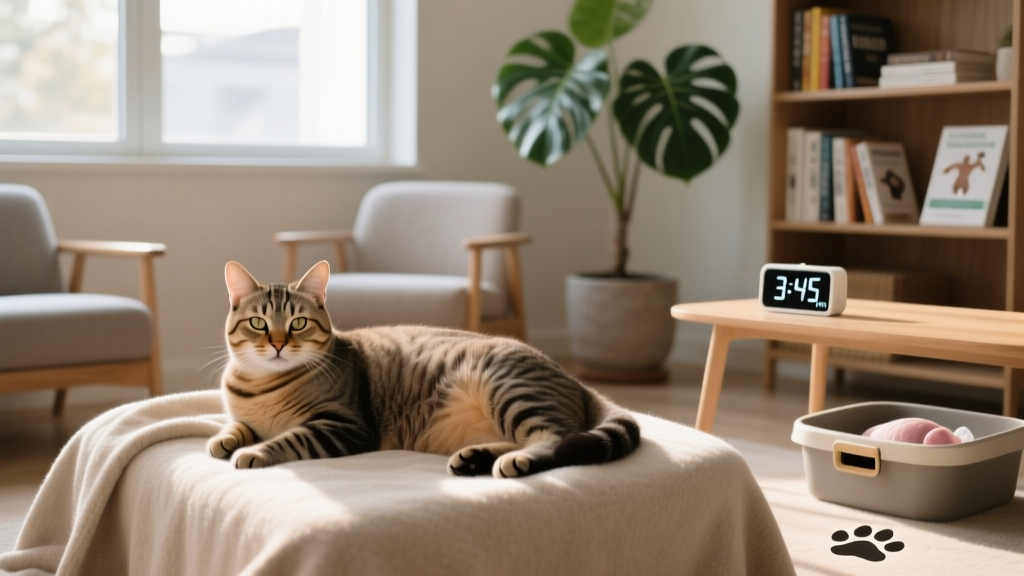
- Create a safe recovery area: use a small room with soft bedding; block access to stairs.
- Remove jumping hazards: temporarily restrict cat trees, window perches, and high furniture.
- Use non-slip surfaces: place rugs or yoga mats so your cat can gain traction.
- Keep food and water easy to reach: use shallow bowls; consider elevating bowls slightly if your cat struggles to bend down.
- Assist with the litter box: choose a low-entry box; keep it nearby.
- Help with hygiene: some cats may need gentle cleaning if they fall into food/water or have nausea-related drool.
- Give medications exactly as prescribed: set phone reminders; ask your vet if vomiting occurs after dosing.
Safety note: Avoid bathing your cat or doing deep ear cleaning at home unless your veterinarian specifically instructs you. If the eardrum is damaged, the wrong product or technique can worsen the problem.
7. Prevention Strategies and Early Detection Tips
Not all cases are preventable, but you can reduce risk and catch problems early.
Prevention
- Schedule routine wellness exams: early ear issues can be detected before they reach the middle/inner ear.
- Use parasite prevention as recommended: helps reduce ear mite risk (your vet can advise the best product for your cat).
- Keep cats indoors or supervise outdoor time: lowers exposure to trauma and infectious triggers.
- Only use ear medications prescribed for your cat: and only for the current problem. Never assume an old prescription is safe.
Early Detection
- Check for head shaking, ear scratching, odor, or discharge.
- Notice subtle balance changes: hesitating to jump, misjudging distances, or “clumsy” turns.
- If your cat has a history of ear disease, ask your vet how often ears should be rechecked.
8. Prognosis and Quality of Life
The outlook depends on the cause and how quickly treatment begins. Many cats show noticeable improvement within days, especially regarding nausea and severe disorientation. Head tilt may improve slowly and can sometimes remain mildly permanent even when a cat feels normal otherwise.
- Idiopathic cases: often improve over days to weeks with supportive care.
- Infection-related cases: prognosis is generally good with appropriate medication, though treatment may be longer and relapses can occur if the middle ear remains affected.
- Polyps: many cats do very well after removal; some may need additional treatment if a polyp recurs.
- Tumors or severe chronic disease: prognosis varies; your vet may recommend advanced imaging and referral for the best plan.
Quality of life is usually very good once dizziness settles. During recovery, your role is to keep your cat safe, comfortable, eating, hydrated, and taking medication as prescribed.
9. When to Seek Emergency Veterinary Care
Balance problems always justify prompt veterinary attention, but some situations require emergency evaluation the same day.
Seek emergency care if you notice:
- Sudden onset of severe rolling, inability to stand, or uncontrolled falling
- Repeated vomiting or inability to keep water down
- Collapse, extreme weakness, or unresponsiveness
- Seizures
- Significant behavior changes (extreme confusion, agitation) or signs of severe pain
- New neurologic signs such as limb weakness, knuckling, or unusual pupil changes
- Known trauma (fall, hit by car, suspected head injury)
- Possible toxin exposure (household chemicals, human medications, cannabis products, poisonous plants)
If you’re unsure, call your veterinary clinic or an emergency hospital and describe what you’re seeing. When it comes to sudden neurologic or balance changes, it’s always better to be safely evaluated.
10. FAQ: Common Questions Cat Owners Ask
Can peripheral vestibular syndrome look like a stroke?
Yes. Sudden head tilt, falling, and abnormal eye movements often make owners suspect a stroke. Some strokes can occur in cats, but many “stroke-like” episodes are vestibular. A veterinarian needs to examine your cat to tell the difference and decide whether advanced imaging is needed.
Is my cat in pain?
The dizziness itself is typically more nauseating and disorienting than painful. If an ear infection, inflammation, or trauma is involved, there may be discomfort around the ear or head. Your vet can assess pain and prescribe appropriate relief if needed.
Will the head tilt go away?
Often it improves, especially when the underlying cause is treated. Some cats retain a mild head tilt permanently but still feel well and function normally. Many owners report their cats return to typical routines even if a slight tilt remains.
Should I clean my cat’s ears at home?
Only if your veterinarian specifically instructs you to, and only with the product they recommend. If the eardrum is damaged, some cleaners or medications can worsen inner ear problems. If you see discharge or odor, schedule an exam instead of trying to treat it blindly.
How long does recovery take?
Milder signs may improve within a few days, while full recovery can take a couple of weeks or longer depending on the cause. If your cat isn’t steadily improving, or symptoms worsen, follow up promptly—your vet may need to adjust treatment or pursue additional diagnostics.
Can this happen again?
It can, especially if the underlying issue is chronic (such as recurring ear disease) or if a polyp recurs. Preventive care, timely rechecks, and treating ear problems early reduce the chance of repeat episodes.
If your cat suddenly loses balance, tilts their head, or seems dizzy, a veterinary exam is the safest next step. With the right care and a calm, supportive home setup, many cats recover well and regain confidence moving around.
For more cat health guides, practical care tips, and owner-friendly explanations, visit catloversbase.com.