Cat Pericardial Mesothelioma: Heart Lining Cancer
1. Why this topic matters to cat owners
When a cat’s heart isn’t working well, the signs can be subtle at first: a little less play, more hiding, faster breathing after mild activity. Pericardial mesothelioma is a rare cancer that affects the lining around the heart (the pericardium). Even though it’s uncommon, it can cause a serious complication called pericardial effusion—a buildup of fluid around the heart that can make it difficult for the heart to fill and pump normally.
For cat owners, understanding this condition matters for two reasons:
- Early recognition saves time. Cats often mask illness; knowing the warning signs helps you seek care sooner.
- Supportive care can improve comfort. While treatment options may be limited, many cats benefit from therapies that ease breathing, reduce stress on the heart, and protect quality of life.
2. Overview: what pericardial mesothelioma is (plain-language explanation)
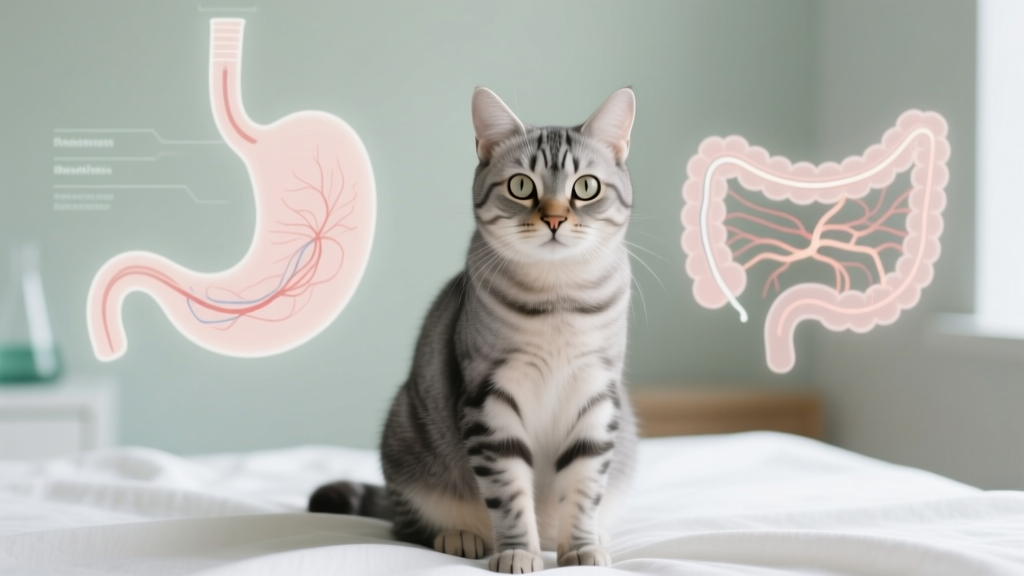
Pericardial mesothelioma is a cancer arising from mesothelial cells—the specialized cells that line certain internal surfaces. In this case, those cells line the pericardium, the thin sac surrounding the heart. The pericardium normally contains a small amount of lubricating fluid so the heart can move smoothly as it beats.
With pericardial mesothelioma, abnormal cells can:
- Thicken or irritate the pericardial lining
- Trigger inflammation
- Cause fluid to accumulate in the pericardial sac (pericardial effusion)
The biggest danger isn’t always the tumor itself—it’s the fluid buildup. If too much fluid collects too quickly, it can compress the heart and prevent it from filling properly. This is called cardiac tamponade, and it can become an emergency.
Pericardial mesothelioma is rare in cats. Because it’s uncommon and symptoms can resemble other heart or lung problems, diagnosis often requires imaging and testing by a veterinarian, sometimes with referral to a cardiologist.
3. Symptoms and warning signs to watch for
Symptoms often relate to reduced heart function, reduced oxygen delivery, or difficulty breathing due to fluid pressure on the heart and nearby lungs. Some cats show vague signs at first.
Common signs at home
- Fast breathing (increased respiratory rate), especially at rest
- Labored breathing or “belly breathing”
- Weakness, tiring quickly, decreased play
- Lethargy and sleeping more than usual
- Reduced appetite or picky eating
- Weight loss over weeks to months
- Hiding more often or acting “off”
Signs that may be noticed by a veterinarian
- Muffled heart sounds (fluid can dampen sounds)
- Weak pulses or changes in blood pressure
- Pale gums or poor perfusion in severe cases
- Fluid in the chest (sometimes present alongside pericardial effusion)
A practical tip you can do today: measure resting respiratory rate
When your cat is asleep or fully relaxed, count breaths for 30 seconds and multiply by 2.
- Many healthy cats are roughly 16–30 breaths per minute at rest.
- If your cat is consistently over 35 at rest, or breathing looks effortful, contact your veterinarian.
One high reading isn’t a diagnosis. Trends matter—write down the number, date, and any notes (e.g., after activity, stress, or heat).
4. Causes and risk factors
In many cats, the exact cause of pericardial mesothelioma is unknown. In people, mesothelioma is famously linked to asbestos exposure, but that link has not been clearly established in cats in the same way. Cats can be exposed to environmental fibers indirectly (including through household dust), yet pericardial mesothelioma remains rare and difficult to tie to a single cause.
Possible risk factors and associations
- Age: often seen in middle-aged to older cats, though it can occur at different ages
- Chronic irritation/inflammation: long-term inflammation in body cavities is sometimes discussed as a contributor to mesothelial cell changes
- Environmental exposure: uncertain role; general avoidance of airborne irritants is still sensible
Other conditions that can look similar
Pericardial effusion in cats can also be caused by:
- Other cancers (e.g., lymphoma, hemangiosarcoma in some species, metastatic tumors)
- Heart disease
- Infection or inflammatory disease
- Idiopathic effusion (no clear cause)
This is why veterinary evaluation is so important—treatment depends on the underlying cause.
5. Diagnosis: methods and what to expect at the vet
Diagnosis is usually a step-by-step process. Your veterinarian’s first goal is to stabilize breathing and circulation if your cat is struggling. After that, they’ll work to confirm whether fluid is present and why.
Typical diagnostic steps
- History and physical exam: breathing pattern, gum color, hydration, heart and lung sounds
- Chest X-rays: can suggest an enlarged cardiac silhouette or fluid-related changes, but may not definitively identify pericardial effusion
- Cardiac ultrasound (echocardiogram): the most useful tool to confirm pericardial effusion, assess heart function, and sometimes visualize masses or pericardial thickening
- Electrocardiogram (ECG): evaluates rhythm and may show changes associated with effusion
- Bloodwork: screens for anemia, inflammation, organ function, and suitability for anesthesia or procedures
- Pericardiocentesis (draining fluid): a procedure where fluid is removed from the pericardial sac with a needle/catheter under ultrasound guidance
What fluid analysis can (and can’t) tell you
The removed fluid may be sent for cytology (microscopic evaluation). With mesothelioma, cytology can be challenging because reactive (non-cancerous) mesothelial cells can resemble cancerous ones. Results may come back as:
- Suggestive but not definitive
- Inflammatory or hemorrhagic (bloody) effusion
- Suspicious for neoplasia
In some cases, a more definitive diagnosis requires biopsy of pericardial tissue and specialized pathology testing.
What to expect emotionally and logistically
If your cat has significant effusion, the appointment may become urgent. Your vet may recommend oxygen support, gentle handling to reduce stress, and referral to an emergency hospital or veterinary cardiologist for ultrasound-guided drainage and advanced imaging.
6. Treatment options (medical, surgical, and home care)
Treatment depends on your cat’s stability, the amount of fluid, whether it’s recurring, and whether a tumor is confirmed or strongly suspected. Your veterinarian will help you balance potential benefits, stress, cost, and quality of life.
Emergency and short-term treatment
- Oxygen therapy: reduces breathing distress
- Pericardiocentesis: relieves pressure on the heart; often provides rapid improvement
- Supportive care: careful fluids (if needed), pain control/sedation when appropriate, monitoring
Managing recurrence (when fluid returns)
Pericardial effusion related to mesothelioma may recur. Options may include:
- Repeat pericardiocentesis as needed
- Pericardiectomy (surgical window): removing part of the pericardium to allow fluid to drain into the chest cavity where it may be absorbed more easily; this can reduce life-threatening tamponade risk but does not cure cancer
- Oncology consultation: to discuss chemotherapy or other anti-cancer therapies when appropriate (response varies and evidence is limited due to rarity)
Medical therapy
Medications may be used to support comfort and address secondary issues. Your veterinarian may prescribe:
- Pain relief (as needed)
- Anti-nausea or appetite support
- Diuretics in select cases (more commonly used for congestive heart failure; they do not directly remove pericardial fluid and may not be helpful for tamponade)
- Anti-inflammatory medications only when appropriate and safe (never give human medications unless your veterinarian directs you)
Home care you can act on immediately
- Track breathing: record resting respiratory rate daily or a few times per week, and note effort
- Keep activity gentle: encourage calm rest; avoid intense play if your cat gets winded
- Reduce stress: quiet room, predictable routine, easy access to litter box/food/water
- Optimize appetite: warm food slightly, offer strong-smelling wet foods, provide small frequent meals (ask your vet about appetite stimulants if needed)
- Use a pet carrier plan: keep the carrier accessible, with familiar bedding, in case a quick vet visit becomes necessary
Always follow your veterinarian’s medication directions and recheck schedule. If your cat’s breathing changes, don’t “wait and see” for days—call your clinic.
7. Prevention strategies and early detection tips
Because pericardial mesothelioma is rare and its cause is often unclear, there’s no guaranteed prevention. What you can do is improve the odds of catching trouble early and reducing overall health risks.
Actionable prevention and early detection steps
- Schedule regular wellness exams: at least yearly for adult cats, and every 6 months for seniors or cats with chronic conditions
- Monitor resting respiratory rate: a simple home “vital sign” that can reveal early breathing strain
- Watch for subtle behavior changes: less jumping, slower grooming, hiding, decreased social interaction
- Maintain a healthy weight: obesity makes breathing and stamina worse, even without heart disease
- Improve indoor air quality: avoid smoke exposure, reduce dusty litter if it triggers coughing, consider HEPA filtration if your home is dusty
If your cat has had pericardial effusion before, ask your veterinarian for a written monitoring plan: what numbers are concerning, when to recheck imaging, and which symptoms should trigger an urgent visit.
8. Prognosis and quality of life considerations
Prognosis varies based on:
- How quickly fluid accumulates and how often it recurs
- Whether the disease has spread or involves other organs
- Your cat’s response to drainage procedures and supportive care
- Whether surgery is possible and beneficial in your cat’s specific case
Pericardial mesothelioma is generally considered a serious diagnosis. That said, many cats can have meaningful time with good comfort when fluid is managed proactively. Some cats feel noticeably better after pericardiocentesis and may return to near-normal routines for a period.
Quality of life checklist for cat owners
- Breathing comfort: normal-ish resting rate, minimal effort
- Appetite and hydration: eating enough to maintain weight, drinking normally
- Mobility: able to move around without obvious fatigue
- Engagement: still seeks affection or enjoys favorite resting spots
- Good days vs. bad days: track on a calendar to spot trends
If bad days begin to outnumber good days, it’s appropriate to talk with your veterinarian about adjusting treatment, palliative care options, or hospice-style support at home.
9. When to seek emergency veterinary care
Fluid around the heart can become an emergency quickly. Seek urgent veterinary care (emergency clinic if your regular vet isn’t open) if you notice:
- Open-mouth breathing or severe breathing effort
- Very fast breathing at rest (especially persistent rates > 40 breaths/minute, or any sudden spike with distress)
- Collapse, fainting, or sudden weakness
- Blue/gray gums or tongue
- Extreme lethargy with poor responsiveness
Transport tip: keep your cat calm and warm, minimize handling, and avoid forcing food or water. Call ahead so the clinic can prepare oxygen support.
10. FAQ: Common questions cat owners ask
Is pericardial mesothelioma contagious to other pets or people?
No. It’s a cancer of the tissue lining around the heart and is not infectious. Other pets in the home are not at risk from exposure to your cat.
Can my cat live a normal life after fluid is drained?
Many cats improve quickly after pericardiocentesis because the heart can fill and pump more effectively. Some cats feel quite normal for a while, but fluid may recur. Your veterinarian will recommend monitoring and rechecks so you can respond early if breathing changes.
Will my cat feel pain from this condition?
Some cats are more uncomfortable from breathing difficulty and fatigue than from “pain” itself. If inflammation is present, discomfort is possible. If your cat seems restless, hides more, or resists being picked up, tell your veterinarian—there are safe ways to improve comfort.
How is this different from congestive heart failure?
Congestive heart failure usually involves fluid backing up into the lungs or chest due to the heart’s pumping weakness or stiffening. Pericardial effusion is fluid building up around the heart in the pericardial sac, physically restricting filling. The treatments overlap in supportive care, but the immediate fix for tamponade is often drainage of the pericardial fluid.
Does a diagnosis always require a biopsy?
Not always, but a biopsy may be needed for a definitive diagnosis. Ultrasound findings plus recurring effusion and fluid analysis can raise strong suspicion. Your veterinarian or a specialist will discuss whether biopsy would change the treatment plan enough to justify the procedure.
What can I do today to help protect my cat’s heart health?
- Start tracking resting respiratory rate
- Keep your cat at a healthy weight
- Schedule routine veterinary exams
- Seek prompt care for breathing changes, reduced stamina, or appetite loss
If you’re worried your cat may be showing early signs—especially faster breathing at rest—contact your veterinarian for guidance. Heart and chest conditions are safest to address sooner rather than later.
For more trustworthy cat wellness guidance, symptom check tips, and owner-friendly health articles, visit catloversbase.com.