Feline Asthma Diagnosis & Long-Term Management in 2026
Recognizing Early Signs of Feline Asthma
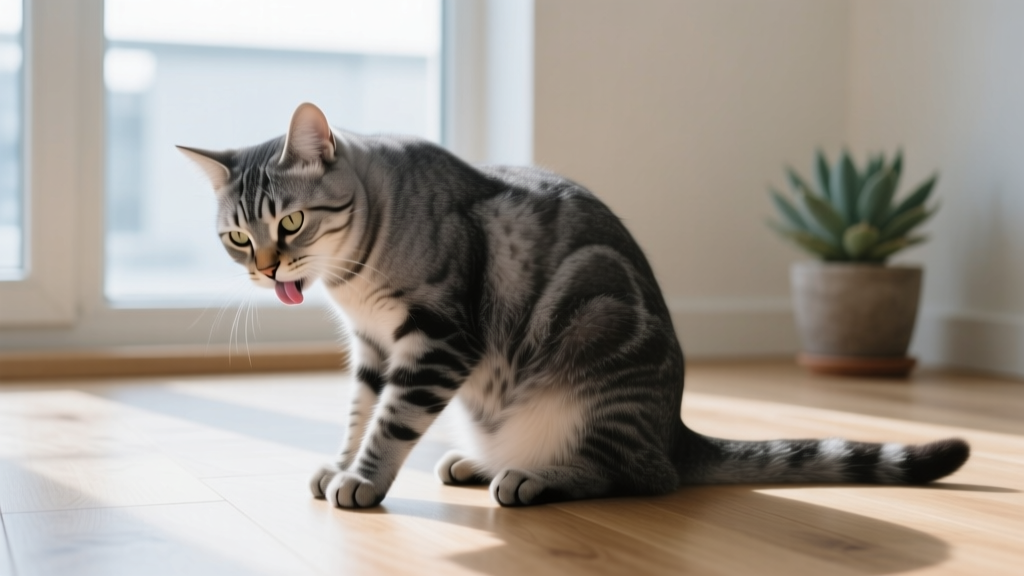
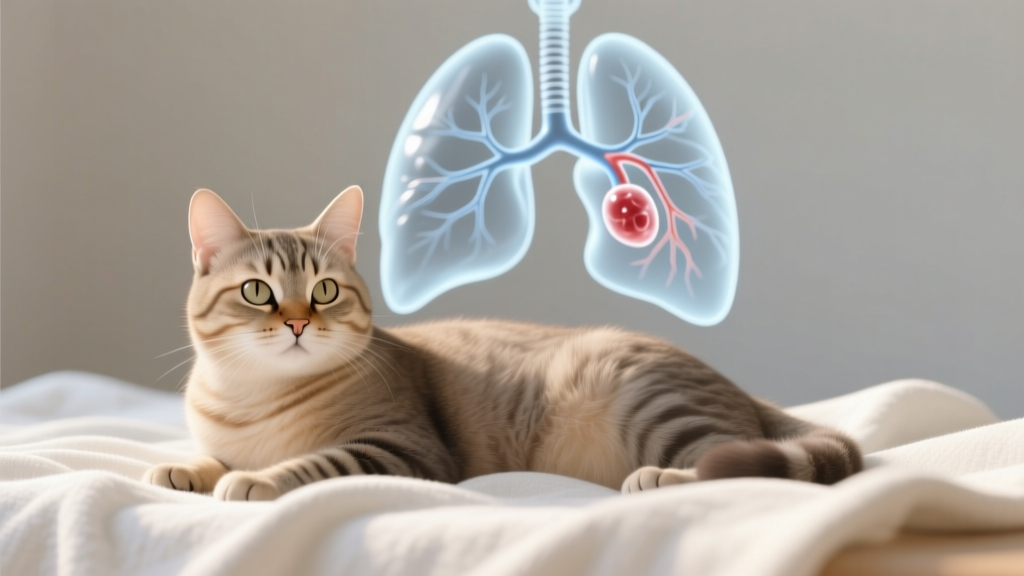
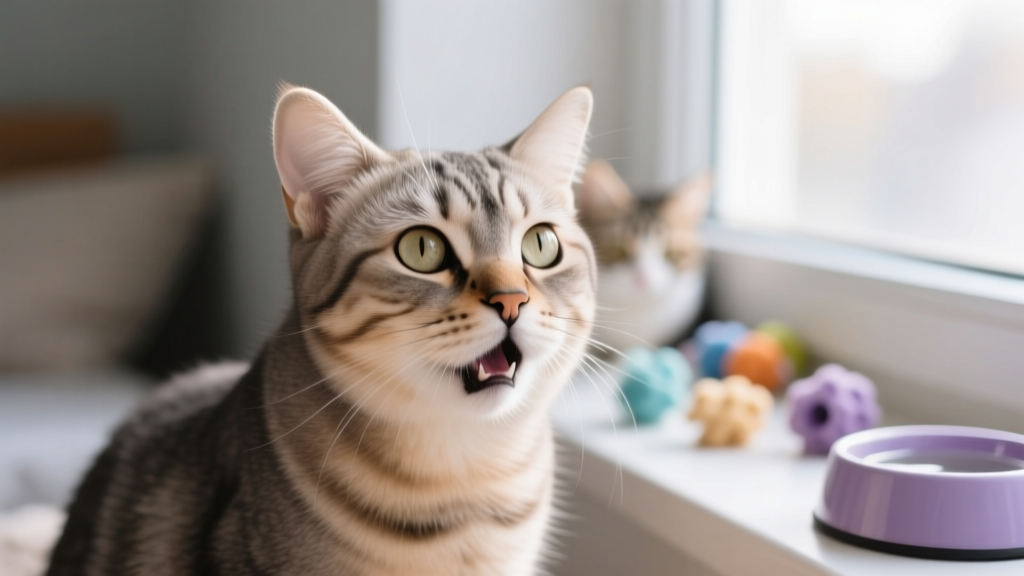
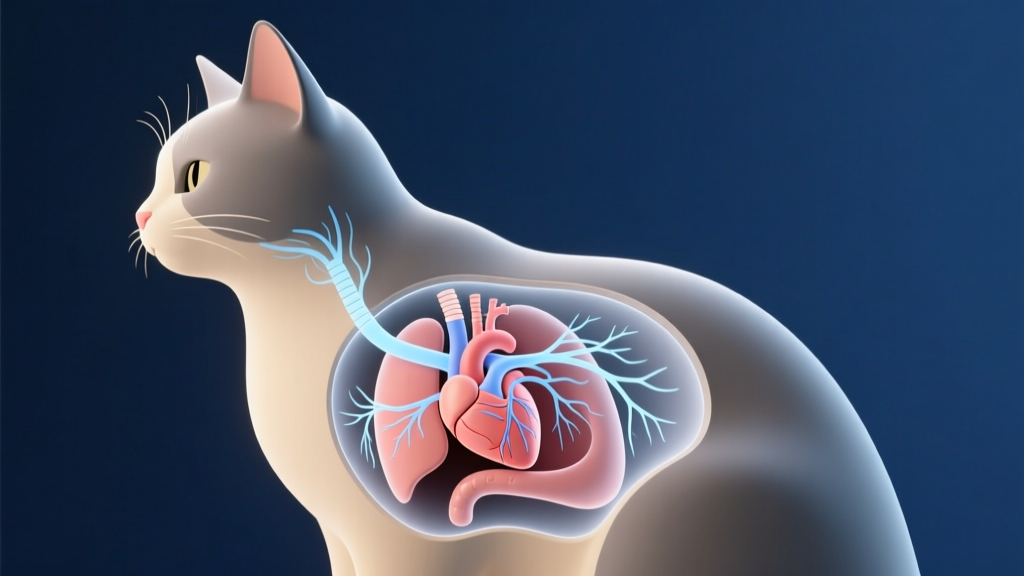
Cats with asthma often display subtle, intermittent symptoms that owners mistake for hairballs or mild respiratory infections. Persistent coughing—especially a crouched, neck-extended posture—is present in 78% of confirmed cases (AVMA Feline Respiratory Task Force, 2026). Wheezing may be absent in up to 40% of affected cats, making visual observation critical. Other red flags include increased respiratory effort at rest, exercise intolerance, and episodic open-mouth breathing.
Diagnostic Protocols Used by Board-Certified Specialists
Diagnosis requires ruling out infectious, parasitic, and neoplastic causes. The 2026 ACVIM Consensus Guidelines recommend thoracic radiographs as the first-line imaging tool, revealing bronchial wall thickening or air-trapping in 65–80% of asthmatic cats. Bronchoalveolar lavage (BAL) remains the gold standard for cytology, with eosinophilic inflammation (>15% eosinophils) confirming asthma in 92% of cases when combined with clinical signs (Dr. Lena Cho, DACVIM, Journal of Feline Medicine and Surgery, March 2026).
Medication Options: From Rescue Inhalers to Maintenance Therapy
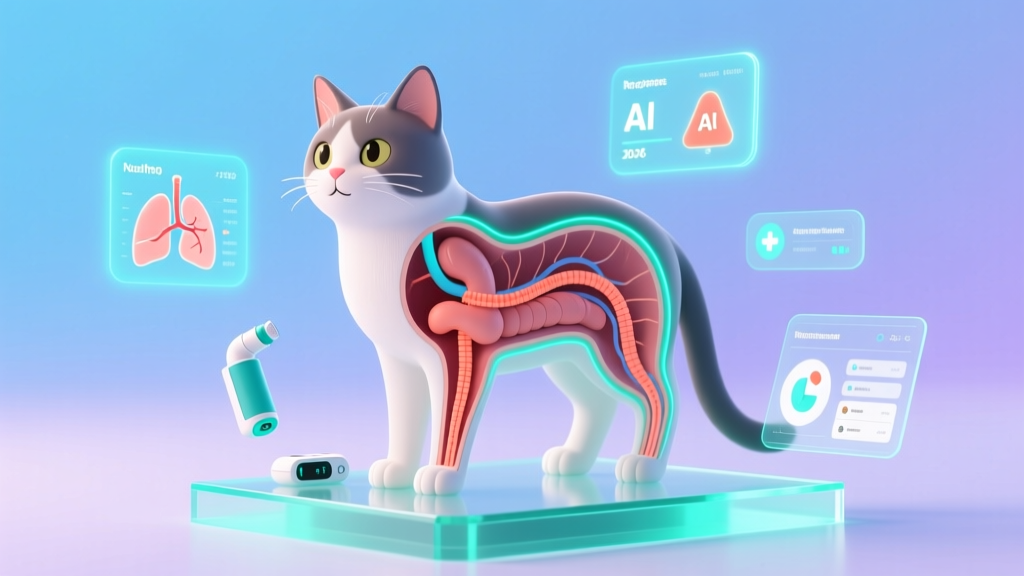
Inhalation therapy is now the cornerstone of feline asthma management. The AeroKat® Feline Aerosol Chamber, paired with fluticasone propionate (Flovent HFA), delivers targeted corticosteroid delivery with minimal systemic absorption. A 2026 multicenter trial showed 89% of cats on daily low-dose inhaled fluticasone (110 mcg twice daily) maintained stable respiratory scores over 12 months. Oral prednisolone remains an option for acute exacerbations but is discouraged for chronic use due to diabetes risk (incidence rises to 14% after 6+ months of daily dosing).
Environmental Triggers and Proven Mitigation Strategies
Indoor air quality directly impacts asthma severity. In a 2026 UC Davis longitudinal study, cats housed in homes using HEPA-filtered air purifiers (e.g., Coway Airmega 400S) experienced 52% fewer emergency visits versus control households. Common triggers include dust mite allergens (found in >90% of U.S. carpets), cigarette smoke (linked to 3.7× higher exacerbation frequency), and scented litter (clay-based litters increase cough episodes by 68% compared to unscented paper pellets).
Long-Term Monitoring and Quality-of-Life Assessment
Effective long-term care relies on objective tracking. Veterinarians now use the Feline Asthma Severity Index (FASI), validated in 2026, which scores cough frequency, activity level, and resting respiratory rate (normal: 20–30 breaths/min). A case study from Cornell’s Feline Health Center followed "Mittens," a 7-year-old Siamese diagnosed in January 2026: after switching to inhaled fluticasone and eliminating feather dusters, her FASI score dropped from 18/30 to 4/30 within 10 weeks. Another example is "Ollie," a 12-year-old domestic shorthair whose owner used a pet-safe air quality monitor (Awair Element) to identify elevated PM2.5 levels during fireplace season—adjusting ventilation reduced his seasonal flare-ups by 75%.
Regular re-evaluation every 3–6 months ensures treatment alignment with disease progression. Blood work should include fasting glucose (to screen for steroid-induced diabetes) and serum cobalamin (low levels correlate with chronic airway inflammation). Owners are encouraged to record respiratory events using the free CatRespiratory Tracker app, released by the International Society of Feline Medicine in April 2026.
Environmental enrichment also plays a role: stress worsens airway hyperreactivity. A 2026 RVC study found cats with daily interactive play sessions (≥15 minutes) had 44% lower rescue inhaler use than sedentary counterparts.
Emergency signs—including cyanosis, lethargy, or respiratory rates exceeding 60 breaths per minute—require immediate veterinary attention. Delayed intervention increases hospitalization duration by an average of 2.3 days, per data from Banfield Pet Hospital’s 2026 national respiratory database.
Vaccination status must remain current: while vaccines don’t cause asthma, upper respiratory infections like feline herpesvirus can trigger severe exacerbations. All asthmatic cats should receive annual intranasal calicivirus/herpesvirus vaccines (Nobivac Feline 2-FeLV, Merck Animal Health).
Collaboration between primary veterinarians and board-certified veterinary internists is increasingly accessible via telemedicine consults, with 61% of specialty referrals in 2026 initiated through virtual triage platforms like Vetster Connect.
"Inhaled corticosteroids are no longer a last resort—they are the standard of care for any cat with recurrent airway signs. Early, consistent intervention preserves lung architecture and prevents irreversible remodeling." — Dr. Marcus Thorne, DACVIM, Director of Respiratory Medicine, Angell Animal Medical Center, Boston, May 2026
| Intervention | Evidence Strength (2026) | Average Efficacy Rate | Key Consideration |
|---|---|---|---|
| Inhaled fluticasone + AeroKat chamber | Level I (RCT) | 89% | Requires proper training; 90% success with certified technician demonstration |
| Oral prednisolone (short course) | Level II (cohort) | 94% | Risk of iatrogenic diabetes rises after 6 months |
| HEPA air filtration | Level II (prospective) | 71% | Must run ≥18 hrs/day; filter replaced every 6 months |
| Unscented paper litter | Level III (case-control) | 68% | Clay/scented litters increase particulate load by 4.2× |
| Dust mite reduction protocol | Level II (intervention) | 57% | Includes hot-water washing of bedding weekly (≥130°F) |
Owners should schedule annual pulmonary function assessments starting at age 6 for high-risk breeds—including Siamese, Burmese, and Balinese—as genetic predisposition elevates lifetime asthma incidence to 12.3%, per the 2026 Feline Genetic Health Registry.