Hairball Prevention Strategies for Cats
Why Hairballs Form
Hairballs occur when cats ingest loose fur during grooming. While occasional hairballs are normal, frequent episodes (more than once every 1–2 weeks) signal underlying issues. A 2022 study in the Journal of Feline Medicine and Surgery found that 43% of cats over age 7 experience recurrent hairballs due to decreased gastrointestinal motility (Lopez et al., 2022).
Dietary Interventions
High-fiber diets promote intestinal transit and reduce hairball retention. Royal Canin Hairball Control Dry Food contains 8.5% crude fiber and was clinically shown to reduce hairball frequency by 52% in a 28-day trial (Royal Canin, 2023). For senior cats, consider Hill’s Science Diet Adult 7+ with prebiotic fiber—formulated to support digestion in aging felines.
Grooming Best Practices
Daily brushing cuts ingested fur by up to 70%, per a Cornell Feline Health Center report (2021). Use a stainless-steel comb for longhairs like Maine Coons and a rubber grooming mitt for shorthairs like American Shorthairs. Start early: kittens introduced to brushing before 12 weeks tolerate it 3× longer in adulthood (AVMA, 2020).
Symptoms Requiring Veterinary Attention
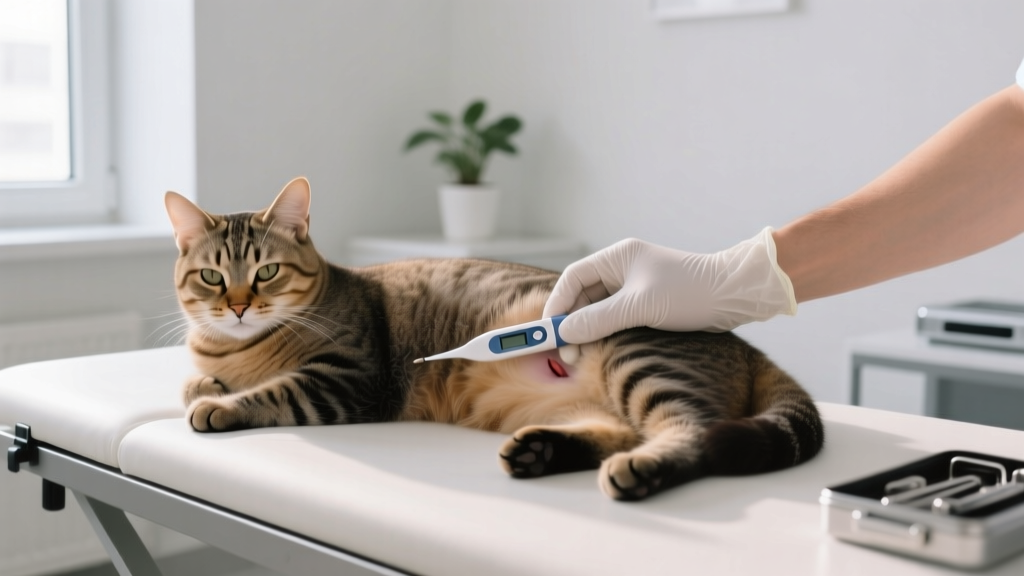
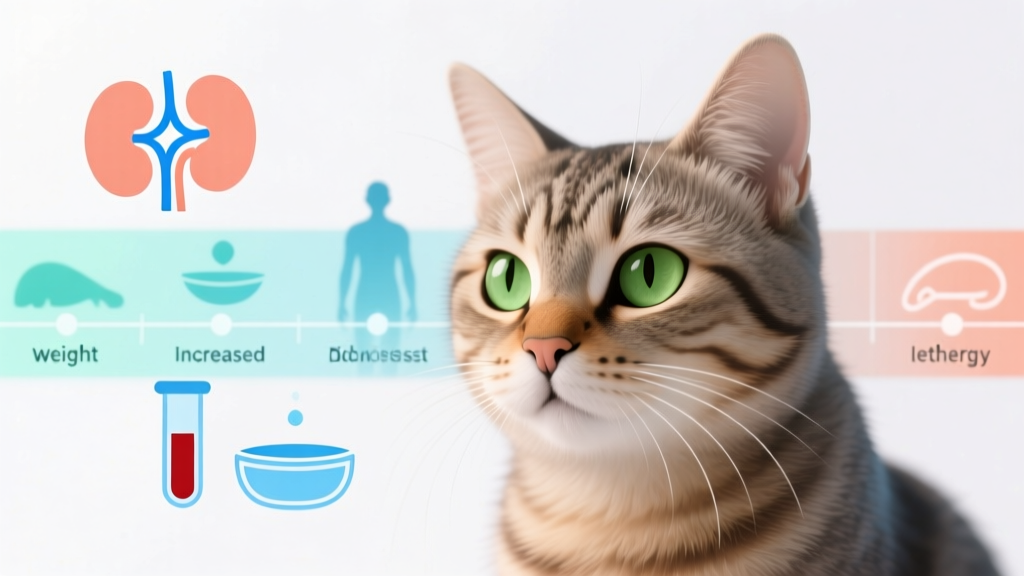
Repeated retching without producing a hairball, lethargy, constipation lasting >48 hours, appetite loss >24 hours, or vomiting more than twice in 24 hours demand immediate care. These may indicate intestinal obstruction—a life-threatening emergency requiring surgery in 12% of severe cases (ACVIM Consensus Statement, 2023).
Sr. Cat-Specific Considerations
Cats aged 10+ often develop reduced gastric emptying time (from ~12 to ~18 hours), increasing hairball risk. Add 1/4 tsp of pure pumpkin (not pie filling) daily to meals—it provides soluble fiber and moisture. Avoid mineral oil: it impairs fat-soluble vitamin absorption in seniors and is contraindicated in cats with respiratory disease.
Real-world scenario #1: Luna, a 13-year-old Persian, vomited hairballs 3× weekly and developed mild dehydration. Her vet diagnosed delayed gastric motility and prescribed cisapride (off-label use, FDA-approved for humans in 1998, used in cats under veterinary supervision). Within 10 days on medication + daily brushing, episodes dropped to once monthly.
Real-world scenario #2: Milo, a 4-year-old domestic shorthair, began dry-heaving every morning. His owner switched to Blue Buffalo Wilderness Adult Dry Food (crude fiber: 6.0%) and added 2x weekly grooming. After 3 weeks, vomiting ceased—and his fecal consistency improved markedly.
Preventive supplements like Laxatone (petroleum-jelly-based) can aid passage but should not replace grooming or diet changes. Administer no more than 1 inch (2.5 cm) orally 2–3× weekly unless directed otherwise. Overuse may cause diarrhea or nutrient malabsorption.
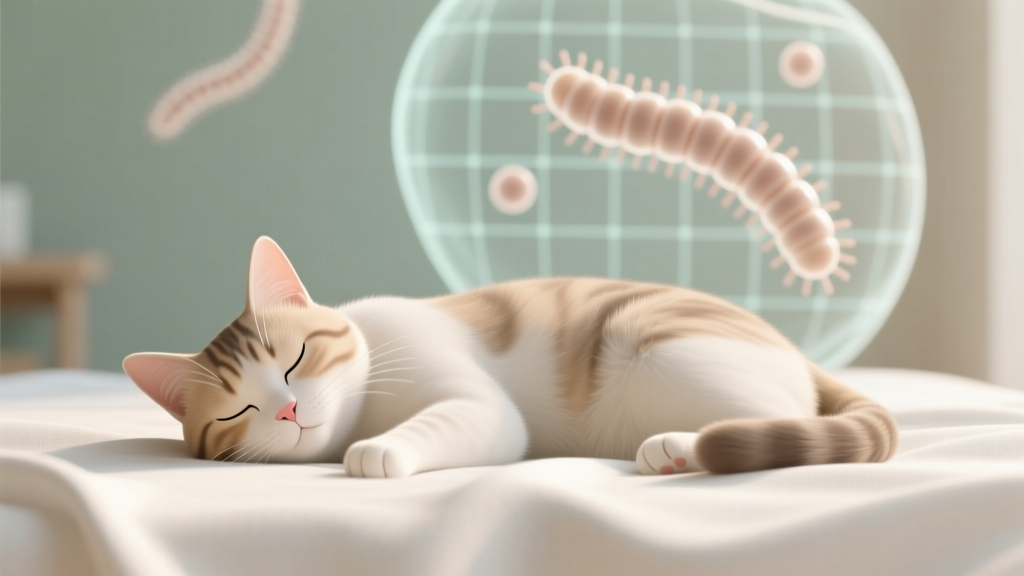
When in doubt, consult your veterinarian before starting any new product. The American Animal Hospital Association recommends annual fecal exams for cats with chronic hairball issues to rule out parasites or inflammatory bowel disease.
| Strategy | Evidence-Based Efficacy | Senior Cat Notes |
|---|---|---|
| Daily brushing | Reduces hair ingestion by 70% (Cornell, 2021) | Use soft-bristle brushes; avoid over-grooming fragile skin |
| Royal Canin Hairball Dry | 52% reduction in 28 days (Royal Canin, 2023) | Lower protein version available for renal-sensitive seniors |
| Laxatone (1 inch dose) | Safe for short-term use; no proven long-term benefit | Avoid if on anticoagulants or with liver disease |