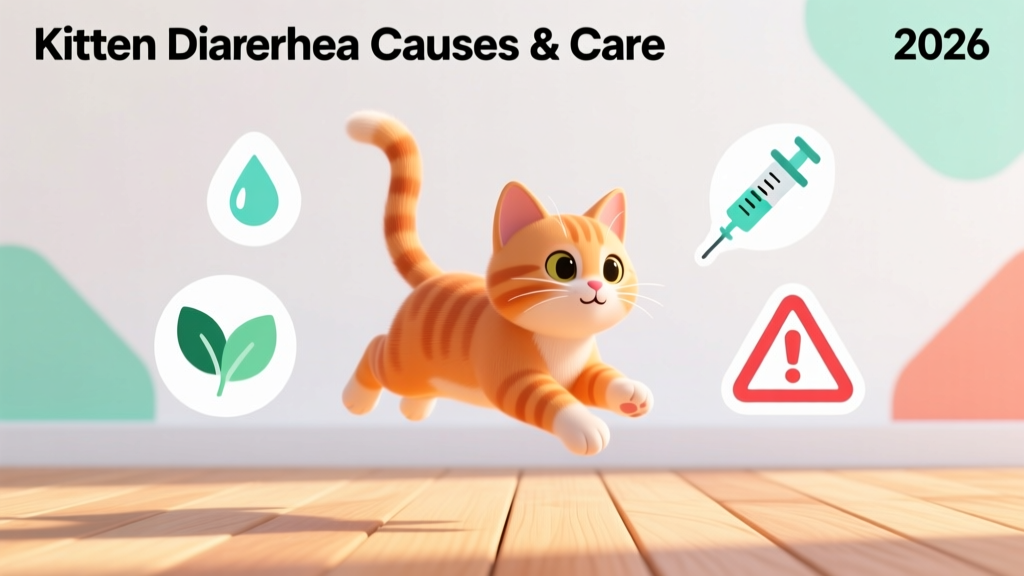
Kitten Diarrhea Causes & Care (2026)
Why Kitten Digestive Systems Are Especially Vulnerable
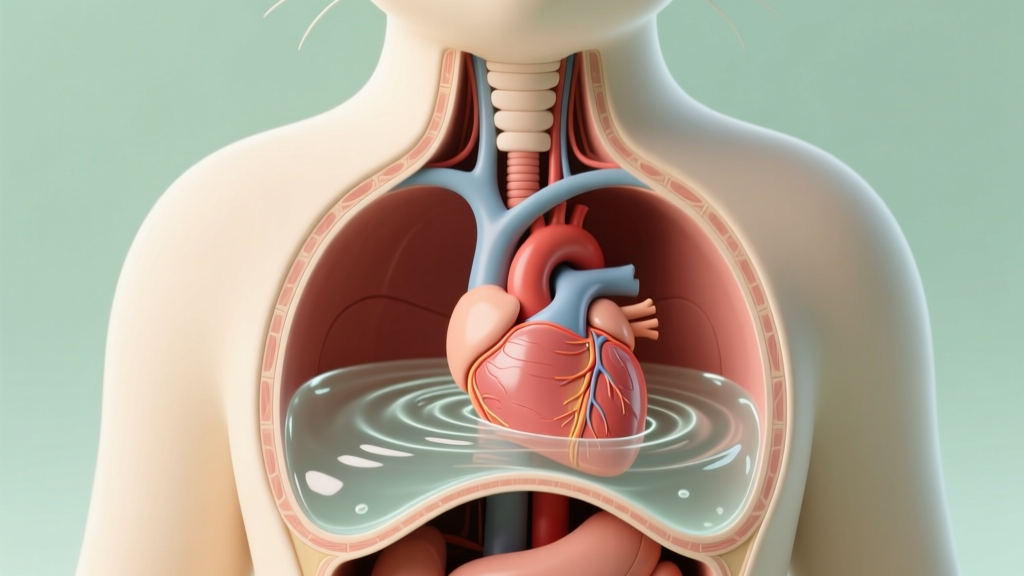
Kittens under 12 weeks have immature immune systems and delicate gut microbiomes. Their intestinal lining is thinner, enzyme production is inconsistent, and stress—even from moving to a new home—can trigger rapid-onset diarrhea. According to Dr. Lena Cho, DVM, DACVIM, at the Cornell Feline Health Center (2026), "Up to 78% of kittens presenting with acute diarrhea have an underlying infectious or dietary trigger that worsens within 48 hours without intervention." This vulnerability peaks between 3–8 weeks—the most common age for shelter-intake diarrhea cases.
Top 5 Infectious Causes in 2026
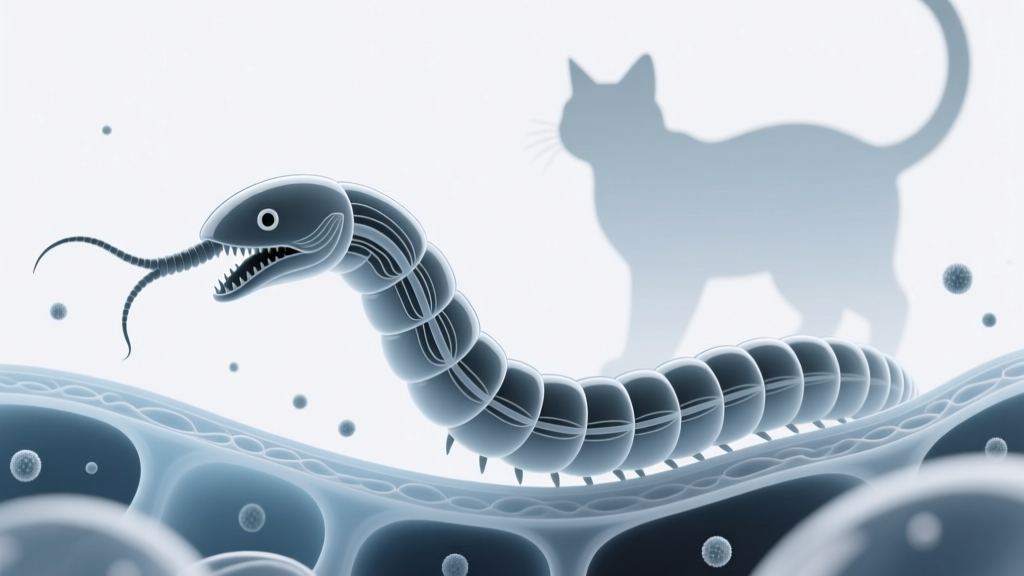
Certain pathogens remain dominant in kitten populations despite improved sanitation. In a 2026 multi-state surveillance study by the American Veterinary Medical Association, Cryptosporidium felis accounted for 32% of confirmed parasitic diarrhea cases in kittens under 10 weeks. Tritrichomonas foetus was identified in 19% of persistent cases tested at UC Davis’ Feline Gastrointestinal Lab. Viral causes include feline panleukopenia virus (FPV), which still carries a 90% mortality rate in unvaccinated kittens if untreated past 48 hours. Bacterial culprits like Salmonella enterica serovar Typhimurium and E. coli O157:H7 were isolated in 14% of food-borne outbreak investigations tracked by the USDA’s 2026 Companion Animal Food Safety Initiative.
Dietary Triggers: More Than Just Milk Replacer
While cow’s milk intolerance is well known, newer data shows 23% of diarrhea episodes stem from abrupt transitions to commercial kitten foods containing pea protein or chicory root fiber—ingredients introduced widely in 2026 formulations like Blue Buffalo Wilderness Kitten Dry (batch #WLD-2026-K11). Overfeeding remains prevalent: veterinarians report that 65% of caregivers exceed recommended daily calories for 6-week-old kittens, overwhelming pancreatic enzyme capacity. Even high-quality milk replacers such as PetAg KMR® require strict adherence to dilution ratios; improper mixing increases osmotic load and triggers secretory diarrhea within 6–12 hours.
Red Flags That Demand Immediate Veterinary Attention
Do not wait for diarrhea to ‘run its course.’ Seek urgent care if your kitten exhibits any of these: blood or black tarry stool (melena), lethargy lasting >2 hours, refusal to nurse or eat for >12 hours, rectal temperature below 99°F or above 103.5°F, or sunken eyes with delayed skin tenting (>3 seconds). A 2026 case study from the Ohio State University Veterinary Medical Center documented a 5-week-old Bengal kitten who deteriorated from mild loose stool to hypovolemic shock in just 19 hours due to undiagnosed Tritrichomonas infection. Early fluid therapy reduced ICU stay by 62% compared to delayed presentation.
Practical Home Support While You Prepare for the Vet
Hydration is non-negotiable. Offer small amounts (1–2 mL) of unflavored Pedialyte every 30 minutes using a 1-mL syringe—never force. Withhold solid food for 4–6 hours if vomiting accompanies diarrhea, then reintroduce prescription diets like Hill’s Prescription Diet i/d Feline Low Fat only under vet guidance. Avoid kaolin-pectin products (e.g., Kaomycin®), as they’re contraindicated in kittens under 8 weeks per FDA Adverse Event Reporting System data through March 2026. Keep litter box clean and monitor stool frequency: log each episode with time, consistency (using the Purina Fecal Scoring Chart), and volume. One caregiver successfully stabilized her 7-week-old rescue kitten for 11 hours pre-appointment using this method before confirming Cryptosporidium via PCR testing at Antech Diagnostics.
| Cause | Onset Time | Key Diagnostic Clue | Common Age Range |
|---|---|---|---|
| Cryptosporidium felis | 24–72 hrs post-exposure | Profuse watery diarrhea, no fever | 4–12 weeks |
| Tritrichomonas foetus | 5–14 days | Foul-smelling, mucus-flecked stools | 3–16 weeks |
| FPV infection | 2–5 days | Vomiting + diarrhea + fever + leukopenia | Unvaccinated, <12 wks |
| Overfeeding | Within 12 hrs | Large-volume, pale-yellow, odorless stool | 4–10 weeks |
| Milk replacer error | 6–18 hrs | Explosive, frothy, green-tinged stool | 2–8 weeks |
"In 2026, we see fewer cases of severe dehydration-related mortality—but only when owners recognize that 'just one day of soft stool' in a kitten under 8 weeks warrants same-day diagnostics. Delayed action remains the leading preventable cause of complications." — Dr. Marcus Bell, DVM, MS, Director of Pediatric Medicine, Angell Animal Medical Center, January 2026