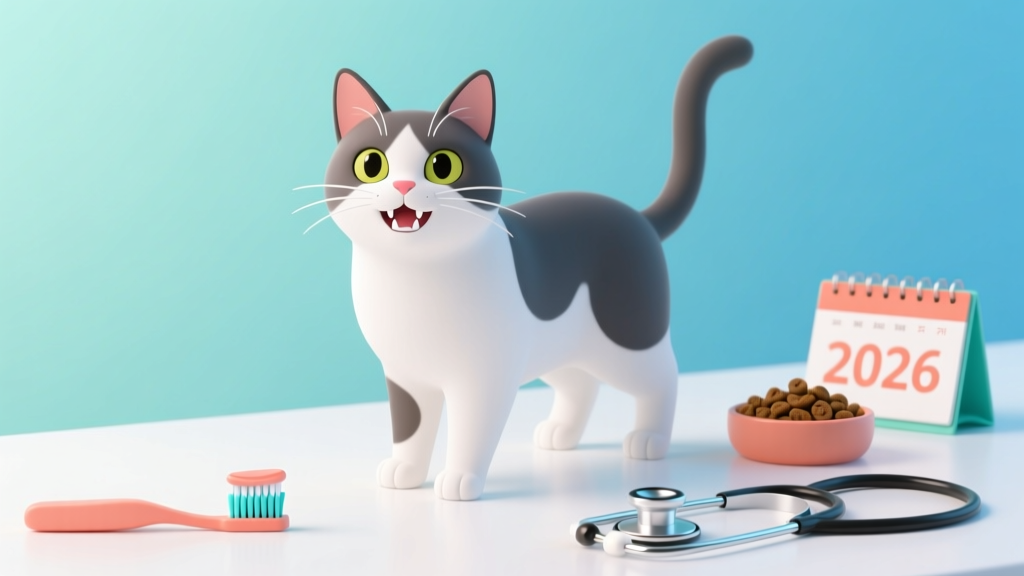
Feline Diabetes Early Warning Signs (2026)
Why Early Detection Saves Lives
Feline diabetes mellitus affects an estimated 1 in 230 cats globally, with prevalence rising to 1 in 50 among senior cats over age 10 (American Association of Feline Practitioners, 2022). Unlike dogs, cats often develop type II diabetes—characterized by insulin resistance and progressive beta-cell dysfunction. Early identification can prevent diabetic ketoacidosis (DKA), a life-threatening emergency requiring ICU-level care.
Top 5 Subtle Early Warning Signs
Diabetes in cats rarely presents with obvious symptoms at first. Watch closely for: increased thirst (polydipsia), frequent urination (polyuria), unexplained weight loss despite normal or increased appetite, lethargy, and poor coat condition. A 2023 Cornell Feline Health Center study found that 68% of owners missed early signs because changes occurred gradually over 4–12 weeks.
When to Call Your Veterinarian
Contact your vet immediately if your cat exhibits two or more of these red flags within a 2-week window—or if you observe vomiting, dehydration, or acetone-smelling breath (a sign of impending DKA). According to the International Society of Feline Medicine (ISFM, 2021), delaying diagnosis beyond 3 weeks increases risk of neuropathy by 4.7-fold.
Diagnostic Testing & What to Expect
Your veterinarian will likely perform a serum fructosamine test (measures average blood glucose over 2–3 weeks) alongside fasting blood glucose and urine analysis. Fructosamine levels above 400 µmol/L strongly suggest persistent hyperglycemia. Home monitoring tools like AlphaTRAK 2 (approved for feline use since FDA clearance in 2019) allow daily tracking under veterinary guidance.
Real-World Scenarios That Highlight Urgency
Scenario 1: Luna, a 12-year-old domestic shorthair, began drinking from the bathroom faucet more frequently. Her owner dismissed it as 'just being fussy'—until Luna lost 1.2 lbs in 28 days and started urinating outside her litter box. Bloodwork revealed fasting glucose of 342 mg/dL and fructosamine at 498 µmol/L. She was diagnosed with diabetes and started on glargine insulin the same day.
Scenario 2: Jasper, a 9-year-old neutered male, gained weight steadily for 18 months—then lost 1.8 lbs in three weeks while eating 30% more food. His vet detected mild hindlimb weakness and confirmed diabetic neuropathy on exam. Early intervention with diet change (Royal Canin Diabetic DS) and insulin prevented progression to full paralysis.
Prevention hinges on maintaining lean body condition—obese cats are 4× more likely to develop diabetes (Journal of Feline Medicine and Surgery, 2020). Feeding low-carbohydrate (<10% dry matter), high-protein diets reduces postprandial glucose spikes. Annual wellness exams should include weight, body condition score, and fasting glucose for all cats over age 7.
Emergency care is non-negotiable for suspected DKA: characterized by rapid breathing, collapse, vomiting, or disorientation. This condition carries a mortality rate of 25–30% without immediate IV fluid therapy and insulin infusion. Do not wait for a scheduled appointment—go to an emergency clinic.
"In cats, diabetes is often reversible with early, aggressive management—especially when caught before significant beta-cell loss occurs." — Dr. Sarah Chen, Cornell University College of Veterinary Medicine, 2022
| Symptom | Typical Onset Window | Clinical Significance |
|---|---|---|
| Polydipsia (>60 mL/kg/day) | 2–6 weeks pre-diagnosis | Often the first measurable change |
| Weight loss >10% body mass | 3–12 weeks | Indicates catabolism despite caloric intake |
| Hindlimb plantar flexion | Variable; may be late sign | Suggests peripheral neuropathy |