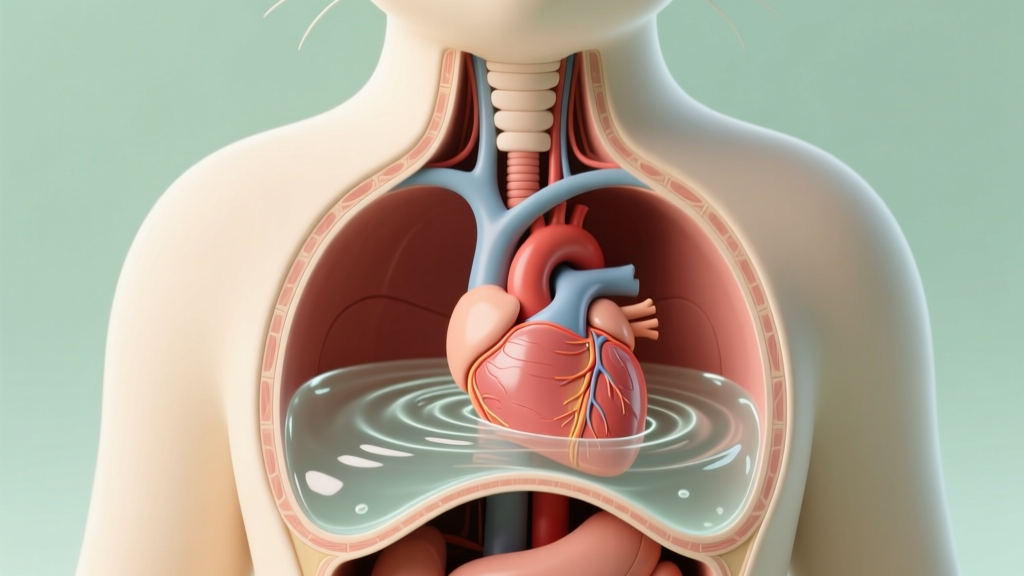
Cat Pericardial Effusion: Fluid Around the Heart
1. Introduction: Why This Topic Matters
Most cat owners know to watch for things like vomiting, sneezing, or changes in appetite. Heart-related problems can be trickier, because cats are experts at hiding early symptoms and they often rest quietly when they don’t feel well. Pericardial effusion—fluid building up in the sac around the heart—is uncommon in cats, but it can become serious quickly if it starts to compress the heart and limit normal pumping.
The good news is that prompt veterinary care can make a major difference. Understanding the warning signs and what your veterinarian may recommend can help you act quickly, stay calm, and support your cat through diagnosis and treatment.
2. Overview: What Is Pericardial Effusion?
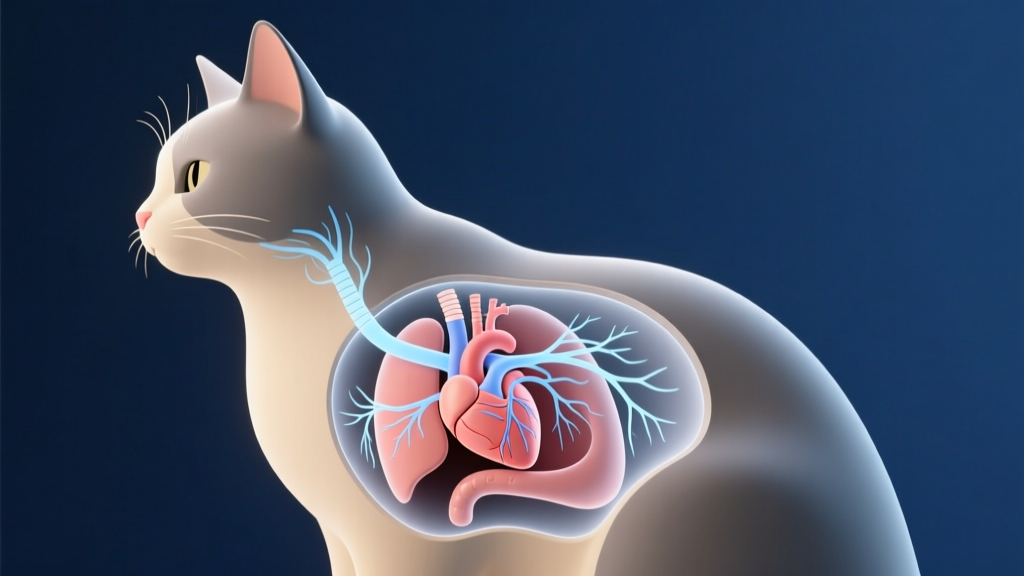
The heart sits inside a thin, protective “bag” called the pericardium. Normally, there’s a very small amount of lubricating fluid between the heart and this sac so the heart can move smoothly as it beats. Pericardial effusion means that too much fluid has collected in that space.
Why does that matter? Because the pericardium doesn’t stretch easily. As fluid accumulates, it can start to squeeze the heart from the outside. When the heart can’t expand properly between beats, it can’t fill with enough blood—so it can’t pump enough blood out to the body. This dangerous situation is called cardiac tamponade.
Pericardial effusion can be:
- Small and slow-building, causing subtle signs or being found incidentally on imaging.
- Rapid or large-volume, causing sudden weakness or breathing distress and requiring urgent care.
The fluid itself can vary, and the type can give clues about the cause:
- Serous (clear) fluid
- Blood (hemorrhagic effusion)
- Pus-like fluid from infection (septic effusion)
- Chylous fluid (milky fluid related to lymphatic leakage, less common)
3. Symptoms and Warning Signs to Watch For
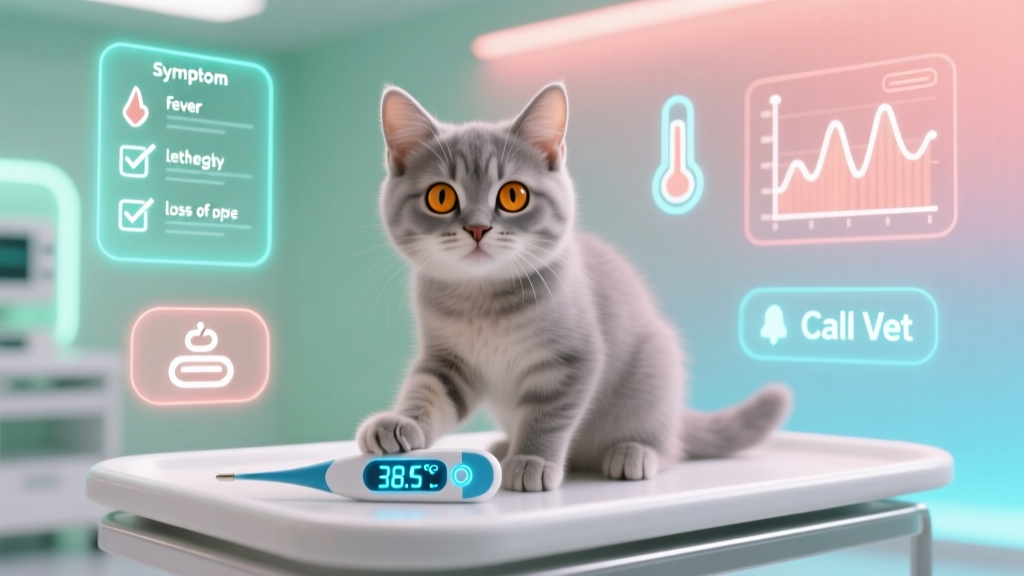
Some cats with mild effusion may show vague signs at first. Others may deteriorate quickly. Contact your veterinarian if you notice any of the following.
Common signs owners may notice
- Breathing changes: faster breathing rate at rest, shallow breaths, increased effort
- Low energy: hiding more, reluctance to play, tiring easily
- Decreased appetite or acting “off”
- Weakness or sudden collapse
- Pale gums (instead of healthy pink)
- Distended belly (fluid buildup in the abdomen in some cases)
Subtle signs that still matter
- Resting more than usual and seeming uncomfortable when picked up
- Reduced grooming or a “scruffy” coat
- Weight loss over weeks to months
- Occasional open-mouth breathing (always abnormal in cats)
Practical at-home check you can do today
- Count your cat’s resting respiratory rate when they’re asleep or very relaxed. Count breaths for 15 seconds and multiply by 4.
- Many healthy cats are under 30 breaths per minute at rest.
- If your cat is consistently over 35–40, or the rate is rising compared to their normal, call your vet the same day.
If you ever see open-mouth breathing, blue/gray gums, collapse, or severe lethargy, treat it as an emergency and seek veterinary care immediately.
4. Causes and Risk Factors
Pericardial effusion is a finding, not a single disease. The next step is figuring out why the fluid is there. In cats, some cases remain “idiopathic” (no clear cause found), but common categories include:
Possible causes
- Cancer (neoplasia): Tumors near the heart or within the pericardium can cause bleeding or fluid production. Examples include lymphoma and other masses in the chest cavity.
- Heart disease: Certain cardiac conditions may be associated with effusions (though pericardial effusion is less common than pleural effusion in many feline heart disease cases).
- Infection or inflammation: Bacterial infection is less common but serious. Viral diseases or inflammatory conditions can also play a role.
- Trauma: A fall, bite wound, or accident may lead to bleeding into the pericardial space.
- Blood clotting disorders: Anything that increases bleeding risk can contribute.
- Heartworm-associated disease: Heartworm is less common in cats than dogs but can still cause significant heart and lung issues.
Risk factors to discuss with your veterinarian
- Known heart murmur or previously diagnosed heart disease
- History of cancer or unexplained weight loss
- Outdoor access (higher risk of trauma, certain infections, and parasite exposure)
- Regions where heartworm is present and lack of preventive medication
5. Diagnosis: What to Expect at the Vet
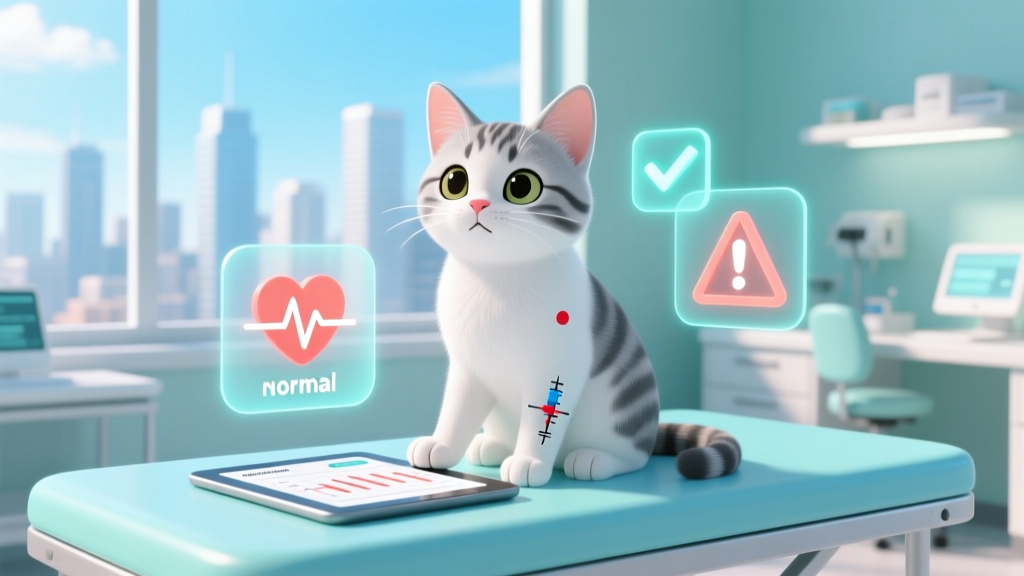
If pericardial effusion is suspected, your veterinarian will focus on stabilizing breathing and circulation first, then confirming the diagnosis and searching for the underlying cause.
Physical exam findings your vet may mention
- Muffled heart sounds (fluid can dampen what’s heard through a stethoscope)
- Weak pulses or signs of poor circulation
- Increased breathing effort or abnormal lung sounds (sometimes due to concurrent fluid around the lungs)
Common diagnostic tests
- Chest X-rays (radiographs): May show an enlarged, rounded heart silhouette or other chest abnormalities. X-rays are helpful but don’t always confirm effusion on their own.
- Echocardiogram (heart ultrasound): This is the best test to confirm pericardial effusion and assess whether the heart is being compressed (tamponade). It can also identify masses and evaluate heart function.
- ECG (electrocardiogram): Evaluates heart rhythm changes that may occur with effusion or secondary stress.
- Bloodwork: Checks red blood cell count (anemia), infection/inflammation markers, organ function, and clotting ability.
- Fluid sampling: If fluid is removed, it may be sent for analysis (cytology, culture) to look for cancer cells, infection, or bleeding patterns.
- Additional imaging: CT or advanced ultrasound may be recommended if a tumor is suspected.
Owner tip: bring any notes about breathing rate trends, fainting episodes, appetite changes, weight loss, and medications or supplements your cat receives. These details help your vet connect the dots faster.
6. Treatment Options (Medical, Surgical, Home Care)
Treatment depends on how unstable the cat is and what caused the effusion. Your veterinarian’s immediate goals are to help your cat breathe comfortably, support circulation, and relieve dangerous pressure on the heart when needed.
Emergency stabilization
- Oxygen therapy to reduce respiratory distress
- Gentle handling and minimized stress (stress can worsen breathing and oxygen needs)
- Careful sedation if procedures are necessary and your cat is anxious or struggling
Pericardiocentesis (removing fluid with a needle)
If the effusion is significant or causing tamponade, the most effective immediate treatment is often pericardiocentesis. Using ultrasound guidance, a veterinarian inserts a needle (or catheter) into the pericardial sac to drain fluid. This can rapidly improve blood flow and breathing.
- Many cats show noticeable improvement soon after drainage.
- Complications are possible (arrhythmias, bleeding), but the procedure is commonly lifesaving when tamponade is present.
- Fluid may return, especially if an underlying cause remains.
Medical management
Medications depend on the cause and your cat’s stability. Your veterinarian may prescribe:
- Pain control if discomfort is present
- Antibiotics if infection is suspected or confirmed
- Anti-inflammatory or immunosuppressive therapy in select inflammatory cases (only under veterinary direction)
- Heart medications if there’s concurrent heart disease or rhythm problems
- Cancer-directed therapy (such as chemotherapy) when appropriate and after diagnosis
Important: Do not give human pain relievers (like ibuprofen, naproxen, acetaminophen) to cats. These can be toxic and may worsen bleeding risk or organ function.
Surgical options
- Pericardiectomy (removing part of the pericardium): Considered when effusion recurs or when long-term management is needed. This is more specialized and may involve referral to a veterinary surgeon.
- Mass removal or biopsy: If a tumor is present and operable, surgery may be discussed, sometimes combined with oncology care.
Home care after treatment
- Give medications exactly as prescribed and ask your vet what side effects to watch for.
- Monitor resting breathing rate daily for 1–2 weeks after discharge (or as directed).
- Encourage quiet rest: keep activity low and avoid stressful introductions or changes in routine.
- Track appetite, water intake, and litter box habits and report changes promptly.
- Schedule recheck imaging if recommended—repeat ultrasound is often how recurrence is detected early.
7. Prevention Strategies and Early Detection Tips
Not all causes of pericardial effusion are preventable, but you can reduce risk and improve early detection.
Actionable steps
- Keep routine wellness visits (at least yearly; twice yearly for seniors). Subtle murmurs, weight loss, or abnormal chest sounds may be caught earlier.
- Use heartworm prevention if your veterinarian recommends it for your region and your cat’s lifestyle—indoor cats can still be exposed.
- Maintain a lean body condition: obesity can complicate breathing and make early changes harder to spot.
- Reduce trauma risk: indoor-only or supervised outdoor time can lower injury risk.
- Know your cat’s baseline: normal appetite, energy level, and resting breathing rate. Changes are easier to recognize when you know “normal.”
8. Prognosis and Quality of Life Considerations
The outlook for a cat with pericardial effusion varies widely, largely depending on the cause and whether the fluid recurs.
- If the effusion is mild and non-recurring: some cats do well long-term with monitoring and occasional rechecks.
- If tamponade occurred but the fluid was successfully drained: many cats feel significantly better quickly, but recurrence risk must be monitored.
- If cancer is the underlying cause: prognosis depends on tumor type, location, and response to treatment. Your vet may recommend staging tests and oncology consultation.
- If infection is the cause: prognosis can be good with rapid diagnosis, drainage when needed, and appropriate antibiotics, but delays can be dangerous.
Quality of life matters as much as test results. Ask your veterinarian about:
- Expected comfort level and breathing at home
- How often rechecks are needed
- Signs that mean treatment isn’t controlling the condition
- Palliative care options if a cure isn’t possible
9. When to Seek Emergency Veterinary Care
Pericardial effusion can become urgent quickly if the heart is being compressed. Go to an emergency veterinarian immediately if you see:
- Open-mouth breathing or labored breathing
- Blue, gray, or very pale gums
- Collapse, fainting, or inability to stand
- Sudden extreme weakness
- Rapid breathing at rest that is persistent or worsening
If you’re unsure, it’s safer to call an emergency clinic and describe your cat’s breathing and behavior. Cats in respiratory distress can worsen with stress, so transport them calmly in a carrier, keep the car quiet, and avoid forcing them into uncomfortable positions.
10. FAQ: Common Questions Cat Owners Ask
Can pericardial effusion go away on its own?
Occasionally a small effusion may remain stable or resolve, depending on the cause. However, because fluid can increase and begin compressing the heart, any suspected pericardial effusion needs veterinary evaluation and monitoring. Don’t wait for it to “clear up” without guidance.
Is pericardiocentesis painful or dangerous?
Your veterinarian takes steps to keep your cat comfortable, often with local anesthesia and/or light sedation when appropriate. Any procedure has risks, but when the heart is being compressed, draining the fluid can be lifesaving. Your vet will discuss benefits and risks based on your cat’s condition.
How is pericardial effusion different from fluid in the lungs?
Pericardial effusion is fluid around the heart. Fluid “in the lungs” usually refers to pulmonary edema, while fluid around the lungs is pleural effusion. These conditions can cause similar breathing signs, but they’re treated differently—this is one reason imaging (X-rays/ultrasound) is so important.
Will my cat need long-term medication?
Some cats do, especially if there’s underlying heart disease, inflammation, or cancer. Others may only need short-term supportive care after drainage. The long-term plan depends on recurrence and the diagnosed cause.
Can stress make it worse?
Stress doesn’t cause pericardial effusion, but it can worsen breathing effort and oxygen demand in a cat who is already compromised. Keeping your cat calm and seeking veterinary care promptly are both helpful.
What can I do right now if I’m worried?
- Count your cat’s resting respiratory rate and write it down.
- Check gum color (healthy is generally pink) and note any paleness.
- Limit activity and stress.
- Call your veterinarian for same-day advice—especially if breathing is faster than normal or your cat seems weak.
If your cat is showing symptoms that could involve the heart or breathing, professional evaluation is always the safest path. For more caring, vet-informed cat health guides and tips, visit catloversbase.com.