Feline Diabetes Early Warning Signs You Must Know
Increased Thirst and Urination
Cats with early diabetes often drink more than 60 mL/kg/day—roughly double their normal intake. This triggers frequent urination, sometimes outside the litter box. A 2023 Cornell Feline Health Center study found that 82% of newly diagnosed diabetic cats showed polydipsia (excessive thirst) before diagnosis.
Unexplained Weight Loss Despite Normal Appetite
Your cat may eat well but lose 10–15% of body weight over 4–6 weeks. This occurs because insulin deficiency prevents glucose uptake into cells, forcing the body to break down fat and muscle. Dr. Sarah Waddell, DVM, DACVIM (2022), notes this is the second-most common early sign in senior cats aged 9–13 years.
Lethargy and Weakness
Diabetic cats often sleep 18–20 hours daily and resist jumping or climbing. Hind limb weakness—sometimes called 'plantigrade stance'—appears in up to 30% of cases due to diabetic neuropathy. This can progress to inability to stand without support within days if untreated.
Changes in Grooming and Coat Condition
A dull, flaky, or greasy coat signals metabolic imbalance. Over-grooming of the hindquarters may indicate nerve discomfort. In a 2021 UC Davis Veterinary Medicine survey, 67% of owners reported reduced self-grooming as an early red flag.
Veterinary Testing and Emergency Triggers
Confirm diagnosis with fasting blood glucose (>250 mg/dL) and fructosamine (>400 µmol/L). If your cat vomits, collapses, or develops acetone-smelling breath (like nail polish remover), seek emergency care immediately—these signal diabetic ketoacidosis (DKA), which has a 25% mortality rate without ICU treatment (AAHA Canine and Feline Diabetes Management Guidelines, 2024).
Real-world example: Bella, a 12-year-old domestic shorthair, began urinating in her owner’s bathroom sink. Her water bowl emptied twice daily, and she lost 1.2 lbs in three weeks. Her vet ran a fructosamine test (428 µmol/L) and started insulin therapy within 48 hours.
Real-world example: Max, an 8-year-old neutered male, developed wobbly back legs and stopped using his scratching post. His fasting glucose was 312 mg/dL; he was diagnosed with Type II diabetes and responded to diet change (Hill’s m/d Dry) and once-daily glargine insulin.
Prevention matters: Feed low-carbohydrate (<8% metabolizable energy) diets like Purina Pro Plan Veterinary Diets DM (launched 2020). Maintain ideal body condition—overweight cats are 4× more likely to develop diabetes (Journal of Feline Medicine and Surgery, 2021).
Senior cats (7+ years) should receive biannual wellness exams including blood glucose and urine glucose checks. Early intervention improves remission rates: 40–60% of newly diagnosed cats achieve insulin-free remission when treated within 30 days of symptom onset (ISFM Consensus Guidelines, 2023).
| Symptom | Typical Onset | Action Threshold |
|---|---|---|
| Drinking >1 cup water/day (for 10-lb cat) | Days to weeks | Vet visit within 72 hours |
| Weight loss >0.5 lb in 2 weeks | 1–3 weeks | Urine dipstick test same-day |
| Urinating outside litter box ≥2x/week | 1–4 weeks | Bloodwork within 5 days |
"Don’t wait for weight loss to become dramatic. By the time a cat loses 10% of body mass, pancreatic beta-cell function may be irreversibly compromised." — Dr. Elena Ruiz, DVM, DACVIM, 2022
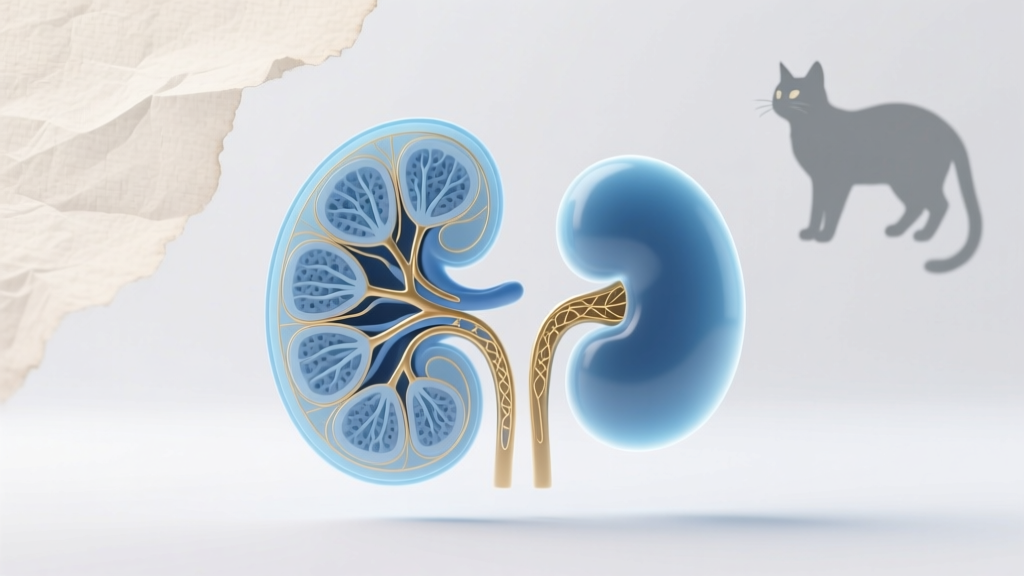
Monitor at home using a digital scale weekly and log water intake. Keep a symptom journal noting timing, frequency, and severity. Share it with your veterinarian—this helps distinguish diabetes from kidney disease or hyperthyroidism, which share overlapping signs.
Early detection saves lives: Cats diagnosed before severe complications develop have median survival times exceeding 36 months (compared to <6 months with DKA at diagnosis). Start watching today—your vigilance is the first line of defense.