Feline FIV Positive Cat Multi-Cat Household Management
1. Introduction: Why this topic matters in real life
Finding out your cat is FIV-positive can feel overwhelming, especially if you share your home with multiple cats. Most cat owners immediately worry about two things: “Will my other cats catch it?” and “Can my FIV-positive cat still live a long, comfortable life?” The good news is that many FIV-positive cats do very well for years, and with the right household setup, it’s often possible to safely keep an FIV-positive cat with other cats.
This guide explains FIV in plain language, what it means day-to-day, and how to manage a multi-cat household thoughtfully. You’ll also find practical steps you can start today, along with clear points on when to loop in your veterinarian.
2. Overview: What FIV is (and what it isn’t)
FIV stands for Feline Immunodeficiency Virus. It’s a virus that affects a cat’s immune system, meaning it can reduce the body’s ability to fight certain infections over time. FIV is sometimes compared to HIV in humans because it targets immune cells, but FIV is species-specific: it infects cats only. People and dogs cannot catch FIV from a cat.
Many FIV-positive cats live normal lives, especially when kept indoors, fed well, and given regular veterinary care. Some cats never develop major illness; others may become more prone to infections (such as dental disease, skin infections, or respiratory infections), particularly later in life.
How FIV spreads (plain-language version)
- Most commonly: Deep bite wounds that inject infected saliva under the skin.
- Less commonly: Rare transmission can occur from an infected mother cat to kittens, usually around birth or nursing.
- Very unlikely: Casual contact like sharing bowls, grooming, sleeping near each other, or using the same litter box.
This is why household management focuses on preventing fighting and bite wounds, not isolating cats who peacefully coexist.
3. Symptoms and warning signs to watch for
FIV itself doesn’t always cause obvious symptoms right away. Many cats look completely healthy for years. When problems occur, they’re often related to a weakened immune response.
Common signs seen in FIV-positive cats
- Recurring mouth issues: bad breath, red gums, dental pain, drooling, trouble eating
- Frequent respiratory signs: sneezing, nasal discharge, chronic congestion
- Skin or ear infections: itchiness, scabs, hair loss, recurrent ear debris or odor
- Digestive upset: chronic diarrhea, vomiting, reduced appetite
- Weight loss or loss of muscle mass
- Persistent swollen lymph nodes (you might notice “lumps” under the jaw or in front of shoulders)
- Lethargy or reduced interest in play
- Slow healing from minor wounds
Warning signs that deserve a prompt vet appointment
- Not eating for 24 hours (or eating significantly less for 2–3 days)
- Visible dental pain (pawing at mouth, dropping food)
- Any abscess, puncture wound, or swelling after a scuffle
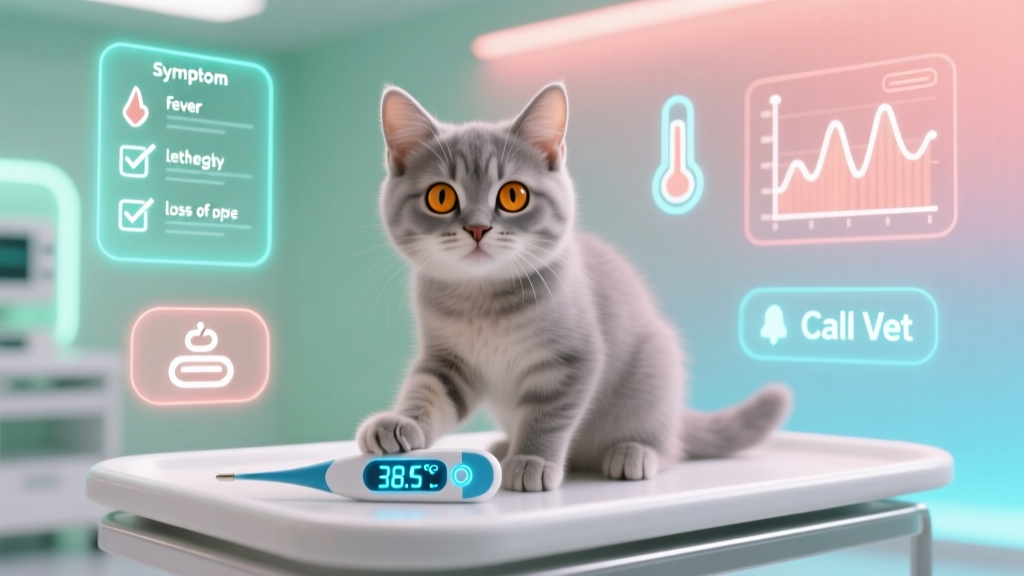
- Fever, hiding, or sudden behavior changes
4. Causes and risk factors
FIV is caused by infection with the feline immunodeficiency virus. The key risk factor is exposure to infected saliva through a bite.
Cats at higher risk
- Unneutered male cats (more likely to roam and fight)
- Outdoor or indoor/outdoor cats
- Cats with a history of fight wounds or abscesses
- Cats from environments with frequent close contact and stress (some shelters, colonies), primarily if fighting occurs
Multi-cat household risk factors
- Personality mismatch leading to aggression
- Resource competition (not enough litter boxes, food stations, resting spots)
- Poor introductions or sudden changes in the home (moving, new pets, remodeling)
5. Diagnosis: What to expect at the vet
FIV is diagnosed with a blood test. Your veterinarian may use a quick in-clinic screening test (often called an ELISA or “snap” test). Depending on the situation, confirmatory testing may be recommended.
Common testing steps
- Initial screening test: A small blood sample, results often the same day.
- Confirmatory test (if needed): Another type of test may be sent to a lab, especially if results are unexpected or the cat is a kitten.
Why confirmatory testing matters
- Kittens: Young kittens can sometimes test positive due to maternal antibodies rather than true infection. Your vet may recommend retesting at an older age.
- Low-risk cats with a surprise positive: A confirmatory test helps ensure the result is accurate.
Additional baseline checks your vet may suggest
- Complete blood count (CBC) and chemistry panel to assess organ function and immune status
- Urinalysis
- FeLV testing (Feline Leukemia Virus) because co-infection changes management
- Dental exam and treatment plan, since oral disease is common in FIV-positive cats
6. Treatment options: Medical care, home care, and household management
There is no single cure that eliminates FIV from the body. Management focuses on keeping your cat healthy, reducing exposure to infections, and treating problems early. Think of it as “immune-friendly living” with proactive veterinary support.
Medical treatment (what your vet may use)
- Treatment of secondary infections: antibiotics, antifungals, or antiparasitics as needed
- Dental care: professional dental cleaning, extractions if necessary, pain control
- Anti-inflammatory or immune-modulating medications: in select cases, depending on symptoms and labwork
- Supportive care: fluids, nausea control, appetite support during illness
Medication choices depend on your cat’s specific needs. Always consult your veterinarian before starting supplements or leftover medications from other pets.
Surgical treatment
- Dental extractions may be recommended for severe stomatitis or painful tooth disease.
- Occasionally, abscess drainage or wound management may require procedures.
Home care: daily actions that make a big difference
- Keep your FIV-positive cat indoors to reduce exposure to pathogens and prevent fights that could spread FIV.
- Feed a balanced, high-quality diet. Ask your vet which diet fits your cat’s age and health status.
- Avoid feeding raw diets unless your veterinarian specifically recommends it. Cats with immune compromise may be more vulnerable to foodborne bacteria.
- Maintain excellent parasite control (fleas, ticks, intestinal parasites) using vet-recommended products.
- Reduce stress with predictable routines, safe hiding spots, and interactive play.
- Track baseline habits: appetite, weight, litter box output, grooming, and energy. Small changes can be early clues.
Multi-cat household management (the practical “how-to”)
In most stable, non-aggressive households, FIV-positive and FIV-negative cats can live together safely. The goal is to prevent bite wounds and keep overall health strong for everyone.
1) Prevent fighting and bite wounds
- Neuter/spay all cats in the home to reduce hormone-driven aggression.
- Use slow introductions if you’re adding a new cat. Separate spaces at first, scent swapping, then gradual supervised meetings.
- Identify tension early: stalking, blocking doorways, staring, cornering, swatting. Address it before a bite occurs.
- Consider behavior support (vet guidance, feline behaviorist) if aggression persists.
2) Set up resources to reduce competition
- Litter boxes: Aim for one per cat plus one extra, spread across the home.
- Food and water stations: Multiple locations so no cat can “guard” access.
- Vertical space: Cat trees, shelves, window perches to allow cats to avoid each other peacefully.
- Resting areas: Several cozy beds and hiding spots.
3) Hygiene and shared items
- Routine cleaning is enough; you do not need medical-grade disinfecting for normal cohabitation.
- Sharing bowls and litter boxes is not considered a major FIV transmission route, but individual bowls can reduce stress and prevent food guarding.
4) New cat decisions: testing and risk discussion
- Any new cat should be tested for FIV and FeLV and have a vet exam before introductions.
- If your household includes cats who are prone to fighting, talk to your vet about whether separate living arrangements are safer.
7. Prevention strategies and early detection tips
For households with an FIV-positive cat, prevention is about limiting bite exposure and keeping every cat healthy.
Actionable prevention checklist
- Keep cats indoors or use secure catios/leash training to prevent roaming and fights.
- Spay/neuter all cats to reduce aggression and roaming behavior.
- Schedule regular wellness exams (often every 6 months for FIV-positive cats, depending on age and health).
- Stay current on vaccinations based on your veterinarian’s risk assessment.
- Do routine dental care at home if your vet approves (tooth brushing, dental diets or treats as recommended).
- Weigh your cat monthly (a baby scale works well). Unplanned weight loss is an early red flag.
- Watch for subtle changes: less grooming, smaller appetite, quieter behavior, mild congestion, bad breath.
What about the FIV vaccine?
Availability and recommendations vary by region, and vaccination can complicate testing interpretation (vaccinated cats may test positive on some screening tests). If you’re considering vaccination for an FIV-negative cat living with an FIV-positive cat, discuss it with your veterinarian so you can weigh the household’s fighting risk, lifestyle, and local vaccine options.
8. Prognosis and quality of life considerations
Many FIV-positive cats have a good prognosis, especially when:
- They live indoors
- They receive prompt treatment when sick
- Dental disease is managed early
- They have good nutrition and low stress
Quality of life is often excellent. A caring home, consistent routines, and a proactive relationship with your veterinarian can make an enormous difference. For multi-cat households, harmony is health: fewer fights and less stress supports immune function for everyone.
Helpful mindset shift
FIV-positive is not a sentence—it’s a medical condition that needs smart management. Many owners find that after the initial diagnosis, daily life becomes routine: good food, calm environment, and quick vet visits when something seems “off.”
9. When to seek emergency veterinary care
Contact an emergency clinic or your veterinarian right away if your cat shows any of the following:
- Difficulty breathing, open-mouth breathing, or blue/pale gums
- Collapse, severe weakness, or inability to stand
- Not urinating or repeated straining in the litter box (especially in male cats)
- Seizures, severe disorientation, or sudden inability to walk normally
- Profuse vomiting or vomiting with blood
- Suspected bite wound with rapid swelling, pain, fever, or pus (abscesses can worsen quickly)
- Refusal to eat for more than 24 hours, especially if paired with lethargy
If you’re unsure whether it’s an emergency, call your veterinary clinic—getting guidance early is always safer.
10. FAQ: Common questions from multi-cat homes
Can my FIV-positive cat live with my FIV-negative cats?
Often, yes—if the cats get along and do not fight. FIV is mainly transmitted through deep bite wounds. Peaceful cats who share space, groom, and sleep near each other are unlikely to spread FIV through casual contact. If your cats have ongoing aggression, talk with your vet about behavior strategies or safer separation plans.
Should I separate food bowls, water, and litter boxes?
FIV is not commonly spread through sharing these items. That said, providing multiple bowls and litter boxes is a great idea in any multi-cat home because it reduces stress and competition. Less stress and fewer conflicts benefits everyone, especially an FIV-positive cat.
Does an FIV-positive cat need different vaccinations?
Vaccination plans should be individualized. Many FIV-positive cats still benefit from core vaccines, but timing and product choices depend on age, lifestyle, and health status. Work with your veterinarian to create a plan that supports protection without unnecessary immune stimulation.
How often should an FIV-positive cat see the vet?
Many veterinarians recommend wellness checks every 6 months for FIV-positive cats, plus visits any time you notice changes in appetite, weight, mouth comfort, skin, or litter box habits. Regular monitoring helps catch treatable problems early.
Can my other cats be tested, and how often?
Yes. If you have an FIV-positive cat in the home, ask your veterinarian about testing the other cats now (to establish baseline status) and retesting later if there has been fighting or bite wounds. Any new cat entering the home should be tested before introductions.
What’s the single most helpful thing I can do at home starting today?
Focus on two areas: prevent fighting (resource setup, calm introductions, spay/neuter, behavior support) and monitor health (monthly weight checks, watch eating and grooming habits, and schedule regular vet care). If you notice early changes, call your veterinarian—prompt treatment is one of the best tools for keeping an FIV-positive cat thriving.
If your cat is FIV-positive, your veterinarian is your best partner for building a plan that fits your household and your cat’s personality, age, and medical needs. For more supportive, practical cat health guidance, visit catloversbase.com for additional resources.