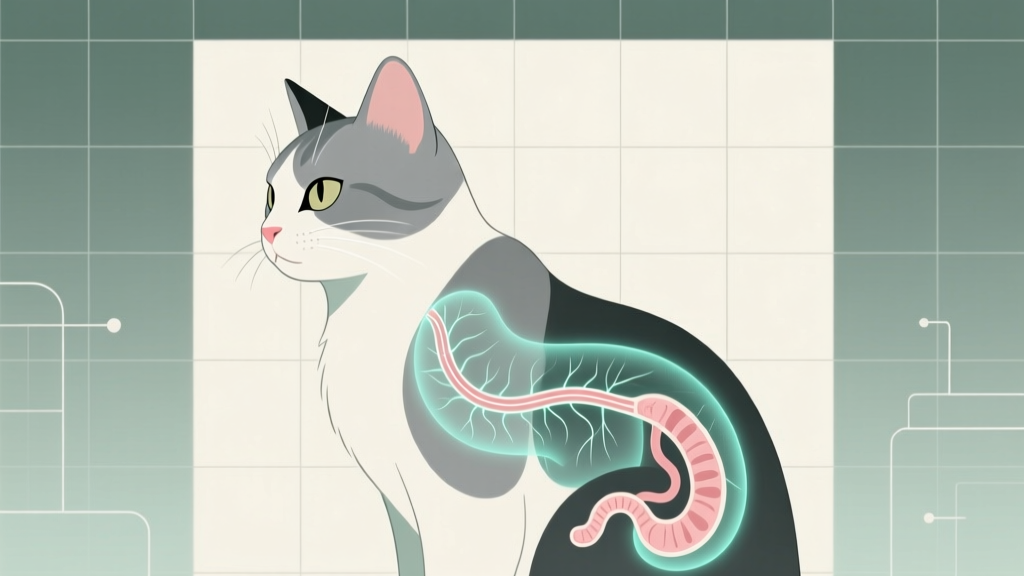
Cat Persistent Mullerian Duct Syndrome: Intersex Condition
1. Why this topic matters to cat owners
Most cat owners expect a simple answer when the vet says a kitten is male or female. Persistent Mullerian Duct Syndrome (PMDS) can complicate that picture. PMDS is an intersex condition where a cat that appears male on the outside may also have internal female reproductive structures. Many cats with PMDS act totally normal and may only be diagnosed during a neuter surgery, an ultrasound, or when a health issue like urinary trouble or an abdominal mass shows up.
Understanding PMDS helps you:
- Recognize warning signs early (especially urinary or abdominal issues)
- Make informed decisions about neutering/spaying and follow-up care
- Reduce the risk of complications, including infections and reproductive-tract problems
If you suspect anything unusual about your cat’s anatomy, behavior, or urination, a veterinary exam is the safest next step. PMDS is manageable, and many affected cats enjoy a great quality of life with appropriate care.
2. Overview: What is Persistent Mullerian Duct Syndrome?
To understand PMDS, it helps to know a little about fetal development. Early in development, mammal embryos have the potential to form either male or female internal reproductive structures. Two “duct systems” are involved:
- Müllerian ducts: can develop into uterus, fallopian tubes, cervix, and upper vagina
- Wolffian ducts: can develop into male internal reproductive structures (like parts of the epididymis and vas deferens)
In typical male development, the testes produce hormones that guide the body to develop male structures and cause the Müllerian ducts to regress. In PMDS, that regression doesn’t happen fully. As a result, a genetically male cat (often with a typical male appearance externally) may retain some or all of the internal female tract, such as a uterus-like structure.
PMDS is considered an intersex condition (also called a disorder/difference of sex development, DSD). Intersex conditions are medical variations in reproductive anatomy or chromosomal/hormonal development. They are not caused by anything you did as an owner.
How PMDS may look in cats:
- Externally male genitalia, possibly normal in appearance
- One or both testes may be undescended (cryptorchidism), or testes may be present
- Internal female structures may be present (uterus-like horns, cervix-like tissue)
- Fertility is often reduced, and breeding is not recommended
3. Symptoms and warning signs to watch for
Some cats with PMDS have no obvious symptoms. Others develop issues related to retained internal structures or abnormal positioning of organs.
Possible signs you may notice at home
- Undescended testicle(s): one or both testes not visible in the scrotum (especially in a “male” kitten older than ~6 months)
- Unusual genital appearance: a smaller-than-expected penis, abnormal prepuce, or ambiguous-looking genital area
- Urinary signs:
- Straining to urinate
- Frequent trips to the litter box
- Blood in urine
- Accidents outside the litter box
- Abdominal discomfort: sensitivity when picked up, hunched posture, decreased activity
- Vomiting, decreased appetite, or lethargy (non-specific, but can occur with infection or pain)
- Recurrent infections or unexplained fevers
What a veterinarian may find
- Cryptorchidism (undescended testes)
- A mass or tubular structure in the abdomen
- Enlarged prostate-like tissue or reproductive tract abnormalities
- Hormone-related signs (variable; not always present)
Practical tip: If your cat is labeled male but you cannot feel/see both testes by 5–6 months of age, schedule a vet visit. Cryptorchidism alone deserves follow-up, and it can sometimes appear alongside PMDS.
4. Causes and risk factors
PMDS is typically linked to a developmental/hormonal signaling issue during fetal development that prevents normal regression of Müllerian ducts in a genetically male animal. In other species, PMDS can be inherited. In cats, it’s considered rare and not as well characterized as in some dog breeds, but a genetic component is possible.
Potential risk factors
- Congenital (born-with) variation: PMDS is present from birth
- Cryptorchidism: may be seen together with other sex-development differences
- Family history: if littermates have genital/reproductive abnormalities, tell your vet
Nothing in routine home care causes PMDS. Diet, litter type, and normal household exposures are not known causes.
5. Diagnosis: what to expect at the vet
Diagnosing PMDS usually involves a combination of physical exam, imaging, and sometimes lab testing. Many cases are discovered during a planned neuter when unexpected internal structures are found.
Common diagnostic steps
- Physical examination
- Checking the genital area
- Palpating for testes in the scrotum and inguinal region
- Abdominal palpation for masses or discomfort
- Ultrasound
- Helps identify retained testes
- May detect uterus-like structures, fluid-filled tissue, or abnormalities
- X-rays (radiographs)
- Useful if there is a mass, abnormal organ position, or suspicion of complications
- Bloodwork and urinalysis
- Checks for infection, inflammation, kidney function, and urinary issues
- Hormone testing (in select cases)
- May help clarify gonadal function
- Genetic/chromosome testing (specialty testing)
- Can help confirm underlying sex development; availability varies
- Exploratory surgery
- Sometimes the most definitive way to identify internal reproductive anatomy
What to ask your veterinarian:
- “Do you suspect cryptorchidism or an intersex condition?”
- “Would an ultrasound before surgery help plan the procedure?”
- “If you find abnormal structures during neuter, will you remove them in the same procedure?”
- “Should my cat see a surgical specialist?”
6. Treatment options (medical, surgical, and home care)
Treatment depends on what structures are present and whether your cat has symptoms or complications. Many cats do best with surgical management, especially if undescended testes or uterus-like structures are present.
Surgical treatment
- Neuter (orchiectomy):
- Recommended for cats with PMDS and for cryptorchid cats
- Undescended testes have a higher risk of torsion and potential tumor development over time
- Removal of Müllerian structures (if present and feasible):
- May reduce risk of infection, cysts, fluid buildup, or future complications
- Surgical approach varies depending on anatomy and attachment to nearby organs
- Referral to a specialist:
- Board-certified surgeons may be recommended for complex anatomy
Medical management
- Pain control after surgery or for associated discomfort (only vet-prescribed medications)
- Antibiotics if there is an infection (based on exam and testing)
- Supportive care for urinary issues, depending on cause
Home care you can do right away
- Monitor litter box habits: track frequency, volume, and any straining or blood
- Keep hydration high:
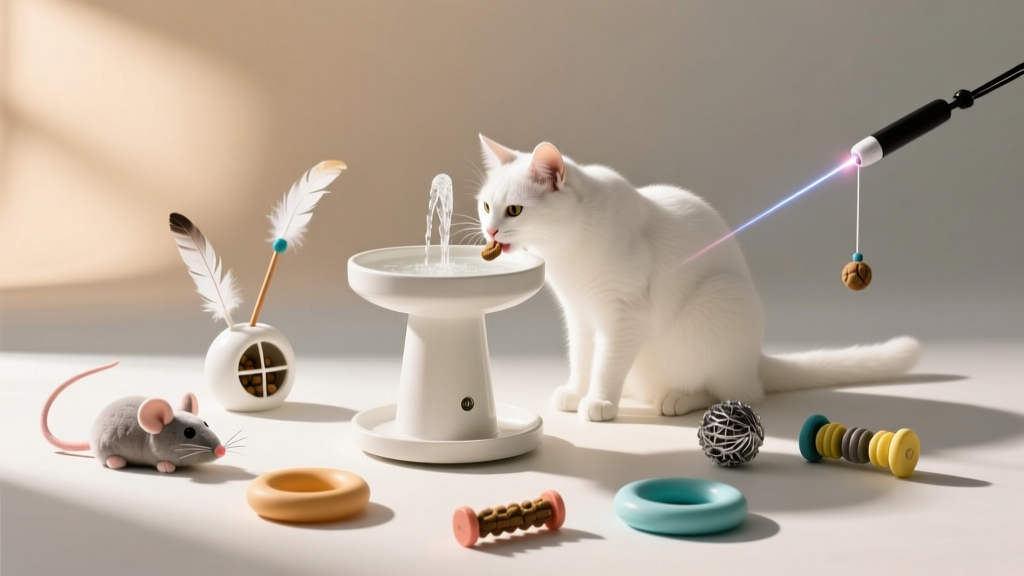
- Offer fresh water in multiple locations
- Consider a water fountain
- If your vet agrees, incorporate more wet food for urinary support
- Post-surgery care (if your cat has surgery):
- Use an e-collar or recovery suit as directed
- Limit jumping/running until cleared
- Check the incision daily for swelling, discharge, or opening
- Do not attempt at-home “sexing” interventions: never probe or manipulate the genital area—leave evaluation to a veterinarian
Always consult your veterinarian for a tailored plan. PMDS can look different from cat to cat, and treatment is safest when based on imaging and surgical findings.
7. Prevention strategies and early detection tips
You can’t prevent PMDS from occurring because it’s congenital. What you can do is reduce the risk of complications through early detection and appropriate veterinary care.
Early detection and prevention of complications
- Schedule kitten exams and ask the vet to confirm sex and check for two descended testes in males
- Plan neutering at an appropriate age (your vet will advise based on growth and health)
- Follow up on cryptorchidism: undescended testes should not be left in place long-term
- Watch urinary health closely:
- Keep litter boxes clean and accessible
- Reduce stress (routine, safe hiding places, gradual changes)
- Feed a vet-recommended diet if urinary issues are present
- Avoid breeding cats with suspected intersex conditions or cryptorchidism, as hereditary factors may play a role
8. Prognosis and quality of life considerations
The outlook for cats with PMDS is often very good, especially when the condition is identified early and managed appropriately. Many cats live normal, happy lives after surgery.
Factors that influence prognosis
- Presence of complications (infection, torsion, urinary obstruction, masses)
- Whether undescended testes are removed
- Complexity of internal anatomy and surgical feasibility
- Overall urinary tract health (especially in male cats prone to urinary blockage)
Quality of life is typically excellent with:
- Timely neutering and removal of problematic structures
- Routine vet care and monitoring
- Prompt attention to urinary signs
9. When to seek emergency veterinary care
Some signs should be treated as urgent, whether or not PMDS is suspected. If you notice any of the following, contact an emergency vet immediately:
- Straining to urinate with little or no urine produced (possible urinary obstruction)
- Crying out, severe discomfort, or repeated trips to the litter box with minimal output
- Sudden abdominal swelling or severe abdominal pain
- Collapse, extreme lethargy, pale gums
- Persistent vomiting or inability to keep water down
- Fever with marked lethargy or painful abdomen
Male cats can become critically ill quickly if they can’t urinate. Don’t wait overnight to “see if it improves.”
10. FAQ: Common questions about PMDS in cats
Can my cat with PMDS live a normal life?
Often, yes. Many cats do very well, especially if undescended testes and any problematic internal structures are removed and urinary issues are addressed early. Your veterinarian can guide follow-up based on your cat’s anatomy and symptoms.
Will my cat’s behavior change after treatment?
If your cat is neutered, you may see typical post-neuter changes such as reduced roaming, spraying, or hormone-driven behaviors. PMDS itself doesn’t predict temperament. Pain or urinary discomfort can affect behavior, so treating underlying issues often improves comfort and mood.
Is PMDS the same thing as being “both male and female”?
PMDS is an intersex condition where a cat that is typically genetically male may retain internal female reproductive structures. External appearance may be male. Intersex conditions are complex, and your vet may use imaging or testing to describe what structures are present in your individual cat.
Does PMDS mean my cat is fertile?
Fertility is often reduced or absent, and breeding is not recommended. Even if fertility were possible, breeding cats with suspected inherited reproductive abnormalities can pass risks to offspring. Talk with your veterinarian if breeding is a concern.
My vet found something unusual during a neuter—what questions should I ask?
- “What structures did you find, and were they removed?”
- “Should we do an ultrasound or pathology testing?”
- “Are there any long-term risks we should monitor for?”
- “Do you recommend a recheck schedule?”
Is PMDS painful for cats?
PMDS itself may not cause pain. Pain usually comes from complications such as infections, torsion of an undescended testicle, pressure from abnormal structures, or urinary tract problems. If your cat shows signs of discomfort, a vet exam is the right move.
If you’re worried your cat may have PMDS or any intersex condition, schedule an appointment with your veterinarian. Getting clarity through a professional exam and imaging is the most reassuring path forward. For more practical cat health guides, symptom check tips, and care resources, visit catloversbase.com.