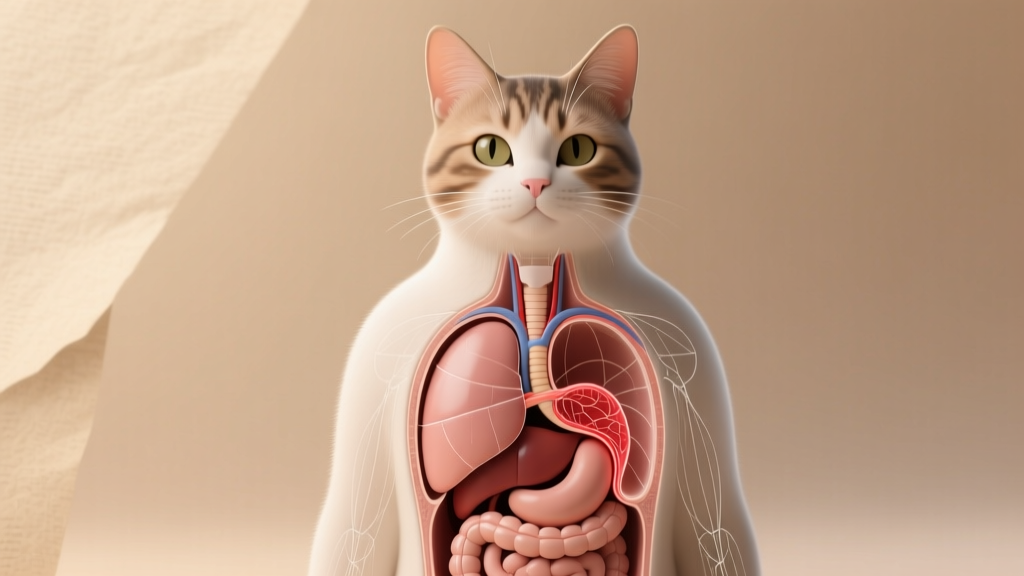
Cat Vomiting vs Regurgitation Guide
Understanding the Difference
Cats expel food for many reasons, but vomiting and regurgitation are different processes with different causes and treatments.
What Is Vomiting?
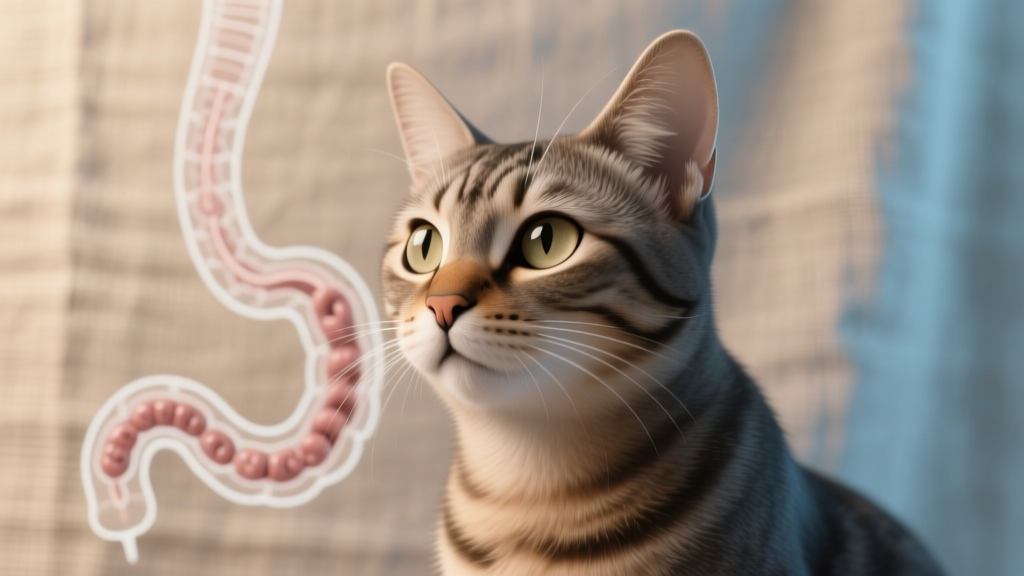
Vomiting is an active process involving abdominal contractions. The cat appears to heave before expelling partially digested food mixed with bile or stomach acid. It often comes from the stomach or upper intestine.
What Is Regurgitation?
Regurgitation is passive—food comes up without effort, usually within minutes of eating. The food is undigested and tubular in shape. It originates from the esophagus.
Common Causes of Vomiting
- Eating too fast
- Hairballs
- Dietary indiscretion (eating plants or bugs)
- Food allergies or intolerances
- Infections or parasites
- Kidney or liver disease
Common Causes of Regurgitation
- Eating too quickly (esophageal overload)
- Esophageal disorders (megaesophagus)
- Foreign body obstruction
- Acid reflux
When to See a Vet
Seek veterinary care if vomiting occurs more than twice in 24 hours, contains blood, or is accompanied by lethargy, diarrhea, or refusal to eat. Regurgitation happening repeatedly warrants an esophageal evaluation.
Home Management
For occasional vomiting: try smaller, more frequent meals, slow-feed bowls, or a hairball remedy. For regurgitation: elevate the food bowl and feed smaller portions.