Cat Dental Disease: 7 Signs You Shouldnt Ignore
The Silent Epidemic
Dental disease is the most common clinical condition in cats, affecting approximately 70% of cats by age 3. Cats hide oral pain remarkably well.
Sign 1: Bad Breath (Halitosis)
Occasional tuna breath is normal. Persistent foul odor indicates bacterial buildup. Schedule a dental exam if breath smells putrid consistently.
Sign 2: Dropping Food While Eating
Cats with dental pain may approach food enthusiastically but drop kibble, chew on one side, or eat noticeably slower.
Sign 3: Red or Swollen Gums
Healthy cat gums are pink. Red, swollen, or bleeding gums indicate gingivitis—the earliest stage. This stage is reversible with professional cleaning.
Sign 4: Pawing at the Mouth
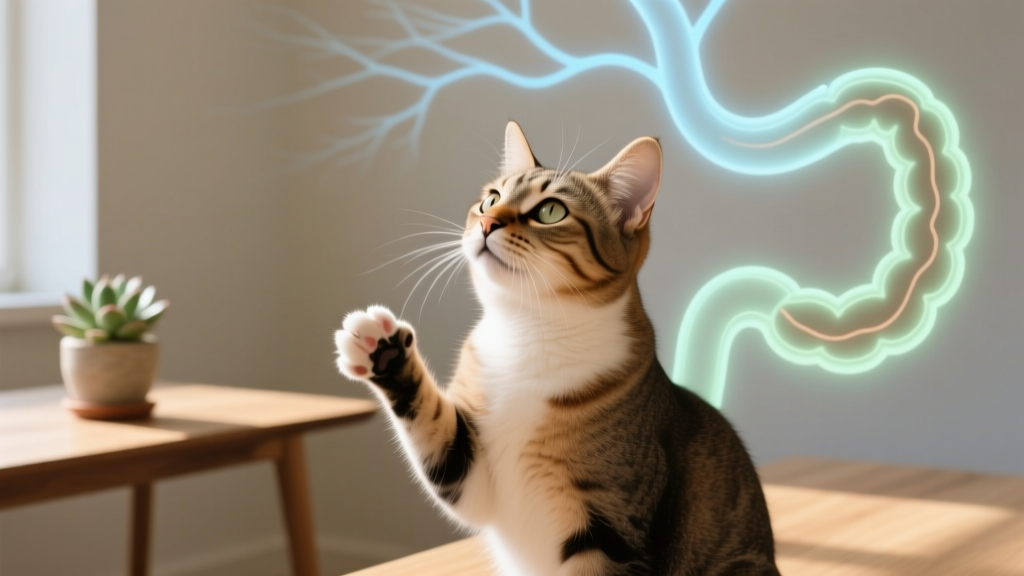
Frequent pawing, head shaking, or facial rubbing suggests oral discomfort.
Sign 5: Visible Tartar
Yellow-brown crust along the gumline is tartar. Once formed, it can only be removed by professional scaling under anesthesia.
Sign 6: Tooth Resorption
Feline tooth resorption (FORL) affects 30-70% of adult cats. Only dental X-rays can detect early resorption.
Sign 7: Weight Loss or Behavior Changes
Chronic dental pain causes weight loss, irritability, reduced grooming, and social withdrawal. These are late-stage signs.
Prevention Strategies
Daily tooth brushing with cat-specific toothpaste is the gold standard. Annual veterinary dental exams with X-rays catch problems early.