Cat Kidney Disease: Early Detection Saves Lives
The Most Common Killer of Senior Cats
Chronic kidney disease (CKD) affects approximately 30-40% of cats over 10 years old and 50%+ of cats over 15. The kidneys gradually lose their ability to filter waste, concentrate urine, and regulate electrolytes. Early detection and management can add years to your cat's life.
Early Signs (Easy to Miss)
- Increased thirst: Larger water bowl visits, drinking from unusual sources (faucets, toilets).
- Larger urine clumps: Kidneys lose the ability to concentrate urine, producing more dilute output.
- Weight loss: Gradual, over months. Muscle wasting along the spine.
- Decreased appetite: Nausea from toxin buildup reduces interest in food.
- Occasional vomiting: Usually in the morning, often clear or foamy fluid.
The IRIS Staging System
Vets use the International Renal Interest Society staging (1-4) based on blood creatinine levels and urine protein:
- Stage 1: Normal creatinine but abnormal urine concentration. Often caught only on routine blood work.
- Stage 2: Mild kidney insufficiency. Most cats look and act normal.
- Stage 3: Moderate insufficiency. Clinical signs become apparent.
- Stage 4: Severe kidney failure. Significant symptoms and quality of life impact.
Management Strategies
Diet
Prescription kidney diets are low in phosphorus and contain moderate, high-quality protein. They reduce kidney workload and slow disease progression. Studies show cats on kidney diets live twice as long as those on regular food.
Hydration
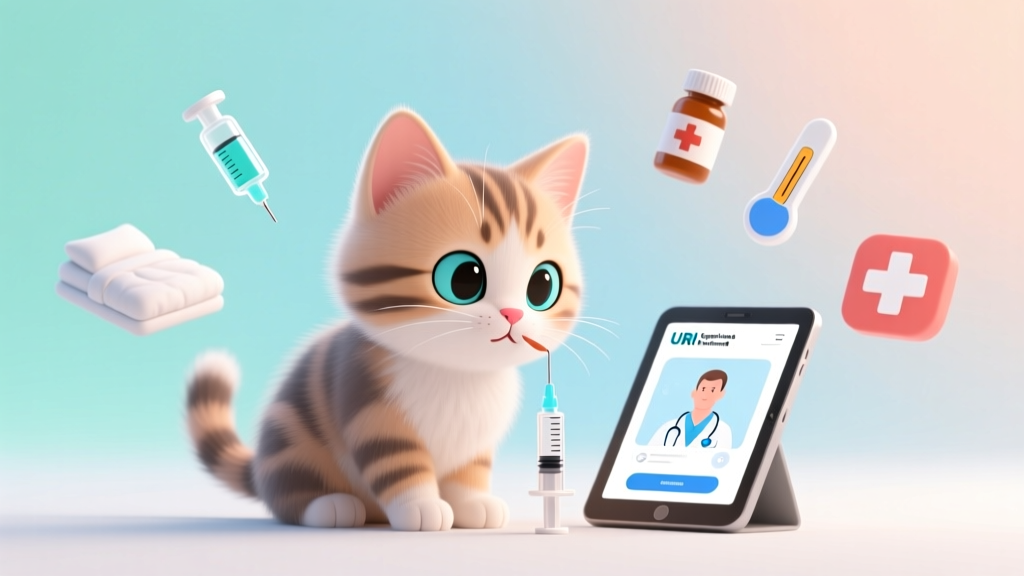
Subcutaneous fluid therapy (under-the-skin fluids) at home maintains hydration when kidneys can't concentrate urine. Many owners learn to administer fluids themselves — it takes 5 minutes and dramatically improves quality of life.
Blood Pressure Control
Hypertension is both a cause and consequence of CKD. Amlodipine (a blood pressure medication) protects remaining kidney function and prevents retinal damage.
Screening Recommendations
Cats over 7 years old should have annual blood work and urinalysis. Cats over 10 should be screened every 6 months. Early detection at Stage 1-2 allows dietary intervention that can delay progression by 2-3 years.