Cat Hyperthyroidism: Signs and Treatment
What Is Hyperthyroidism in Cats?
Hyperthyroidism is the most common endocrine disorder in cats, typically affecting those over 10 years old. It occurs when the thyroid glands produce excessive thyroid hormone, accelerating metabolism throughout the body.
Key Signs to Watch For
- Weight loss despite increased appetite
- Excessive thirst and urination
- Hyperactivity or restlessness
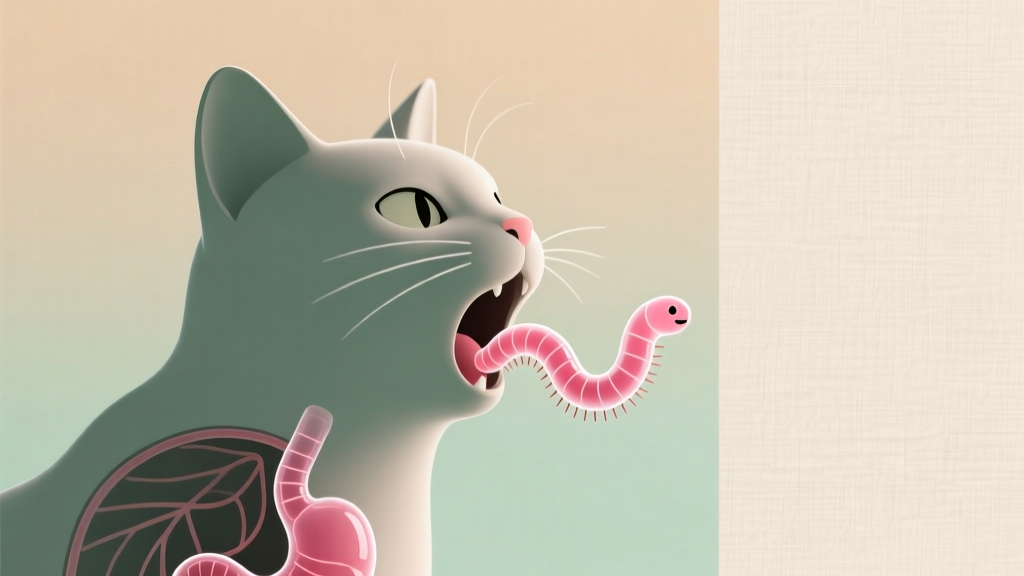
- Vomiting and diarrhea
- Unkempt, greasy coat
- Increased vocalization, especially at night
- Rapid heart rate (over 200 bpm)
Diagnosis
A simple blood test measuring total T4 (thyroxine) levels confirms the diagnosis. Your vet may also check kidney function, liver enzymes, and blood pressure, as hyperthyroidism often masks or complicates other conditions.
Treatment Options
1. Methimazole (Medication)
Daily oral or transdermal medication that blocks thyroid hormone production. Inexpensive and reversible, but requires lifelong administration and regular blood monitoring.
2. Radioactive Iodine (I-131)
A single injection that destroys abnormal thyroid tissue. Curative in 95% of cases with no anesthesia risk. Requires 3-5 days of hospitalization at a specialized facility.
3. Surgical Thyroidectomy
Removal of affected thyroid gland(s). Effective but carries surgical risks. Less commonly recommended now that I-131 is widely available.
4. Prescription Diet
Iodine-restricted diet that limits thyroid hormone production. Only works if the cat eats exclusively this food — no treats or other foods allowed.
Prognosis
With proper treatment, most hyperthyroid cats live normal lifespans. Early detection through annual senior bloodwork improves outcomes significantly.