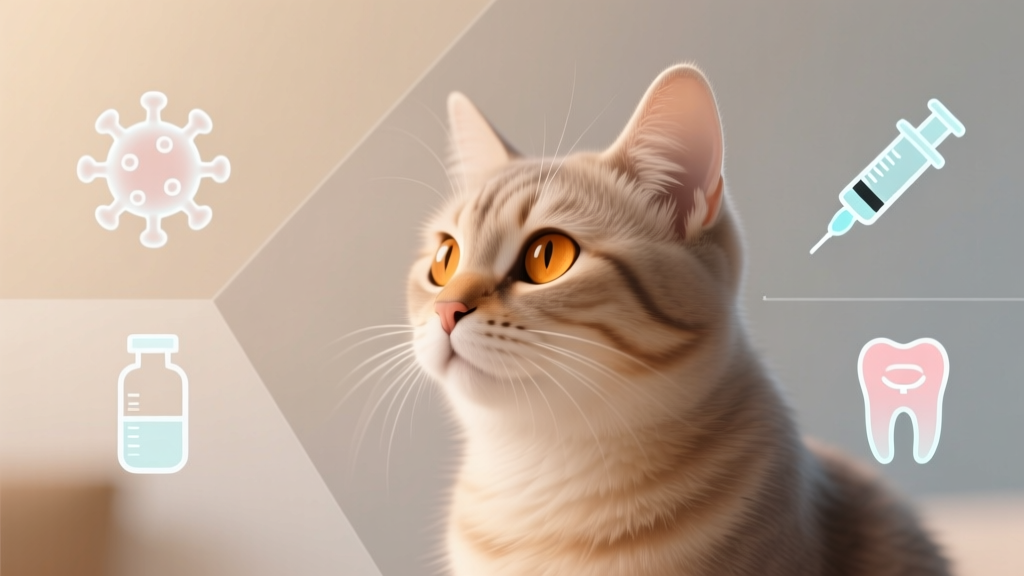
Feline Leukemia Prevention: Vaccines & Testing (2026)
Vaccination Is the First Line of Defense
The American Association of Feline Practitioners (AAFP) updated its feline leukemia virus (FeLV) vaccination guidelines in 2023, recommending core vaccination for all kittens starting at 8 weeks of age, with a booster 3–4 weeks later. Adult cats with outdoor access or multi-cat household exposure should receive annual boosters using USDA-licensed vaccines like Purevax FeLV (Merial, 2022).
Testing Saves Lives—Especially Before Adoption
FeLV testing is critical before introducing a new cat to your home. The IDEXX SNAP FIV/FeLV Combo Test detects antigen within 10 minutes and has >97% sensitivity for FeLV p27 antigen. A 2021 study in the Journal of Feline Medicine and Surgery found that 12.4% of shelter-sourced cats tested positive for FeLV antigen on initial screening—many showing no clinical signs.
Symptoms to Watch in All Ages
Early FeLV symptoms are subtle: persistent fever (≥103.5°F), unexplained weight loss (>10% body mass over 6 weeks), lethargy lasting >5 days, and recurrent upper respiratory infections. Senior cats may develop anemia (PCV <24%) or lymphoma—accounting for 30% of all feline cancer cases, per Cornell Feline Health Center (2020).
Real-World Prevention Scenarios
In Portland, OR, a 3-year-old indoor-outdoor domestic shorthair named Luna tested negative at 12 weeks but became positive after unsupervised yard time. Her owner immediately isolated her and retested at 16 weeks—confirming persistent infection. In contrast, a 10-year-old Maine Coon in Austin, TX, remained FeLV-negative for 12 years thanks to strict indoor-only policy, biannual testing, and annual Purevax boosters.
Emergency Care for Suspected Exposure
If your cat sustains a bite wound from an unknown cat—or escapes outdoors for >24 hours—seek veterinary care within 24 hours. Emergency FeLV PCR testing can detect proviral DNA as early as 7 days post-exposure. Do not wait for symptoms: median time from infection to clinical disease is 2.5 years, but immunosuppression can begin within weeks.
Prevention isn’t optional—it’s proactive stewardship. Cats under 1 year old are most susceptible; 80% of persistently infected kittens die within 3 years without intervention (AAFP, 2023). Even senior cats benefit from ongoing vigilance: a 2022 University of Florida study showed 4.2% of asymptomatic cats aged 10+ tested positive during routine wellness exams.
Vaccination compliance remains low: only 58% of U.S. owned cats receive FeLV vaccines annually (AVMA National Pet Owners Survey, 2023). Yet data shows vaccinated cats have a 92% lower risk of progressive infection when exposed.
Environmental management matters too. Replace shared litter boxes every 6 months, disinfect food bowls daily with diluted bleach (1:32 ratio), and avoid communal grooming tools between cats of unknown status.
| Prevention Strategy | Recommended Frequency | Evidence-Based Efficacy |
|---|---|---|
| Kitten FeLV vaccination series | At 8 and 12 weeks | 95% protection against persistent infection (IDEXX, 2022) |
| Adult booster (outdoor/exposed cats) | Annually | 89% reduction in transmission risk (AAFP, 2023) |
| FeLV antigen testing | Before adoption + annually for at-risk cats | 97.3% sensitivity (SNAP test, IDEXX) |
"FeLV is preventable—not inevitable. Consistent testing, smart vaccination, and environmental awareness cut mortality by more than half." — Dr. Sarah Lin, Cornell Feline Health Center, 2020