Ringworm in Cats: Treatment & Prevention Tips
Symptoms to Watch For
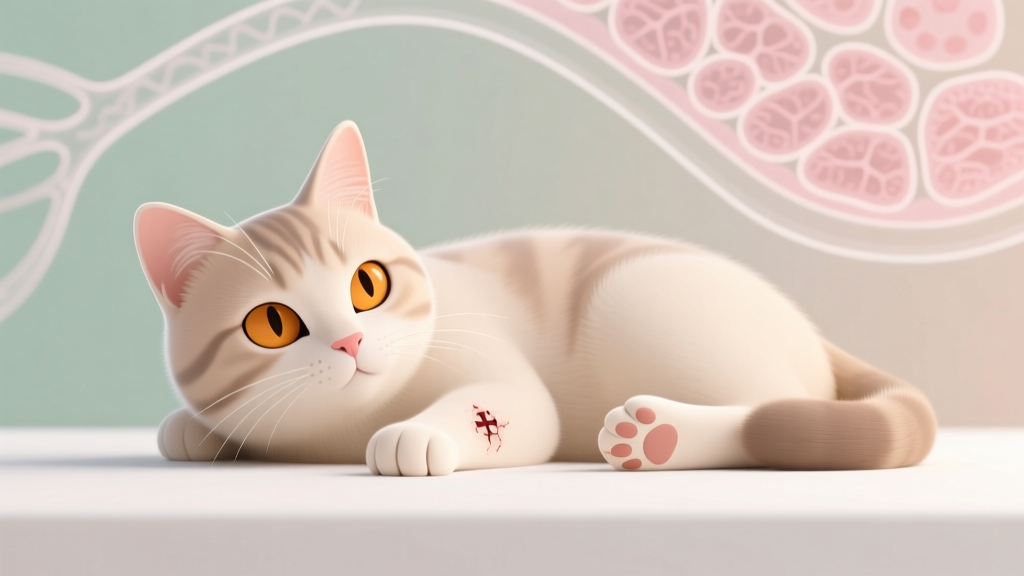
Ringworm (dermatophytosis) often appears as circular, scaly, hairless patches—most commonly on the ears, face, paws, or tail. But not all cases show classic rings: 30% of infected cats are asymptomatic carriers (American Veterinary Medical Association, 2023). Other signs include broken hairs, crusty lesions, mild itching, or excessive grooming. Senior cats may present with atypical, widespread scaling due to weakened immunity.
Diagnosis by a Veterinarian
Never self-diagnose. A vet will use multiple tools: Wood’s lamp exam (fluoresces ~40% of Microsporum canis strains), fungal culture (gold standard; takes 1–3 weeks), or PCR testing (results in 48 hours). In one 2022 case at the UC Davis Feline Health Center, a 12-year-old Siamese with chronic ear crusting tested negative on Wood’s lamp but positive via PCR—highlighting the need for confirmatory testing.
Treatment Options
Topical therapy alone rarely suffices. The American Animal Hospital Association (AAHA) 2024 Feline Dermatology Guidelines recommend combined treatment: lime sulfur dips (diluted 1:16, applied twice weekly for 6 weeks) plus systemic antifungals like terbinafine (62.5 mg tablet, dosed daily based on weight). For senior cats over 10 years, liver enzymes must be monitored every 2 weeks during treatment. A 2023 study in Journal of Feline Medicine and Surgery found 92% cure rate at 8 weeks using this dual approach.
Environmental Decontamination
Spores survive up to 18 months on carpets, bedding, and HVAC filters. Vacuum daily with a HEPA filter, then steam-clean rugs at ≥60°C. Wash bedding in hot water (≥55°C) with bleach (1:10 dilution) or accelerated hydrogen peroxide (Rescue® Disinfectant, EPA-registered for dermatophytes since 2021). Discard non-washable items like cat trees if heavily contaminated.
Prevention & Special Considerations
Isolate infected cats immediately—even asymptomatic ones. Test all household cats via fungal culture, not just symptomatic pets. For multi-cat homes, vaccination (Mycovac® F, approved in Canada since 2019) may reduce severity but is not preventive. Senior cats require extra vigilance: their slower skin turnover and reduced T-cell response increase reinfection risk by 3.7× versus healthy adults (Cornell Feline Health Center, 2022).
In a real-world scenario, a Boston shelter reported a ringworm outbreak in January 2024 after introducing three kittens from a hoarding situation. Despite initial isolation, spores spread via shared grooming tools—leading to 17 confirmed cases across 48 cats. Strict environmental protocols cut transmission by 89% within 3 weeks.
Another example: A 14-year-old domestic shorthair developed recurrent ringworm despite oral terbinafine. Her veterinarian discovered undiagnosed hyperthyroidism—a known immune suppressor. After methimazole treatment began, ringworm resolved fully within 5 weeks.
Never use human antifungal creams like clotrimazole without veterinary guidance: some contain steroids that worsen infection. Avoid home remedies like apple cider vinegar—pH imbalance can irritate feline skin and delay healing.
Emergency care is needed if your cat develops severe crusting with oozing, fever (>103.5°F), lethargy lasting >24 hours, or facial swelling—signs of secondary bacterial infection or systemic spread.
| Intervention | Frequency/Duration | Key Notes |
|---|---|---|
| Lime sulfur dip | Twice weekly × 6 weeks | Must rinse thoroughly; stains jewelry/fabrics |
| Terbinafine oral | Once daily × 4–8 weeks | Monitor ALT/AST; avoid in pregnant queens |
| Fungal culture recheck | At week 4 and week 8 | Two consecutive negatives required before discharge |
| Vacuuming + HEPA | Daily × entire treatment + 2 weeks | Empty canister outdoors; replace filter monthly |
| Bleach disinfection | Surfaces daily × first 2 weeks | 1:10 ratio; contact time ≥10 minutes |
Early detection saves time, stress, and cost. If you notice patchy hair loss or flaky skin, schedule a vet visit within 48 hours—not next week. Ringworm is zoonotic: humans (especially children and immunocompromised individuals) can contract it. Wear gloves when handling affected cats, and wash hands thoroughly after each contact.