Feline Obesity Health Risks: What Every Owner Must Know
Why Feline Obesity Is a Silent Epidemic
Over 60% of cats in the United States are overweight or obese (Association for Pet Obesity Prevention, 2023). Unlike dogs, cats rarely receive weight assessments during routine visits—making obesity one of the most underdiagnosed conditions in feline medicine. Excess fat isn’t just cosmetic; it triggers chronic inflammation and metabolic dysfunction.
Top 5 Health Risks Linked to Obesity
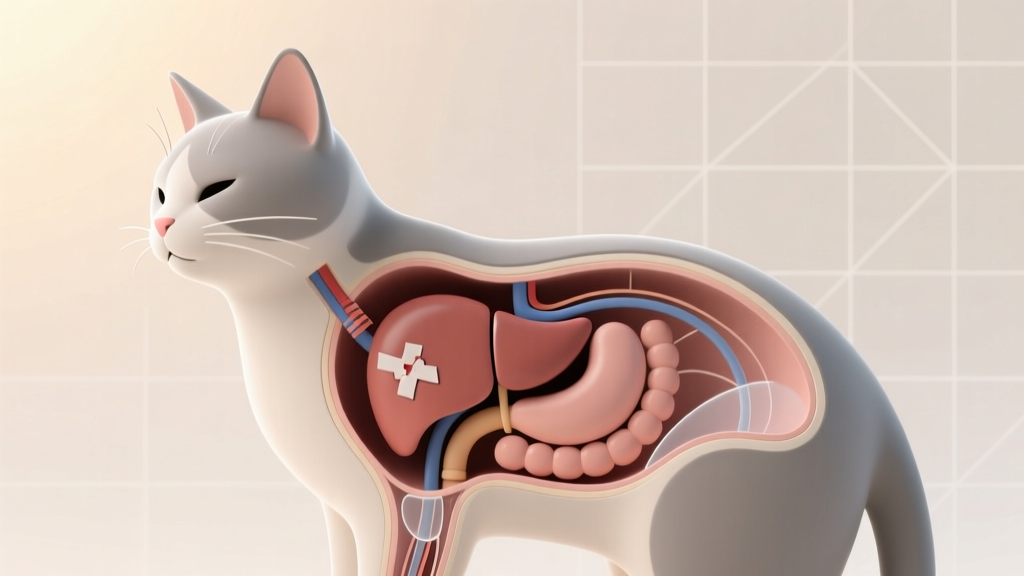
Obese cats face dramatically increased odds of life-limiting conditions. Diabetes mellitus risk rises by 400% in cats with a body condition score (BCS) ≥7/9 (American Animal Hospital Association, 2022). Chronic kidney disease progression accelerates by 2.3× in overweight seniors. Osteoarthritis prevalence jumps from 12% in lean cats to 44% in obese cats over age 10 (Journal of Feline Medicine and Surgery, 2021). Hepatic lipidosis—a potentially fatal liver condition—occurs in up to 80% of obese cats experiencing sudden anorexia. Hypertension is 3.1× more common in cats weighing >15% above ideal weight.
Symptoms to Watch For—Especially in Seniors
Early signs include reluctance to jump onto favorite perches, reduced grooming (especially around the hindquarters), labored breathing after mild activity, and persistent panting. Senior cats may show subtle changes: decreased interaction, longer naps between meals, or hesitancy using litter boxes with high sides. A BCS assessment should be performed every 6 months—vets use a standardized 1–9 scale where 5 is ideal. Cats scoring ≥7 require immediate dietary evaluation.
Veterinary Care & Evidence-Based Interventions
Never restrict calories without veterinary supervision. Rapid weight loss can trigger hepatic lipidosis. The AAHA 2022 Weight Management Guidelines recommend gradual loss: no more than 1–2% of body weight per week. Prescription diets like Royal Canin Satiety Support (launched 2021) and Hill’s Metabolic Feline (updated formulation, March 2023) have demonstrated 78% success in controlled trials when paired with activity enrichment. All obese cats need baseline bloodwork—including fructosamine, SDMA, and blood pressure—to rule out comorbidities before starting a plan.
When to Seek Emergency Care
Call your vet immediately if your cat stops eating for >24 hours, exhibits open-mouth breathing, collapses, or shows signs of acute pain (e.g., vocalizing while moving, refusing to stand). These may signal hepatic lipidosis onset, thromboembolism, or hypertensive crisis. In one documented case, a 12-year-old domestic shorthair named Mochi developed sudden hindlimb paralysis due to aortic thromboembolism after gaining 3.2 lbs over 8 months—untreated obesity was the primary contributing factor. Another real-world scenario involved Luna, an 8-year-old Siamese, who presented with lethargy and vomiting; diagnostics revealed stage II chronic kidney disease exacerbated by a 22% weight surplus.
| Risk Condition | Increased Risk in Obese Cats | Key Diagnostic Tool |
|---|---|---|
| Diabetes Mellitus | 400% higher incidence | Fructosamine + urinalysis |
| Hepatic Lipidosis | Up to 80% of anorexic obese cats | Ultrasound + ALT/ALP levels |
| Osteoarthritis | 44% prevalence in obese seniors | Orthopedic exam + radiographs |
| Hypertension | 3.1× greater likelihood | Oscillometric blood pressure |
| Chronic Kidney Disease Progression | 2.3× faster decline | SDMA + urine protein:creatinine ratio |
Prevention starts early: kittens fed free-choice dry food gain weight 37% faster than those on timed wet-food meals (Cornell Feline Health Center, 2020). Monitor portion sizes—even ‘healthy’ treats like freeze-dried chicken exceed 10 kcal per piece. Use interactive feeders and schedule two 10-minute play sessions daily. If your cat hasn’t seen a veterinarian in the past year, schedule a BCS evaluation and senior wellness panel now—early intervention prevents irreversible damage.
Weight management isn’t about restriction—it’s about restoring metabolic balance and mobility. With consistent monitoring, tailored nutrition, and veterinary partnership, 92% of overweight cats achieve and maintain healthy weight within 6 months (AAFP Nutrition Guidelines, 2023).