Feline Cutaneous Horns: Keratin Overgrowth on Paws
1. Introduction: Why this topic matters to cat owners
Finding a hard, horn-like “spike” on your cat’s paw can be unsettling. Many cat parents first notice it while trimming nails, wiping muddy paws, or when their cat starts licking one foot more than usual. These growths are often cutaneous horns—a buildup of keratin (the same material that makes up claws and hair) that forms a firm projection from the skin.
Cutaneous horns can be harmless, but they can also form over irritated or abnormal skin, including infections and, less commonly, tumors. Knowing what to watch for helps you protect your cat’s comfort and catch any underlying problem early. This guide explains what paw cutaneous horns are, why they happen, and what a veterinarian may recommend.
2. Overview: What are feline cutaneous horns?
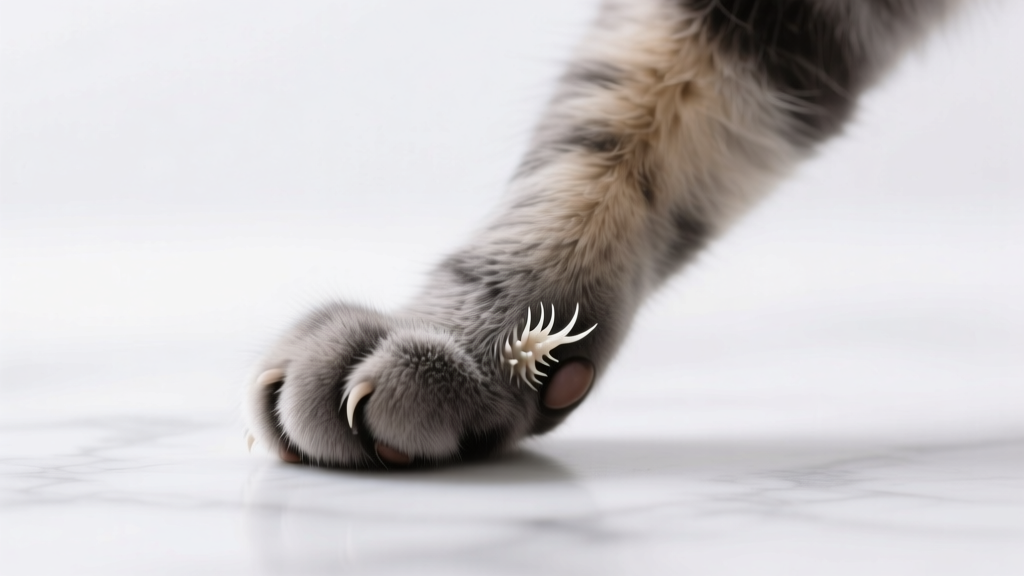
A cutaneous horn is a protruding, hardened column of keratin that grows outward from the skin’s surface. Think of it as an “extra keratin structure” that isn’t supposed to be there. The horn itself is not a diagnosis—it’s a visible sign that keratin is overproducing in one spot.
In cats, cutaneous horns can appear on different parts of the body, but paws are a common place to notice them because:
- Cat paw skin takes a lot of wear and tear.
- Claw-adjacent tissue can be prone to friction and micro-injuries.
- Owners handle paws during nail trims, making growths easier to spot.
Cutaneous horns may look like:
- A small, firm cone or spike
- A rough, crusty “thorn”
- A pale tan, yellowish, gray, or dark keratin projection
They can be single or multiple, and they may remain small or slowly enlarge over time. What matters most is the skin at the base: it can be normal, mildly inflamed, infected, or associated with a growth that needs medical attention.
3. Symptoms and warning signs to watch for
Some cats have a cutaneous horn with no obvious discomfort. Others show subtle behavior changes that suggest pain, itchiness, or infection. Watch for:
- Visible horn-like growth on the paw, toe, or near a nail
- Redness, swelling, or crusting at the base
- Bleeding or oozing
- Increased licking or chewing of one paw
- Limping or reluctance to jump
- Touch sensitivity when you handle the paw
- Foul odor (can suggest infection)
- Broken horn that leaves a sore spot behind
- Multiple new lesions appearing over weeks to months
Practical at-home check (takes 30 seconds): In good light, gently spread the toes and look for any firm projections, scabs, or thickened skin. Compare the same spot on the other paw. If your cat resists handling or pulls away, stop and schedule a vet visit instead of forcing the exam.
4. Causes and risk factors
Cutaneous horns form when keratin-producing cells in the skin (keratinocytes) overgrow. This can happen for several reasons. Often, the horn is the “tip of the iceberg,” and the underlying trigger is what needs attention.
Common triggers
- Chronic friction or pressure: Repeated rubbing against surfaces, altered gait, or a paw that bears extra weight due to arthritis or another injury.
- Previous injury: A puncture, scrape, or foreign body can lead to ongoing irritation and thickening.
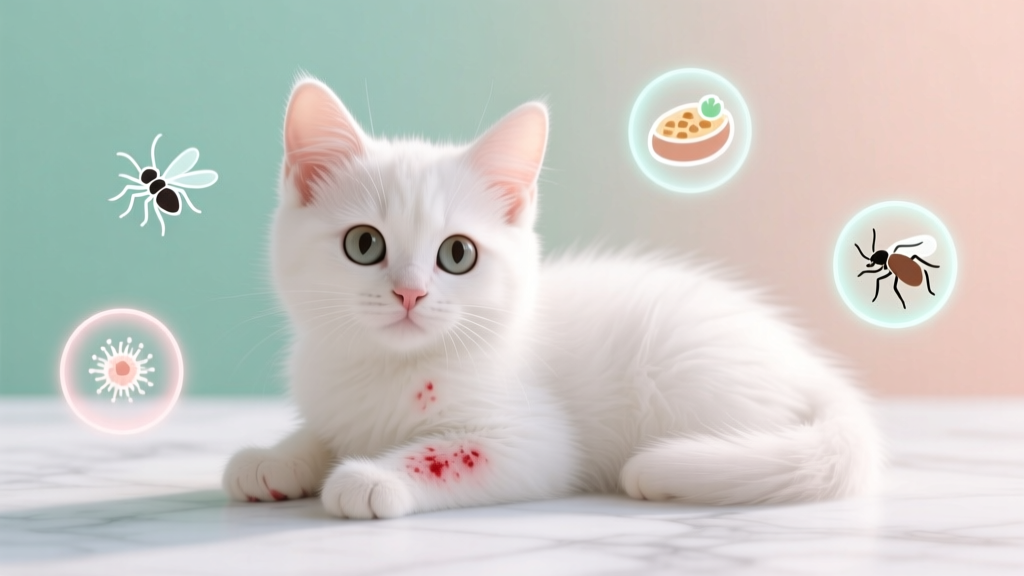
- Inflammation or infection: Bacterial or yeast overgrowth and inflamed skin can encourage abnormal keratin buildup.
- Allergies or dermatitis: Cats with itchy feet may lick and traumatize the skin, creating a cycle of irritation and thickening.
- Viral associations: Papillomavirus has been linked to some keratinized lesions in cats; your vet may consider this if there are multiple lesions.
- Pre-cancerous or cancerous skin changes: Less common but important. Some cutaneous horns develop over benign tumors, pre-cancerous lesions, or malignant tumors (such as squamous cell carcinoma).
Risk factors
- Older age: More time for chronic skin changes to develop.
- Outdoor access: More minor injuries, bites, and environmental exposure.
- Immune compromise: Cats with chronic illness may have reduced skin resilience.
- History of chronic paw licking: Often connected to pain, allergy, or anxiety.
If you find a cutaneous horn, don’t assume it’s “just a weird nail.” The horn may be harmless, but the safest approach is to have the base evaluated by a veterinarian.
5. Diagnosis: What to expect at the vet
Your veterinarian’s goal is twofold: confirm what the horn is and identify any underlying cause. A typical appointment may include:
History and physical exam
- When you first noticed it, and whether it has changed
- Any licking, limping, odor, bleeding, or discharge
- Full skin and paw exam, including nail beds and pads
Close inspection of the base
The base is the most important part. Your vet will look for signs of infection, inflammation, ulceration, or a mass beneath the horn.
Diagnostic testing (as needed)
- Cytology: A tape impression or swab to check for bacteria or yeast.
- Skin scraping: To rule out mites when itchiness is present.
- Fine needle aspirate (FNA): If a lump is felt under the horn (not always possible depending on location).
- Biopsy: The most definitive way to rule out pre-cancerous or cancerous causes. Your vet may recommend removing the horn and sending the base tissue to a lab.
- Culture: If infection is suspected and doesn’t respond to first-line treatment.
Some cats may need light sedation for a thorough paw exam or for comfortable removal/biopsy, especially if the area is painful.
6. Treatment options (medical, surgical, home care)
Treatment depends on what’s happening at the base of the horn and whether the growth is causing discomfort.
Medical treatment
- Antibiotics or antifungals: If bacterial or yeast infection is confirmed or strongly suspected.
- Anti-inflammatory or pain relief medications: If the area is inflamed or your cat is limping. Only use medications prescribed for cats—many human pain relievers are toxic.
- Allergy management: If paw inflammation is linked to allergies, your vet may recommend diet trials, flea control, or specific anti-itch medications.
- Topical therapy: Medicated wipes or ointments may be used, but only under veterinary guidance to avoid licking-related toxicity.
Surgical or procedural treatment
- Trimming/removal of the horn: In some cases, the horn can be carefully trimmed or removed by a veterinarian. This is not the same as clipping a nail; the base can bleed or be painful.
- Excisional biopsy: Removal of the horn and a small margin of the underlying tissue for lab analysis. This is often recommended if the lesion is changing, ulcerated, recurring, or suspicious.
- Mass removal: If there is an underlying tumor, removing the mass (and sometimes additional treatment) may be recommended based on biopsy results.
Home care and comfort (safe, practical steps)
- Prevent licking: Use an e-collar or a soft recovery collar if your vet advises it. Licking can inflame the area and introduce infection.
- Keep the paw clean and dry: If your cat steps in litter dust or dirt, wipe gently with a damp cloth and dry well. Avoid harsh disinfectants unless prescribed.
- Reduce irritation: Keep nails trimmed (regularly and safely) to reduce abnormal pressure on the toes. If you’re unsure, ask your clinic for a nail-trim demo.
- Monitor weekly: Take a clear photo next to a coin for size reference. Tracking changes helps your veterinarian make better decisions.
What not to do at home: Don’t pull, twist, or aggressively clip a horn off. It can be painful, can bleed significantly, and can delay diagnosis of underlying disease.
7. Prevention strategies and early detection tips
You can’t prevent every skin growth, but you can reduce risk and catch changes early.
- Monthly paw checks: Look between toes, at nail beds, and along paw pads.
- Maintain routine nail trims: Overgrown nails change weight distribution and can contribute to toe irritation.
- Use consistent flea control: Flea allergy can drive chronic licking and skin trauma, even if you rarely see fleas.
- Address limping early: Arthritis or an old injury can shift weight and increase friction on certain toes.
- Keep litter areas clean: A cleaner environment reduces bacterial load on paws, especially for cats prone to skin issues.
- Schedule wellness exams: Many skin and paw concerns are easier (and less expensive) to manage when caught early.
If your cat has recurrent paw lesions, ask your veterinarian about deeper investigation (allergy work-up, biopsy, or referral to a veterinary dermatologist).
8. Prognosis and quality of life considerations
The outlook for cats with cutaneous horns is often good, especially when:
- The horn is small and the base skin is healthy
- There’s a treatable cause such as infection or dermatitis
- The lesion is removed and biopsy confirms benign changes
Quality of life is the priority. Even a small lesion can be miserable if it rubs with every step. With appropriate treatment—pain control if needed, managing infection or allergy triggers, and removing bothersome growths—most cats return to normal activity quickly.
If biopsy identifies pre-cancerous or cancerous disease, prognosis varies by type and how early it’s caught. Early evaluation of any changing, ulcerated, or recurring horn offers the best chance for a favorable outcome.
9. When to seek emergency veterinary care
Cutaneous horns are usually not an emergency, but certain signs warrant prompt (same-day) veterinary attention:
- Significant bleeding that doesn’t stop within a few minutes of gentle pressure
- Sudden severe limping or your cat won’t bear weight on the paw
- Rapid swelling of the toe or paw
- Pus, foul odor, or spreading redness suggesting a serious infection
- Extreme pain when the paw is touched
- Fever, lethargy, or not eating along with a paw lesion
- The horn has torn off and the base looks raw or open
If you’re uncertain, call your veterinary clinic for guidance. When it comes to paw pain and infection, quicker care usually means easier treatment.
10. FAQ: Common questions about paw cutaneous horns in cats
Are cutaneous horns the same as an extra claw?
No. A dewclaw or extra claw is part of the normal nail structure attached to a toe bone. A cutaneous horn is a keratin overgrowth from the skin and can form anywhere, including near nails. Because they can look claw-like, they’re easy to confuse.
Can I clip a cutaneous horn at home like a nail?
It’s not recommended. The horn may be attached to sensitive tissue and can bleed or hurt if clipped. More importantly, trimming it at home can hide the appearance of the base, delaying diagnosis. Let a veterinarian assess it first.
Do cutaneous horns mean my cat has cancer?
Not necessarily. Many are linked to benign irritation or inflammation. That said, some horns form over pre-cancerous or cancerous skin changes. Any horn that is enlarging, ulcerated, bleeding, or recurring should be evaluated and often biopsied to be safe.
Will a cutaneous horn grow back after removal?
It can, especially if the underlying trigger (chronic irritation, infection, allergy, or a growth in the skin) isn’t addressed. Recurrence is one reason veterinarians may recommend biopsy and targeted treatment rather than repeated trimming.
My cat keeps licking the paw—could that cause a horn?
Chronic licking can irritate skin and contribute to thickening and abnormal keratin buildup. The licking is often a sign of an underlying issue (pain, allergy, infection, anxiety), so it’s worth discussing with your veterinarian even if the horn seems small.
What can I do today while waiting for a vet appointment?
- Take clear photos of the growth (and a size reference like a coin).
- Prevent licking if your cat won’t leave it alone (use a recovery collar if tolerated).
- Keep the paw clean and dry; avoid applying human antiseptics or creams.
- Monitor for limping, swelling, odor, discharge, or bleeding—if any appear, seek care sooner.
If you’ve noticed a horn-like growth on your cat’s paw, scheduling a veterinary exam is the most reliable way to confirm what it is and keep your cat comfortable. For more practical, vet-informed guidance on keeping your cat healthy from nose to tail, visit catloversbase.com.