Cat Cervical Spondylotic Myelopathy: Degenerative Neck Cord
1) Why this topic matters to cat owners
Your cat’s neck does a lot of work every day—lifting the head, jumping, grooming, and looking around. When the bones and soft tissues in the neck slowly change with age or wear-and-tear, they can start to press on the spinal cord. That pressure can interfere with nerve signals that control balance, walking, and even bladder function.
Cervical spondylotic myelopathy (CSM) is not one of the most common diagnoses in cats, but neck and spinal cord problems do happen, and early recognition makes a real difference. Many owners first notice subtle changes—stiffness, hesitation to jump, or a wobbly walk—before the problem becomes more obvious. Knowing what to watch for helps you get veterinary care sooner and protect your cat’s comfort and mobility.
2) Overview: What cervical spondylotic myelopathy means (plain-language explanation)
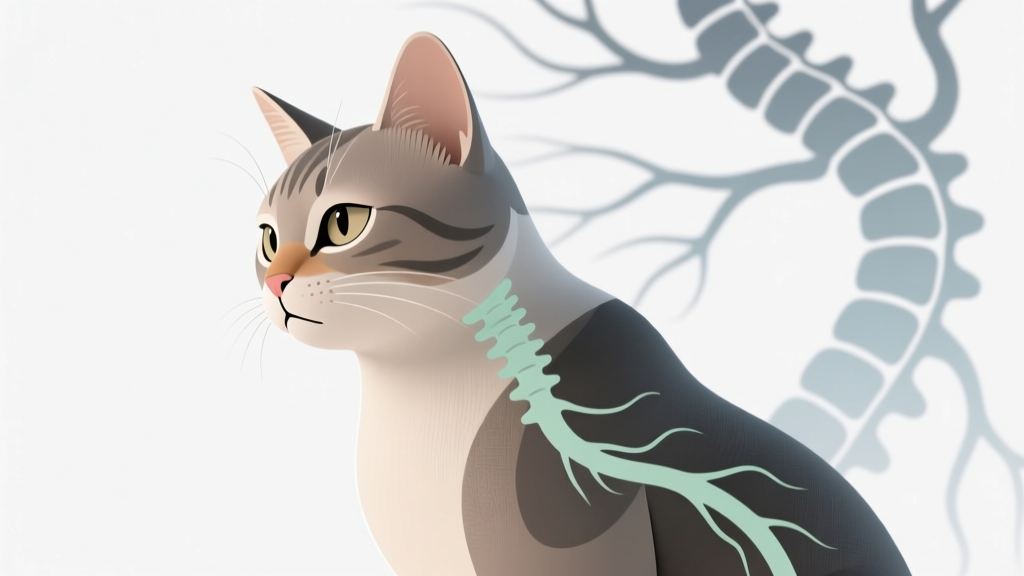
Cervical refers to the neck region of the spine. Spondylotic refers to degenerative changes in the spine such as bone spurs (osteophytes), thickened ligaments, and changes to the intervertebral discs. Myelopathy means a disorder of the spinal cord.
Put together, cervical spondylotic myelopathy is a condition where age-related or degenerative changes in the neck cause narrowing around the spinal cord, leading to spinal cord compression and neurological signs.
In cats, similar clinical signs can also come from other neck/spinal conditions (like intervertebral disc disease, trauma, inflammatory disease, infection, or tumors). That’s why a veterinary diagnosis is essential—many different problems can look alike at home.
What’s happening inside the neck?
- Discs may degenerate (dry out, flatten, bulge), changing how the vertebrae align.
- Bone spurs can form as the body tries to stabilize an aging joint.
- Ligaments may thicken over time, further narrowing the space.
- The spinal cord and nerve roots may get pinched, causing pain and abnormal movement.
The neck spinal cord acts like a “main cable” connecting the brain to the rest of the body. Compression here can affect the front legs, back legs, and overall coordination.
3) Symptoms and warning signs to watch for
Signs can appear gradually and may be easy to miss at first. Some cats become quieter and less active, so changes can be mistaken for normal aging. Contact your veterinarian if you notice any of the following.
Common signs at home
- Neck pain or stiffness (reluctance to turn the head, yowling when picked up, tense posture)
- Reluctance to jump or climb stairs; choosing lower surfaces
- Wobbly gait (ataxia), especially in the rear legs
- Weakness in one or more legs
- Scuffing paws or dragging toes; worn nails
- Wide-based stance when standing to balance
- Slow or awkward turning, stumbling, or falling
- Behavior changes: hiding, irritability, reduced grooming, decreased appetite
Signs that can suggest more advanced spinal cord involvement
- Difficulty rising or frequent collapse
- Inability to walk normally
- Loss of bladder or bowel control (urine dribbling, accidents outside the box)
- Severe pain (crying out, panting, refusing to move)
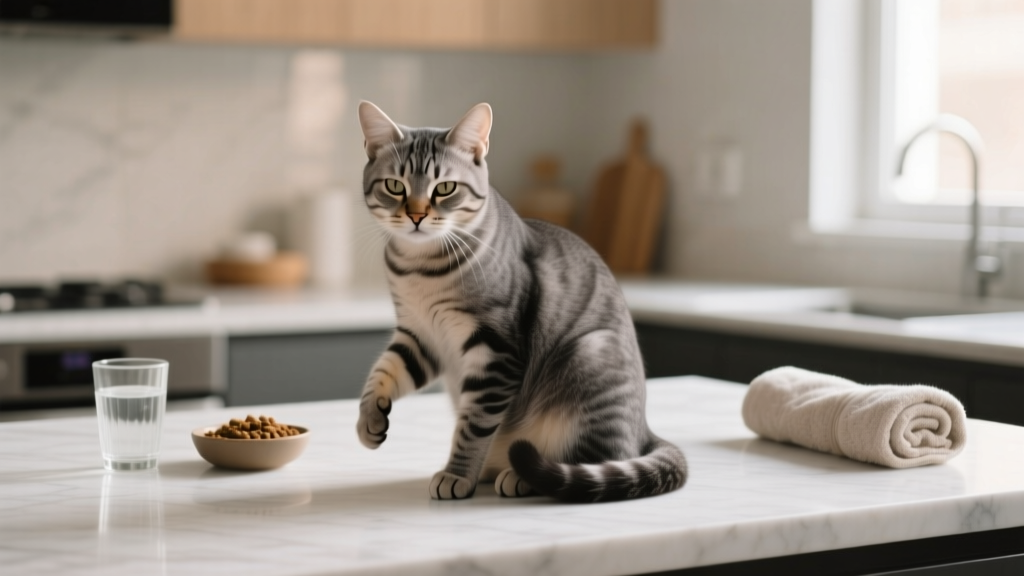
Tip you can use today: Take short videos of your cat walking toward you and away from you, turning in a tight circle, stepping over a towel, and jumping (if they choose to). Videos help your vet see subtle neurologic changes that may not show up in the exam room.
4) Causes and risk factors
CSM is considered a degenerative condition, meaning it’s linked to gradual wear-and-tear and age-related changes. In cats, it’s often discussed under the broader umbrella of degenerative spinal disease.
Potential contributors
- Age-related degeneration of discs and joints in the neck
- Chronic mechanical stress on the cervical spine (jumping, repetitive impact)
- Arthritis affecting spinal joints
- Previous injury that altered alignment or stability
- Congenital or developmental spine shape differences (uncommon, but possible)
Cats that may be at higher risk
- Senior cats, especially those with other arthritis signs
- Cats with a history of falls or trauma
- Cats who are overweight (extra load on joints, reduced muscle support)
Many cats with neck and spinal cord signs do not have classic CSM. The risk factors above simply mean you should be quicker to seek veterinary advice if symptoms appear.
5) Diagnosis: What to expect at the vet
Because many conditions can mimic each other, diagnosis usually happens in steps. Your veterinarian’s goal is to confirm that the problem is in the neck and spinal cord, identify the cause, and decide whether it can be managed medically or needs more advanced treatment.
Typical diagnostic steps
- History: when signs started, progression, any trauma, jumping changes, litter box habits, pain triggers
- Physical exam: pain on neck movement, muscle tension, orthopedic assessment
- Neurologic exam: gait evaluation, paw placing tests, reflexes, checking for proprioception (body position awareness)
- Basic lab work: blood and urine tests to look for underlying illness and ensure anesthesia safety if imaging is needed
Imaging options
- X-rays (radiographs): can show arthritis, bone spurs, narrowed disc spaces, vertebral alignment changes. X-rays cannot directly show spinal cord compression, but they help guide next steps.
- MRI: best at showing the spinal cord, discs, soft tissues, and compression level; often the most helpful test for myelopathy.
- CT scan: very good for bony changes; sometimes paired with contrast studies depending on the case.
Advanced imaging (MRI/CT) typically requires sedation or anesthesia so your cat can remain still and safe. Your vet will discuss risks and benefits and tailor the plan to your cat’s age and overall health.
6) Treatment options (medical, surgical, and home care)
Treatment depends on severity, the exact cause of spinal cord compression, and your cat’s overall health. Some cats do well with conservative management; others need referral-level care.
Medical management
- Pain control: commonly includes prescription medications such as gabapentin and other analgesics. Your veterinarian will choose medications appropriate for cats.
- Anti-inflammatory therapy: may be used to reduce inflammation around compressed tissues. Never give human NSAIDs (like ibuprofen) to cats.
- Muscle relaxants: sometimes considered if muscle spasm contributes to discomfort.
- Activity restriction: limiting high-impact jumping and rough play to reduce flare-ups.
- Weight management: if your cat is overweight, gradual weight loss can reduce joint stress and improve mobility.
Surgical options (when appropriate)
If imaging shows significant spinal cord compression and your cat has progressive neurologic deficits, your vet may recommend a consultation with a veterinary neurologist or surgeon. Surgical goals can include:
- Decompression: removing or reducing pressure on the spinal cord
- Stabilization: addressing instability between vertebrae if present
Surgery is not right for every cat, especially if there are complicating medical conditions. A specialist can help you weigh expected benefits, risks, cost, and aftercare needs.
Home care and supportive strategies
You can make your cat more comfortable immediately while you’re arranging veterinary care (and as part of long-term management). The goal is to reduce pain triggers and prevent falls.
- Set up a “single-level” living space: food, water, bed, and litter box on the same floor to reduce climbing.
- Use ramps or pet stairs to favorite resting spots; block access to high shelves temporarily.
- Provide non-slip flooring: yoga mats, runners, or carpet tiles help wobbly cats feel secure.
- Choose a low-entry litter box to reduce strain when stepping in and out.
- Gentle handling: support the chest and hindquarters; avoid forcing neck movement.
- Keep nails trimmed: improves traction and reduces slipping.
- Warm, soft bedding: can ease stiffness; consider a low-heat pet-safe warming pad if your vet approves.
Do not attempt neck manipulation, chiropractic adjustment, or stretching exercises unless specifically directed by a veterinarian familiar with your cat’s imaging results.
7) Prevention strategies and early detection tips
You can’t prevent all degenerative spinal changes, but you can reduce risk and catch problems earlier.
- Maintain a lean body condition: ask your vet to help you set a healthy target weight and feeding plan.
- Support joint health: discuss veterinarian-approved joint diets or supplements (cats have unique needs; don’t self-prescribe).
- Make your home “spine-friendly”: add steps/ramps to reduce big jumps, especially for middle-aged and senior cats.
- Schedule regular wellness visits: subtle neurologic changes are easier to detect over time with consistent exams.
- Watch for early behavior changes: less jumping, decreased play, hiding, or irritability can be pain clues.
Quick at-home check: Once a month, observe your cat walking on a smooth floor. Look for toe scuffing, crossing legs, wobble, or hesitation to turn. If anything seems new or progressive, book a veterinary visit.
8) Prognosis and quality of life considerations
Prognosis varies widely because “degenerative neck cord” signs can range from mild to severe, and different underlying causes have different outcomes. Many cats can have a good quality of life with:
- Reliable pain control
- Environmental adjustments to prevent slipping and jumping injuries
- Weight management and gentle activity
- Monitoring for progression and adjusting treatment promptly
Cats that have mild symptoms and respond to medical management may remain stable for long periods. Cats with rapidly worsening weakness, frequent falls, or bladder changes need more urgent reassessment and may require advanced imaging and specialist care.
Quality of life markers you can track:
- Ability to reach food/water and litter box comfortably
- Stable walking without frequent falls
- Comfort when resting and being gently handled
- Normal interest in interaction, grooming, and eating
9) When to seek emergency veterinary care
Seek emergency care the same day (or immediately) if your cat has any of these signs:
- Sudden inability to walk or rapidly worsening weakness
- Severe pain (crying out, refusing to move, aggressive when touched due to pain)
- Loss of bladder/bowel control or repeated straining without producing urine
- Recent trauma (fall, car accident, dog attack) with any neurologic change
- Labored breathing or extreme lethargy alongside neck/spine symptoms
Until you arrive at the vet, keep your cat in a small carrier or box with a towel for stability. Avoid excessive handling and do not give human pain medications.
10) FAQ: Common questions cat owners ask
Can cervical spondylotic myelopathy happen in cats, or is it mostly a dog condition?
The classic “wobbler” syndrome description is more common in dogs, but cats can develop degenerative neck changes and spinal cord compression that cause similar signs. Because it’s less common in cats, veterinarians often consider a broader list of possible causes and may recommend imaging to pinpoint the reason.
How can I tell if my cat’s wobbliness is arthritis or a spinal cord problem?
Arthritis often causes stiffness, decreased jumping, and sensitivity around joints, while spinal cord issues are more likely to cause knuckling, toe dragging, crossing limbs, a wide-based stance, and balance problems. That said, overlap is common—especially in older cats—so a veterinary exam is the safest way to sort it out.
Is this condition painful?
It can be. Some cats show obvious neck pain, while others mainly show weakness or coordination changes. Cats are experts at hiding discomfort, so any mobility change deserves a veterinary discussion about pain control.
Will my cat need surgery?
Not always. Many cats are managed medically with pain relief and home modifications, especially if signs are mild and stable. Surgery is more likely to be discussed when there is significant spinal cord compression, progressive neurologic decline, or poor response to medical treatment. A veterinary neurologist can guide this decision after imaging.
What should I do at home while waiting for my appointment?
- Limit jumping and rough play; keep your cat on one level if possible.
- Provide non-slip paths to food, water, and the litter box.
- Handle gently and support the body (avoid bending the neck).
- Record videos of walking and any concerning movements.
- Do not give over-the-counter human medications.
Can physical therapy help a cat with neck spinal issues?
Rehabilitation can help some cats, but it should be guided by your veterinarian or a certified veterinary rehab professional—especially when the neck spinal cord is involved. The wrong exercises could worsen pain or compression, so individualized planning is key.
If you’re worried your cat may have neck pain, wobbliness, or weakness, schedule a veterinary visit promptly. Early evaluation often leads to more options and better comfort.
For more caring, practical cat health guides, visit catloversbase.com and explore our resources on mobility, senior cat wellness, and pain awareness.