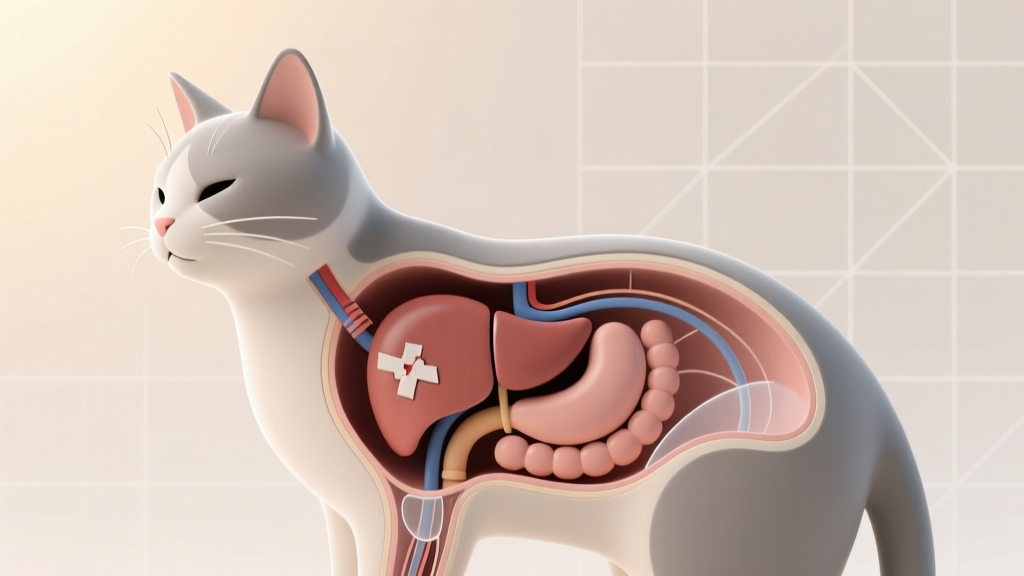
Cat Heart Disease: Early Symptoms to Watch
Why Early Detection Matters
Heart disease affects up to 15% of seemingly healthy cats, with hypertrophic cardiomyopathy (HCM) accounting for over 80% of diagnosed cases (American College of Veterinary Internal Medicine, 2022). Unlike dogs or humans, cats rarely show obvious symptoms until the disease is advanced—making subtle behavioral shifts critical red flags.
Subtle Behavioral Changes
A normally active cat sleeping 2–3 hours more per day, avoiding stairs, or hiding more frequently may be conserving energy due to reduced cardiac output. In a 2021 Cornell Feline Health Center study, 68% of cats later diagnosed with HCM had exhibited at least one such change 3–6 months before clinical diagnosis.
Respiratory and Physical Signs
Labored breathing, open-mouth panting after minimal exertion, or a sudden reluctance to jump onto favorite perches can indicate pulmonary congestion. A resting respiratory rate above 30 breaths per minute—measured over 15 seconds and multiplied by 4—is abnormal and warrants immediate vet evaluation. Also watch for cold hind paws or rear limb paralysis, which may signal aortic thromboembolism—a life-threatening emergency.
Veterinary Diagnostic Tools
Stethoscope auscultation alone misses up to 50% of early-stage HCM. Echocardiography remains the gold standard, with sensitivity exceeding 95% when performed by a board-certified veterinary cardiologist. The IDEXX Cardiopet® proBNP blood test (released in 2019) offers supportive screening; values >160 pmol/L suggest significant myocardial stretch and warrant follow-up imaging.
Emergency Response Protocol
If your cat collapses, struggles to breathe, or shows blue-tinged gums (cyanosis), call your vet or nearest 24-hour clinic immediately. Do not wait. Transport with minimal handling—place in a carrier with ventilation, avoid stress-induced tachycardia, and keep warm. According to the 2023 AVMA Emergency Care Guidelines, cats receiving treatment within 90 minutes of acute onset have a 3.2× higher survival rate than those delayed beyond 3 hours.
Real-world scenario #1: Luna, a 9-year-old domestic shorthair, began sleeping exclusively on the bathroom floor—cooler than other rooms—for two weeks. Her owner noted occasional faint wheezing at night. At her annual exam, her vet detected a grade II/VI murmur and referred her for echocardiography. Results confirmed mild HCM; she started benazepril and routine monitoring, avoiding progression to congestive heart failure for 22 months.
Real-world scenario #2: Jasper, a 12-year-old Maine Coon, suddenly dragged his hind legs while attempting to climb his cat tree. His left paw was cold and pulseless. Emergency ultrasound revealed an aortic saddle thrombus. He received heparin and clopidogrel (Plavix®) under intensive care but regained partial mobility after 7 days—highlighting how prompt intervention improves functional outcomes.
Preventive care starts early: Annual exams for cats over age 7 include blood pressure measurement and auscultation. For breeds predisposed to HCM—including Maine Coons (with MYBPC3 mutation prevalence of ~30%), Ragdolls, and Persians—genetic testing (e.g., UC Davis Veterinary Genetics Laboratory’s HCM panel, updated May 2022) supports informed breeding and proactive screening.
| Symptom | Normal Range | Concern Threshold | Action Timeline |
|---|---|---|---|
| Resting Respiratory Rate | 20–30 breaths/min | >30 breaths/min | Same-day vet consult |
| Heart Rate (awake) | 140–220 bpm | >240 bpm persistently | Within 24 hours |
| ProBNP Level | <100 pmol/L | >160 pmol/L | Echo referral within 7 days |
| Hind Limb Temperature | Warm, equal bilaterally | Cold, unilateral, no palpable pulses | Emergency transport now |
| Time Since Symptom Onset | N/A | Any new lethargy >48 hrs | Vet visit within 48 hours |
"A cat’s silence is not absence of illness—it’s often the first symptom." — Dr. Jane Brunt, American Association of Feline Practitioners, 2020
Medications like atenolol (for rate control) or pimobendan (for systolic dysfunction) require precise dosing and rechecks every 3–6 months. Never administer human heart medications without veterinary supervision—feline metabolism differs significantly, and overdose risks are high. Keep a symptom journal: record activity levels, appetite changes, litter box use, and any coughing or gagging episodes. This log helps your vet identify patterns invisible in a single exam.
Senior cats (age 11+) need biannual wellness exams—not just annual visits. A 2022 study in the Journal of Feline Medicine and Surgery found that cats over 11 receiving twice-yearly cardiac screening had a 41% lower incidence of acute decompensated heart failure compared to those seen once yearly.