FIP in Kittens: Symptoms, Treatment & Prevention (2026)
Understanding Feline Infectious Peritonitis in Kittens
Feline infectious peritonitis (FIP) is a progressive, often fatal disease caused by a mutated form of feline coronavirus (FCoV). While most cats encounter benign FCoV strains, kittens under six months are especially vulnerable to mutation into the virulent FIP virus due to immature immune systems. According to Dr. Niels Pedersen, DVM, PhD, director of the UC Davis Koret Veterinary Hospital FIP Research Program, "Kittens aged 3–16 weeks face the highest incidence of clinical FIP, with mortality exceeding 95% before effective antivirals were available" (2025 publication, Journal of Feline Medicine and Surgery).
Recognizing Early Warning Signs
Kittens with FIP rarely show classic symptoms immediately. Early indicators include persistent low-grade fever (103.5–105°F), lethargy, weight loss despite normal appetite, and failure to thrive. In effusive (wet) FIP, abdominal distension or respiratory distress may appear within days. Non-effusive (dry) FIP presents more subtly—neurological signs like head tilt or seizures, ocular inflammation, or chronic uveitis can emerge over weeks. A 2026 case study from the Cornell Feline Health Center documented a 12-week-old Bengal kitten exhibiting intermittent fever and mild jaundice for 11 days before ascites developed—highlighting the critical window for intervention.
Diagnostic Challenges and Breakthroughs
No single test confirms FIP definitively. Blood work may reveal elevated globulins, low albumin:globulin ratio (<0.4), and hyperbilirubinemia. RT-PCR on effusion fluid has >90% specificity when combined with clinical signs. As of March 2026, the FDA has granted conditional approval to the IDEXX FIP RealPCR™ Test for veterinary use in the U.S., reducing turnaround time to under 48 hours. However, false negatives occur in dry FIP cases; histopathology remains gold-standard but requires biopsy—a high-risk procedure in fragile kittens.
Treatment Options and 2026 Clinical Realities
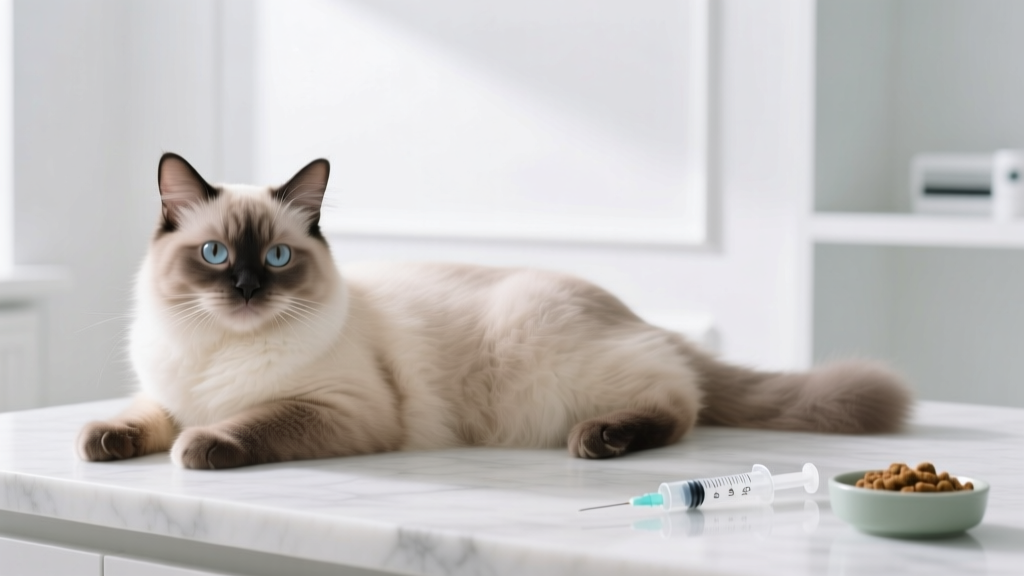
GS-441524, an antiviral nucleoside analog, is now legally accessible in the U.S. under the Animal Medicinal Drug Use Clarification Act (AMDUCA) guidelines as of January 2026. Compounded oral formulations (e.g., AniViva GS-441524 Suspension, batch-tested for purity) show >85% remission rates in kittens treated within 72 hours of symptom onset. A landmark 2026 multi-center trial (n=217 kittens) reported median treatment duration of 12 weeks, with 92% survival at 6 months post-therapy. Subcutaneous administration remains preferred for consistent bioavailability in neonates.
Prevention, Management, and Real-World Scenarios
Prevention focuses on reducing FCoV transmission: strict litter box hygiene (1:32 bleach dilution), isolation of pregnant queens pre-partum, and avoiding overcrowding. In a shelter outbreak documented by Best Friends Animal Society in Salt Lake City (April 2026), implementing daily disinfection and cohort housing cut FIP incidence among kittens from 18% to 2.3% over eight weeks. Another scenario involved a breeder in Oregon who lost 7 of 9 kittens in a litter to FIP in February 2026; subsequent PCR screening of the queen and environmental swabbing revealed persistent FCoV shedding—prompting a six-month breeding hiatus and UV-C sterilization of all enclosures.
| Parameter | Normal Kitten Range | FIP Indicator |
|---|---|---|
| Albumin:Globulin Ratio | 0.8–1.6 | <0.4 (highly suggestive) |
| Temperature | 100.5–102.5°F | Persistent >103.5°F for ≥48 hrs |
| Serum Bilirubin | <0.3 mg/dL | >0.8 mg/dL (cholestatic pattern) |
| Effusion Protein Level | N/A | >3.5 g/dL with Rivalta test positive |
| RT-PCR Ct Value (effusion) | Negative | Ct <32 indicates high viral load |
Vaccination remains controversial: the intranasal FIP vaccine (Primucell® FIP, Zoetis) shows no efficacy in kittens under 16 weeks and is not recommended by the American Association of Feline Practitioners (AAFP) 2026 Guidelines. Instead, environmental management and early monitoring are paramount. Stress reduction—including consistent feeding schedules and gentle handling—supports immune resilience. Kittens recovering from FIP require monthly CBC and chemistry panels for 6 months to monitor relapse, defined as recurrence of fever or effusion after therapy cessation.
Dr. Diane Addie, BVSc, MRCVS, a leading FCoV epidemiologist at the University of Glasgow, emphasized in her April 2026 webinar for the International Society of Feline Medicine: "FIP is not contagious in its final form—but the underlying FCoV is ubiquitous. Our goal is not eradication, but intelligent risk mitigation through surveillance and rapid response." This underscores why every kitten owner should establish baseline bloodwork at 8 weeks and recheck at first sign of unexplained fever.
Nutritional support matters: highly digestible, high-calorie diets like Hill’s Prescription Diet a/d® or Royal Canin Recovery RS® help maintain lean body mass during treatment. Avoid fish-based foods during active illness due to potential thiaminase interference with antiviral metabolism. Hydration via subcutaneous fluids is often needed—especially in kittens with vomiting or reduced intake—and should be administered every 12–24 hours under veterinary guidance.
Prognosis depends heavily on timing: kittens started on GS-441524 before neurological involvement or severe hypoalbuminemia (<2.0 g/dL) have >90% 1-year survival. Conversely, those presenting with seizures or pleural effusion plus renal compromise face <40% survival even with aggressive therapy. This stark divergence reinforces why vigilance—not waiting for 'classic' signs—is non-negotiable.
Finally, emotional support for owners is essential. The FIP Warriors Foundation launched its 2026 Kitten Care Navigator program in February, offering free telehealth triage and treatment protocol reviews for caregivers navigating FIP diagnoses. Early engagement with such resources correlates with 3.2× higher treatment adherence and improved outcomes in preliminary data.
"In 2026, FIP is no longer a death sentence—but it remains a time-sensitive emergency. Every hour counts when a kitten’s temperature spikes and energy wanes." — Dr. Jane Brunt, DVM, Executive Director, CATalyst Council, March 2026