Feline Acromegaly: Growth Hormone Tumor Effects
1. Why this topic matters to cat owners
When a cat seems “hard to regulate” with diabetes, gains weight despite diet changes, or develops a broader face and larger paws over time, many owners assume it’s just aging or typical diabetes progression. Sometimes, though, a hidden hormone disorder is driving those changes. Feline acromegaly (also called hypersomatotropism) is caused by excess growth hormone, most often from a small tumor in the pituitary gland. It can quietly affect multiple organs, change your cat’s appearance, and make diabetes difficult to control.
The good news: acromegaly is treatable, and many cats enjoy a good quality of life with the right plan. Knowing the warning signs helps you advocate for testing early, especially if your cat has diabetes that isn’t responding as expected.
2. Overview: what feline acromegaly is (plain-language medical explanation)
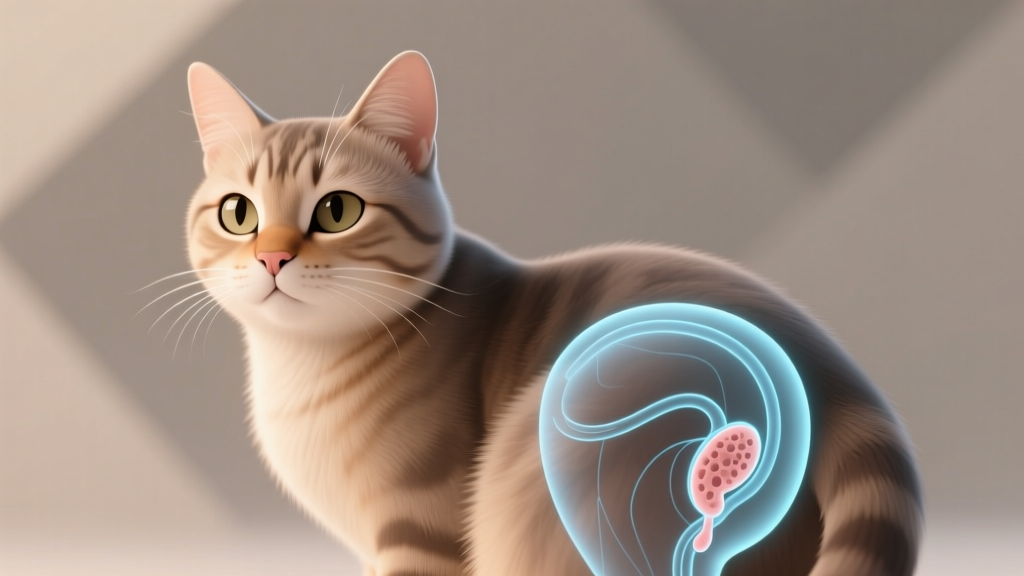
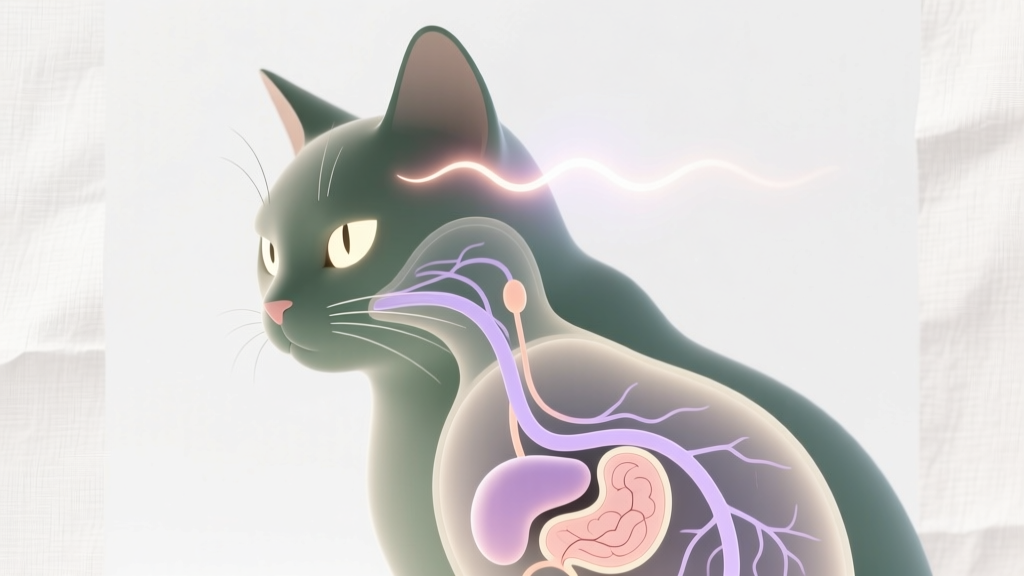
Acromegaly happens when a cat’s body is exposed to too much growth hormone (GH) for a long time. In cats, this usually occurs because of a benign (non-cancerous) pituitary tumor called an adenoma. The pituitary is a tiny gland at the base of the brain that controls several hormones.
Here’s the hormone chain in simple terms:
- The pituitary tumor releases excess growth hormone (GH).
- GH causes the liver and other tissues to produce IGF-1 (insulin-like growth factor 1).
- IGF-1 drives many of the “growth” effects throughout the body.
- GH and IGF-1 also cause insulin resistance, meaning insulin doesn’t work as well, so blood sugar stays high.
Because of that insulin resistance, many cats with acromegaly are diagnosed first as diabetic. Their caregivers may notice increasing insulin doses with limited improvement. Over time, excess GH/IGF-1 can enlarge soft tissues and bones, strain the heart, and affect kidneys and other organs.
3. Symptoms and warning signs to watch for
Acromegaly often develops slowly. Some cats have obvious physical changes; others show mostly diabetes-related clues.
Diabetes-related clues
- Diabetes that’s difficult to regulate (blood glucose stays high despite careful treatment)
- Rising insulin requirements over weeks to months (your vet may describe “insulin resistance”)
- Increased thirst and urination
- Increased appetite, sometimes with weight gain
- Recurrent infections (urinary tract infections, skin/ear infections), especially in diabetic cats
Physical changes you may notice
- Weight gain or a “bigger” body frame despite controlled feeding
- Broadening face, wider nose bridge, more pronounced jaw
- Larger paws, thicker legs, or changes in how the cat fits into favorite beds/spaces
- Increased spacing of teeth or dental crowding over time
- Loud breathing/snoring due to soft tissue thickening in the upper airway
Other possible signs
- Lethargy or decreased willingness to jump/play
- Heart murmur or signs of heart disease (rapid breathing, exercise intolerance)
- Neurologic signs (less common, usually with larger tumors): behavior changes, circling, vision changes, seizures
Practical tip: If your cat has diabetes, keep a simple log of insulin dose, appetite, water intake, body weight (weekly if possible), and home glucose/CGM trends. Patterns help your veterinarian recognize insulin resistance earlier.
4. Causes and risk factors
The primary cause is a pituitary adenoma producing excess growth hormone. These tumors are often benign, but their hormone output and growth can still cause major health effects.
Known risk factors and patterns:
- Middle-aged to older cats are more commonly affected.
- Male cats are overrepresented in many studies, though females can be affected too.
- Diabetes mellitus: A large percentage of cats with acromegaly are diabetic, and acromegaly may be more common among diabetic cats than previously thought.
There’s no single lifestyle factor proven to “cause” acromegaly. Most owners did nothing wrong; it’s a hormone tumor that develops silently.
5. Diagnosis: methods and what to expect at the vet
If your veterinarian suspects acromegaly—often due to insulin resistance or physical changes—diagnosis usually involves a combination of lab testing and imaging.
Common tests
- IGF-1 blood test: This is a key screening test. High IGF-1 supports acromegaly because it reflects long-term GH exposure. Your vet may recommend that diabetes be present and/or controlled for a short time before testing, since IGF-1 can be lower early in uncontrolled diabetes.
- Fructosamine: Helps assess average blood sugar control over the past 1–3 weeks.
- Routine bloodwork and urinalysis: Checks kidney function, liver values, infection, and diabetic complications.
- Blood pressure measurement: Hypertension can occur with diabetes and other endocrine disease.
Imaging
- CT or MRI of the brain: Confirms and measures a pituitary mass and helps guide treatment planning (especially if considering radiation therapy or surgery).
- Echocardiogram (heart ultrasound): May be recommended to assess heart thickening/cardiomyopathy related to hormone effects.
What the visit may look like: Expect a detailed history (insulin dose trends matter), a thorough physical exam (jaw, paws, body condition, heart), blood and urine tests, and then discussion of next steps. If advanced imaging is recommended, your vet may refer you to an internal medicine specialist or veterinary neurologist. Imaging generally requires anesthesia, so your team will discuss safety screening beforehand.
6. Treatment options (medical, surgical, and home care)
Treatment is tailored to your cat’s overall health, the size of the tumor, presence of diabetes/heart disease, and what’s available in your area. Many cats do well with a combination approach.
A. Treating the pituitary tumor (addressing the root cause)
- Radiation therapy (RT): A common and effective option that can shrink or control the pituitary tumor over time. As the tumor’s hormone output decreases, insulin resistance may improve. Effects are gradual—diabetes control may improve over weeks to months.
- Transsphenoidal hypophysectomy (pituitary surgery): Specialized surgery to remove the pituitary tumor. It’s available at select centers and requires intensive postoperative care and lifelong hormone management in many cases. In experienced hands, it can significantly improve or even resolve diabetes in some cats.
- Medical therapy to reduce GH effects: Some medications used in human acromegaly (such as somatostatin analogs) may be used in select cases under specialist guidance. Availability, cost, and response vary.
B. Managing diabetes and complications
Even with tumor-directed treatment, diabetes management remains crucial. Many acromegalic cats need high insulin doses at first. This is not a failure on your part—it’s a reflection of hormone-driven insulin resistance.
- Insulin therapy: Your veterinarian will choose an insulin type and adjust the dose carefully. Dose changes should be guided by a plan (home glucose curves, a continuous glucose monitor, or in-clinic curves).
- Diet: Most diabetic cats benefit from a high-protein, low-carbohydrate canned diet. Your vet will personalize recommendations, especially if kidney disease or other conditions are present.
- Monitoring: Home blood glucose testing or a CGM can improve safety and control. It also helps detect when insulin needs drop after radiation or surgery (preventing dangerous hypoglycemia).
- Managing infections: Prompt treatment of UTIs, dental disease, or skin infections helps improve glucose control.
C. Home care actions you can start now (with veterinary guidance)
- Weigh your cat weekly (same scale, same time of day) and record it.
- Track water intake if possible (especially in multi-cat homes, note litter box volume and frequency).
- Ask about home glucose monitoring or a CGM if regulation has been challenging.
- Keep insulin consistent: same timing, correct storage, and proper injection technique. If you’re unsure, request a hands-on refresher—vet teams are happy to help.
- Watch for hypoglycemia signs (see emergency section). Tumor treatment can lower insulin needs unexpectedly.
Always consult your veterinarian before changing insulin dose, diet, or adding supplements. With acromegaly, insulin requirements can shift, and safe adjustments are important.
7. Prevention strategies and early detection tips
There’s no proven way to prevent pituitary tumors, but early detection reduces complications and improves management options.
- If your cat has diabetes, ask about acromegaly screening when:
- Insulin dose keeps increasing
- Blood sugar remains high despite good technique and diet
- Your cat gains weight or develops a broader head/paws
- Schedule regular rechecks: diabetic cats often need more frequent visits until stable, then routine monitoring.
- Monitor at home: appetite, thirst, urination, weight, and activity changes are early clues.
- Dental care and infection control: keeping inflammation and infection low can help overall stability and comfort.
8. Prognosis and quality of life considerations
Many cats with acromegaly can have a good quality of life, especially when diabetes is managed and the tumor is treated or controlled. Prognosis depends on:
- How advanced the disease is at diagnosis
- Presence of heart disease or high blood pressure
- Kidney function and other age-related conditions
- Access to tumor-directed therapy (radiation or surgery) and close monitoring
Quality of life is a central goal. Signs your plan is working include stable appetite and hydration, improved energy, fewer extreme glucose swings, and comfortable breathing. If your cat has arthritis-like stiffness from tissue and bone changes, your veterinarian can recommend pain control options that are safe with diabetes and any kidney issues.
Caregiver reassurance: Managing acromegaly can feel intense at first, but most owners become confident with routines. Your veterinary team can help you build a realistic plan that fits your schedule and your cat’s personality.
9. When to seek emergency veterinary care
Seek urgent or emergency care right away if you notice any of the following:
- Signs of hypoglycemia (low blood sugar):
- Sudden weakness, wobbliness, trembling
- Disorientation, staring, unusual vocalizing
- Seizures or collapse
- Diabetic ketoacidosis (DKA) warning signs:
- Not eating or vomiting, especially in a diabetic cat
- Severe lethargy, dehydration
- Rapid or labored breathing
- Breathing distress (open-mouth breathing, fast breathing at rest, bluish gums)
- Sudden vision loss, severe neurologic changes (seizures, inability to stand, head tilt with severe disorientation)
If you suspect hypoglycemia and your cat is conscious and able to swallow, contact an emergency clinic immediately for instructions. Do not force liquids if your cat is not fully alert, as aspiration is dangerous.
10. FAQ: common questions about feline acromegaly
Is acromegaly cancer in cats?
Most pituitary tumors causing acromegaly are benign adenomas, meaning they don’t typically spread to other parts of the body. Even benign tumors can still cause serious problems by releasing excess hormones or pressing on nearby brain tissue.
Why does my cat need so much insulin?
Growth hormone causes insulin resistance, so the insulin you give doesn’t work as effectively. This often results in higher-than-typical insulin needs. Never increase doses on your own—work with your veterinarian and use glucose data to adjust safely.
Can acromegaly be cured?
Some cats achieve excellent control or even diabetic remission after successful pituitary surgery or effective radiation therapy. “Cure” depends on the treatment approach and the individual cat, but meaningful improvement is very possible.
How is IGF-1 testing used?
IGF-1 is a blood marker that reflects long-term growth hormone exposure. A high result strongly supports acromegaly, especially in a diabetic cat with insulin resistance. Your veterinarian may combine IGF-1 with imaging (CT/MRI) for confirmation and treatment planning.
Will my cat’s appearance go back to normal?
Some soft tissue changes may improve once hormone levels are better controlled, but bony changes can be permanent. The focus is on comfort, organ health, and stable diabetes management.
What can I do at home to help the most?
Use a consistent feeding and insulin routine, keep a simple daily log (appetite, water, insulin dose, glucose trends), attend scheduled rechecks, and ask about home glucose monitoring or a CGM. Most importantly, communicate changes promptly—small clues help your vet prevent big setbacks.
If you’re worried your cat’s diabetes isn’t responding normally, or you’re noticing gradual “growth” changes in the face, paws, or body size, schedule a veterinary appointment. Early testing for acromegaly can open doors to more targeted treatment and a better quality of life.
For more cat health explanations, care tips, and support for common feline conditions, visit catloversbase.com.