Cat Flea Allergy Dermatitis: Itchy Skin Treatment Plan
1. Why This Matters to Cat Owners
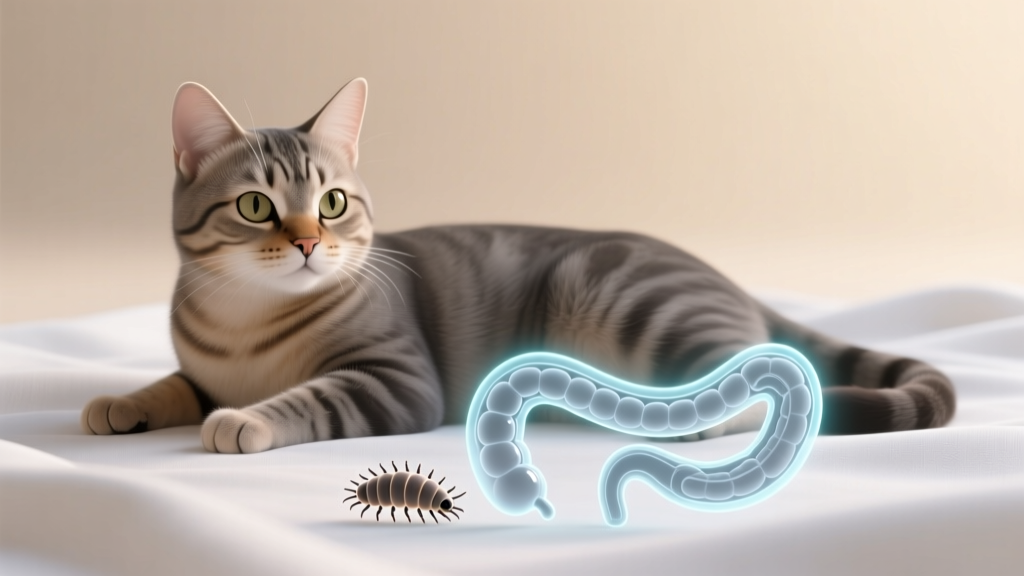
If your cat is suddenly scratching, chewing at their skin, or developing scabs—especially along the back or near the tail—you’re not alone. One of the most common causes of intense itchiness in cats is flea allergy dermatitis (FAD), an allergic reaction to flea saliva. Many loving owners feel confused because they never see fleas. The tricky part is that a cat with flea allergy dermatitis may react to just one or two bites, and cats are excellent groomers who remove evidence quickly.
The good news: flea allergy dermatitis is very treatable. With a clear plan that combines reliable flea control, itch relief, and skin healing, most cats feel significantly better within days to weeks. This article walks you through what FAD is, what to watch for, what your vet may do, and how to protect your cat long-term.
2. Overview: What Is Flea Allergy Dermatitis?
Flea allergy dermatitis is a hypersensitivity (allergic) reaction to proteins in flea saliva. When a flea bites, it injects saliva while feeding. In cats with FAD, the immune system overreacts, causing disproportionate itching and inflammation compared to the number of flea bites.
FAD is not simply “a few flea bites.” It’s an allergic skin disease that can lead to:
- Severe itching (pruritus)
- Inflamed, irritated skin
- Hair loss from licking and scratching
- Secondary infections (bacterial or yeast) due to broken skin
Cats often show FAD differently than dogs. Instead of obvious red welts, cats may develop scabs, hair loss, or a “peppered” rash called miliary dermatitis. Some cats mainly overgroom their belly or inner thighs. Because cats hide discomfort well, the problem may look mild until the itch is intense.
3. Symptoms and Warning Signs to Watch For
Common signs of flea allergy dermatitis include:
- Intense scratching, biting, or licking
- Scabs or crusts, often along the back, neck, or rump (miliary dermatitis)
- Hair loss—frequently at the base of the tail, lower back, belly, or inner thighs
- Redness and skin irritation
- “Hot spots” (moist, inflamed patches), less common in cats than dogs but possible
- Thickened skin over time from chronic licking/scratching
- Restlessness or irritability due to discomfort
Clues that fleas may be involved (even if you don’t see live fleas):
- Flea dirt (tiny black specks) in the coat, especially near the tail base
- Other pets in the home scratching
- Seasonal flare-ups (often warmer months), though indoor infestations can happen year-round
4. Causes and Risk Factors
The underlying cause is an allergic reaction to flea saliva. A few factors make flare-ups more likely:
- Any exposure to fleas (indoors or outdoors)
- Multi-pet households where one untreated pet maintains the flea life cycle
- Warm or humid environments that favor flea development
- Apartment buildings or shared spaces where fleas can hitchhike on people or other animals
- Outdoor access or contact with wildlife (stray cats, raccoons, opossums)
- History of allergies (some cats have multiple sensitivities, such as food or environmental allergies)
Even strictly indoor cats can get fleas—fleas can come in on shoes, clothing, or visiting pets, and their eggs can survive in carpets and upholstery.
5. Diagnosis: What to Expect at the Vet
There isn’t a single perfect test for flea allergy dermatitis. Diagnosis is usually based on a combination of history, exam findings, and response to treatment.
Your veterinarian may:
- Ask detailed questions about itch patterns, seasonality, flea preventatives, and other pets
- Perform a thorough skin and coat exam, focusing on the lower back and tail base
- Use a flea comb to look for fleas or flea dirt
- Check for secondary infection (bacterial/yeast) with skin cytology (microscope exam of skin cells)
- Rule out other causes like mites (cheyletiella, notoedres), ringworm, food allergy, or environmental allergies
Sometimes the most practical diagnostic tool is a strict flea control trial: if itch improves significantly with effective flea prevention and environmental control, that supports FAD.
If your cat has open sores, widespread hair loss, ear issues, or recurring skin infections, your vet may recommend additional testing such as fungal culture for ringworm, skin scrapings, or allergy workups.
6. Treatment Options: Medical Care, Home Care, and What Works Best
Successful treatment usually requires a three-part plan:
- Stop flea bites (fast and consistent flea control)
- Calm the allergic inflammation (itch relief)
- Repair the skin barrier (treat infection and support healing)
Medical Treatment (Veterinary-Directed)
-
Prescription flea preventatives:
- Your vet will recommend a product appropriate for cats (topical or oral, depending on what’s safe and available in your region).
- For FAD cats, consistency is non-negotiable—missing doses can trigger a flare.
- Never use dog flea products on cats. Some contain permethrins that can be life-threatening to cats.
-
Anti-itch and anti-inflammatory medications:
- Short courses of medication may be used to break the itch cycle and allow skin to heal.
- Your veterinarian may discuss options such as corticosteroids or other itch control medications depending on your cat’s age, health history, and severity.
-
Treatment for secondary skin infection:
- If your cat has pustules, odor, oozing, or significant redness, antibiotics or antifungals may be prescribed.
- Topical therapies (wipes, mousses, sprays) can be helpful, especially for localized lesions.
-
Pain/anxiety support (as needed):
- Severe itching can be stressful. Your vet may recommend additional supportive care to keep your cat comfortable while healing.
Home Care You Can Start Right Away
Home care is most effective when paired with veterinary guidance.
- Begin a vet-approved flea preventive for every pet in the household (cats and dogs). Treating only the itchy cat often fails.
- Wash bedding weekly (hot water if fabric allows) and dry on high heat.
- Vacuum frequently:
- Carpets, baseboards, couch cushions, under furniture
- Dispose of vacuum contents promptly (sealed bag or empty canister outdoors)
- Avoid over-bathing: frequent bathing can dry skin and worsen irritation. If your vet recommends a bath, use only cat-safe products.
- Use an e-collar or recovery collar if your cat is causing self-trauma (open sores from chewing/licking). This can be a huge help while medications kick in.
- Support the skin barrier:
- Feed a complete, balanced diet.
- Ask your veterinarian whether omega-3 fatty acid supplementation is appropriate for your cat.
Environmental Flea Control
Fleas spend much of their life cycle off the pet (eggs, larvae, pupae in the environment). If your home is heavily infested, your vet may recommend:
- Environmental treatments (products designed for the home) used carefully and according to label directions
- Professional pest control in severe cases, with strict instructions to keep cats safe during application
Surgical Treatment
Surgery is not a treatment for flea allergy dermatitis itself. Rarely, a cat may need wound care procedures (such as cleaning or debriding an infected lesion) if there is severe skin damage. Most cats do not require anything surgical.
7. Prevention Strategies and Early Detection Tips
The best prevention is year-round flea control—especially for cats with known or suspected flea allergy dermatitis.
- Use consistent, veterinarian-recommended flea prevention every month (or as labeled).
- Treat all pets in the household, not just the cat with symptoms.
- Reduce exposure:
- Limit contact with stray animals.
- Check pets after outdoor time (even supervised yard time can be enough for flea exposure).
- Do quick weekly coat checks:
- Comb the tail base and lower back.
- Look for flea dirt or new scabs.
- Act early: If you notice increased grooming, tiny scabs, or thinning hair, call your vet before the itch escalates.
Practical tip: Keep a simple calendar reminder for flea prevention doses, and write down any flare-ups to help your veterinarian identify patterns.
8. Prognosis and Quality of Life
With reliable flea control and appropriate medical management, the prognosis for flea allergy dermatitis is generally excellent. Many cats return to normal comfort once the itch cycle is stopped and flea exposure is controlled.
Quality of life considerations:
- Chronic sensitivity: Cats with FAD usually remain allergic for life, so prevention is ongoing.
- Skin recovery takes time: Itching may improve quickly, but hair regrowth and full skin healing may take weeks.
- Complications are manageable: Secondary infections and self-trauma respond well when treated promptly.
If flare-ups keep happening despite prevention, work with your veterinarian. Some cats have more than one problem at once (fleas plus food allergy, or fleas plus mites), and adjusting the plan can make a big difference.
9. When to Seek Emergency Veterinary Care
Flea allergy dermatitis itself is usually not an emergency, but complications can become urgent. Seek prompt veterinary care (same day if possible) if you notice:
- Open wounds, significant bleeding, or rapidly expanding skin sores
- Swelling of the face, hives, or sudden widespread redness
- Labored breathing, vomiting, collapse, or extreme lethargy (these are emergencies)
- Signs of severe infection: pus, strong odor, fever, marked pain when touched
- Not eating or drinking for 24 hours, especially in kittens or older cats
If you ever feel your cat’s discomfort is escalating quickly or they seem “not themselves,” it’s appropriate to call an emergency clinic for guidance.
10. FAQ: Common Questions Cat Owners Ask
Can my cat have flea allergy dermatitis if I don’t see any fleas?
Yes. Cats often groom fleas away before you spot them, and FAD cats may react to very few bites. Flea dirt, scabs near the tail base, and a strong response to flea control are common clues.
What’s the fastest way to help my cat stop itching?
The fastest relief usually comes from a combination of effective flea prevention plus vet-prescribed anti-itch medication when needed. If your cat is creating sores from licking or chewing, using a recovery collar can help immediately while treatment takes effect.
Do I need to treat my indoor-only cat for fleas?
For cats with flea allergy dermatitis, most veterinarians recommend year-round prevention, even indoors. Fleas can hitchhike into the home, and one bite can trigger a flare.
Should I treat my house too?
Often, yes—especially if you’ve seen fleas, flea dirt, or multiple pets are itchy. Vacuuming, washing bedding, and treating all pets are the foundation. In tougher infestations, your veterinarian may recommend a home treatment product or professional pest control.
Can I use over-the-counter flea products from the pet store?
Some are effective, but others are less reliable, and safety varies widely. Because cats are sensitive to certain insecticides, consult your veterinarian before applying any flea product. Never use dog flea medication on a cat.
How long until my cat’s skin looks normal again?
Many cats feel less itchy within days once fleas are controlled and inflammation is treated. Scabs and hair loss can take several weeks to fully resolve, especially if there was infection or extensive overgrooming.
If you suspect flea allergy dermatitis, schedule a veterinary visit so your cat can get the right itch relief and a prevention plan tailored to their age, weight, lifestyle, and medical history. For more practical cat health guidance and caring, owner-friendly resources, visit catloversbase.com.