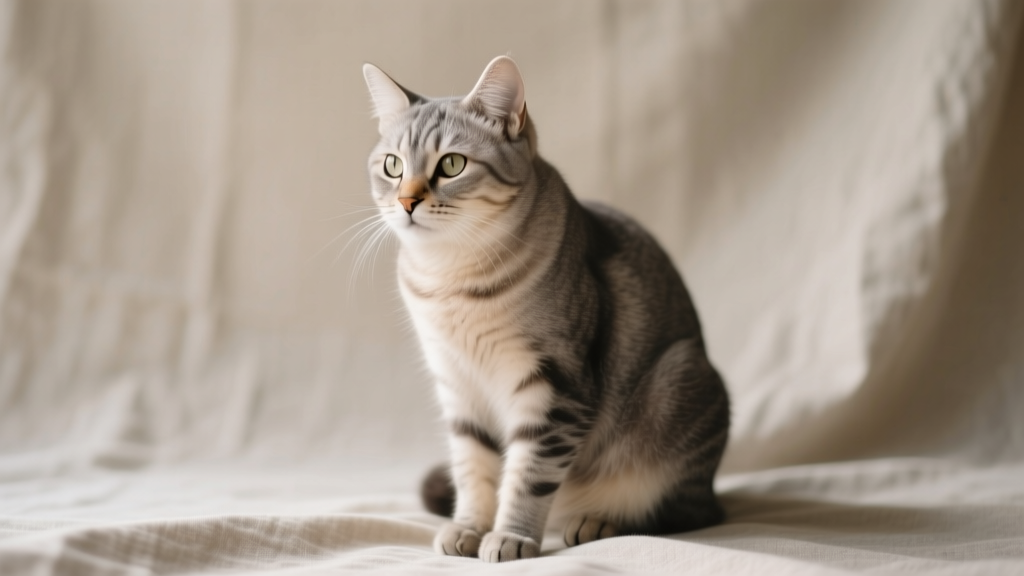
Hyperthyroidism in Senior Cats: Symptoms, Diagnosis & Care
What Is Feline Hyperthyroidism?
Hyperthyroidism is the most common endocrine disorder in cats over age 10, caused by excessive thyroid hormone (T4) production—usually due to a benign adenoma in one or both thyroid glands. It affects roughly 10% of cats aged 10+ (American College of Veterinary Internal Medicine, 2022). Unlike humans, malignant thyroid carcinoma is rare in cats (<2% of cases).
Key Symptoms to Watch For
Early signs are often subtle but progressive: unexplained weight loss despite increased appetite, hyperactivity, vocalization at night, and poor coat condition. Other red flags include vomiting (in ~50% of affected cats), increased thirst/urination, and tachycardia (>220 bpm at rest). A 2023 Cornell Feline Health Center study found that 68% of owners reported noticing behavioral changes before seeking veterinary care.
Diagnosis: Beyond the T4 Test
A baseline total T4 test is the first step—but false negatives occur in up to 20% of early or concurrent-illness cases. Vets may follow up with free T4 (by equilibrium dialysis), TSH measurement, or thyroid scintigraphy. The IDEXX SDMA test, launched in 2019, helps differentiate concurrent chronic kidney disease—a critical consideration since 30–40% of hyperthyroid cats also have CKD.
Treatment Options Compared
Four evidence-based treatments exist: daily methimazole (brand name Tapazole®, FDA-approved for cats since 2009), radioactive iodine (I-131) therapy, prescription iodine-restricted diet (Hill’s y/d®), and surgical thyroidectomy. I-131 offers >95% cure rate with single treatment (JAVMA, 2021), while methimazole controls symptoms in ~85% of cats but requires lifelong dosing and monitoring.
Emergency Signs Requiring Immediate Care
Severe hypertension (systolic BP >180 mmHg), acute heart failure (labored breathing, pale gums), or thyrotoxic crisis (fever >104°F, tremors, collapse) demand ER attention. In one real-world case, Luna, a 14-year-old domestic shorthair, developed sudden blindness from hypertensive retinal detachment—resolved only after emergency BP control and methimazole initiation within 6 hours.
Another example: Oliver, age 12, lost 2.3 lbs over 8 weeks while eating 30% more food. His resting heart rate was 240 bpm; echocardiography revealed left ventricular hypertrophy. After I-131 therapy in March 2024, his T4 normalized in 10 days and cardiac changes reversed by week 8.
Prevention isn’t possible—hyperthyroidism has no known environmental or dietary cause—but biannual senior wellness exams starting at age 10 improve early detection. Blood pressure screening, full chemistry panels, and T4 testing should be standard for cats over 10 years.
At-home monitoring matters too: weigh your cat monthly using a digital scale (e.g., AWS-100 Pet Scale), track appetite and litter box habits via apps like CatLog™ (v3.2, released May 2023), and note any new vocalizations or restlessness—especially between midnight and 4 a.m.
| Treatment | Success Rate | Median Cost (US) | Follow-up Needed |
|---|---|---|---|
| Methimazole (oral) | 85% | $45–$80/month | Liver enzyme checks every 2–4 weeks initially |
| I-131 Therapy | 95%+ | $1,400–$2,200 | Post-treatment T4 at 2, 4, and 12 weeks |
| Hill’s y/d® Diet | 72% (at 6 months) | $85–$110/month | T4 and renal panel every 3 months |