Feline Loa: Eye Worm Subconjunctival Migration
1. Why this topic matters to cat owners
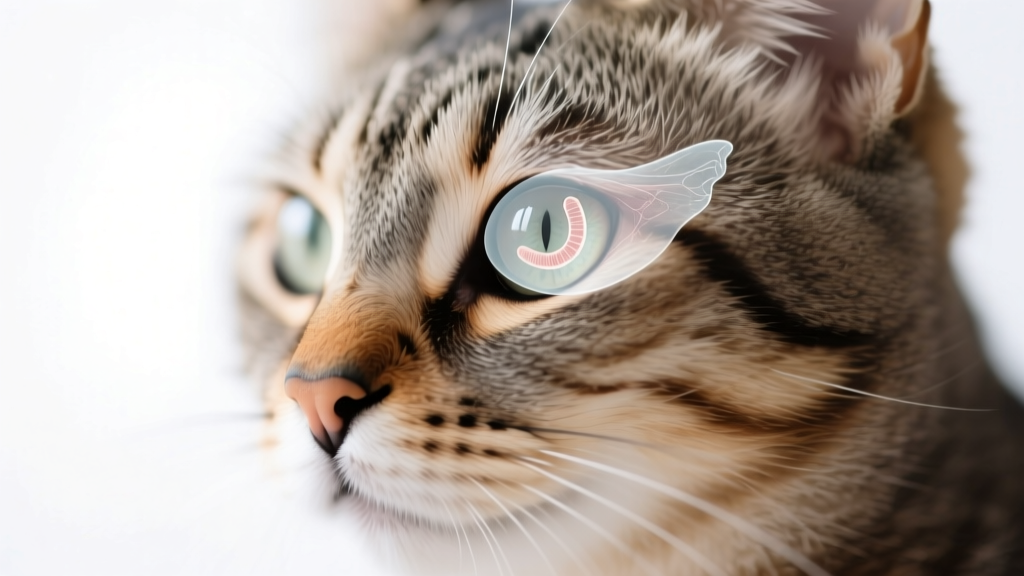
Anything involving a cat’s eyes can feel scary—eyes are delicate, discomfort is hard to miss, and changes can happen quickly. “Eye worm” sounds alarming, but having clear information helps you respond calmly and effectively. Subconjunctival migration refers to a worm-like parasite moving in the tissues on the surface of the eye (under the clear membrane called the conjunctiva). While this is uncommon in cats, similar presentations can occur, and prompt veterinary care can protect vision, reduce pain, and address any underlying infection or inflammation.
If you ever notice eye redness, swelling, sudden squinting, unusual discharge, or anything that looks like a thin moving strand on the eye, it’s a reason to call your veterinarian the same day. Early attention often means simpler treatment and a faster recovery.
2. Overview: what “subconjunctival migration” means (plain-language medical explanation)
The conjunctiva is the thin, clear-to-pink membrane that lines the eyelids and covers the white part of the eye. “Subconjunctival” means beneath that membrane. “Migration” means movement through tissue.
When people say “Feline Loa,” they’re usually referring to an eye-worm scenario that resembles Loa loa (a human filarial parasite known for moving across the eye). True Loa loa infection is associated with specific regions and is not considered a typical cat parasite. That said, cats can occasionally develop eye involvement from other parasites (including certain filarial worms or larval stages of other worms) that can travel through tissues and appear in or around the eye.
In a cat, a worm seen under the conjunctiva can cause:
- Mechanical irritation (it physically rubs and stretches tissues)
- Inflammation (the immune system reacts to the parasite and any bacteria it carries)
- Secondary eye problems (ulcers, conjunctivitis, uveitis, corneal damage)
This condition is best viewed as a medical emergency for the eye (even if your cat seems otherwise okay), because eye structures can deteriorate quickly when inflamed.
3. Symptoms and warning signs to watch for
Some cats show obvious discomfort, while others only have subtle changes at first. Watch for:
- Squinting or keeping one eye closed
- Excessive tearing (watery eye) or thicker discharge (yellow/green)
- Redness of the conjunctiva (“pink eye” appearance)
- Swelling around the eye or a “puffy” conjunctiva (chemosis)
- Pawing at the face or rubbing the eye on furniture/carpet
- Cloudiness on the cornea (the clear front window of the eye)
- Light sensitivity (hiding, avoiding bright windows)
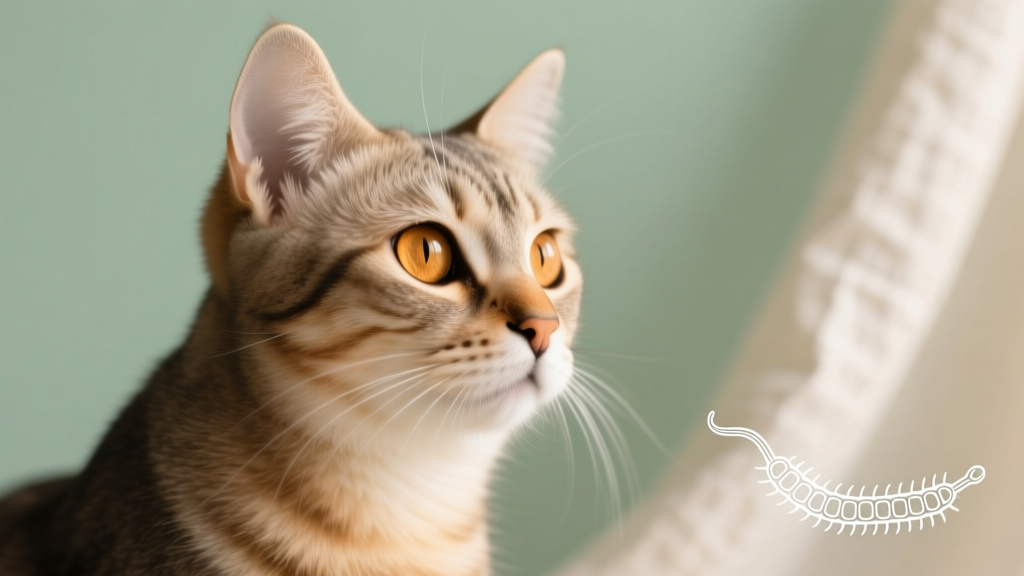
- A visible thin thread-like structure under the conjunctiva, sometimes described as “moving”
- Behavior changes due to pain (irritability, reduced appetite)
Act-now tip: If your cat is squinting, treat it as pain. Avoid attempting to rinse or manipulate the eye at home, and keep your cat from rubbing it (an e-collar can help if you already have one and your cat tolerates it).
4. Causes and risk factors
A worm-like parasite under the conjunctiva can occur due to several parasite types and routes of exposure. The exact organism varies by region, climate, and a cat’s lifestyle.
Potential causes
- Filarial worms (worm parasites transmitted by biting insects) that migrate through tissues
- Other larval parasites that travel aberrantly (end up in an unusual location like the eye)
- Secondary infection/inflammation that makes the eye more reactive and symptomatic once a parasite is present
Risk factors that make exposure more likely
- Outdoor access (more contact with insect vectors and wildlife)
- Living in warm, humid, or mosquito-heavy regions
- Lack of routine parasite prevention (heartworm and other preventives may reduce risk depending on product and region)
- High exposure to biting insects (mosquitoes, flies), especially at dawn/dusk
- Rescues/strays with unknown preventive history
Reassurance: Most cats with good preventive care never experience anything like this. When it does happen, veterinary treatment is typically very effective.
5. Diagnosis: what to expect at the vet
Because eye conditions can worsen quickly, veterinarians will usually prioritize a same-day exam. Diagnosis focuses on (1) confirming what’s happening in the eye and (2) identifying the parasite and any complications.
Typical steps during the visit
- History and risk assessment: outdoor time, travel, insect exposure, current preventives, onset of symptoms
- Full eye exam using an ophthalmoscope and magnification
- Fluorescein stain to check for corneal ulcers (very common when an eye is irritated)
- Tear production test (Schirmer tear test) if dryness is suspected
- Intraocular pressure check to screen for glaucoma/uveitis complications
- Visualizing the parasite: the veterinarian may see a moving or thread-like structure under the conjunctiva
Lab testing that may be recommended
- Bloodwork (general health check, inflammation markers)
- Blood smear or specialized parasite testing depending on what parasite is suspected
- Fecal testing if broader parasite exposure is likely
- Identification of the worm if removed (sent to a lab for species confirmation)
What you can do to help diagnosis: If you can safely take a clear photo or short video of the eye changes (without restraining aggressively), bring it to your appointment. Symptoms sometimes come and go, and visuals can help your vet.
6. Treatment options (medical, surgical, and home care)
Treatment depends on the parasite type, whether the worm is accessible, and how inflamed or damaged the eye is. Your veterinarian may involve a veterinary ophthalmologist for advanced cases.
Parasite removal (often the most direct solution)
- Subconjunctival extraction: If the worm is visible and reachable, the vet may numb the eye and remove it through a small incision in the conjunctiva.
- Sedation/anesthesia: Many cats need mild sedation or general anesthesia to keep them safe and still. This also prevents accidental injury to the eye.
Removal usually provides rapid relief because the source of irritation is gone.
Medications your vet may prescribe
- Topical antibiotics (eye drops/ointment) if there is secondary infection or to protect healing tissue
- Anti-inflammatory medications:
- Topical anti-inflammatories may be used, depending on ulcer status and eye findings
- Oral anti-inflammatories/pain relief may be prescribed for comfort
- Antiparasitic therapy:
- Specific drugs depend on the suspected species and the cat’s health
- Your vet will choose the safest protocol; some antiparasitics can cause strong reactions if parasite burdens are high
- Lubricating drops to soothe the surface of the eye while it heals
Home care (what you can do safely)
- Use medications exactly as prescribed. Eye meds work best on schedule.
- Prevent rubbing with an e-collar if recommended.
- Keep your cat indoors during treatment to reduce contamination and re-exposure to insects.
- Monitor appetite and behavior. Eye pain often improves within 24–72 hours after appropriate care; if it doesn’t, call your vet.
- Do not attempt to remove a worm at home. Even gentle pulling can tear delicate tissues or rupture the worm, increasing inflammation.
Practical medication tip: If you struggle with eye drops, ask your vet team to demonstrate technique. Many cats do better with ointment than drops, and your vet can tell you what’s appropriate for your cat’s condition.
7. Prevention strategies and early detection tips
Prevention focuses on reducing parasite exposure and catching eye trouble early.
Actionable prevention steps
- Keep your cat on veterinarian-recommended parasite prevention year-round, especially if mosquitoes and flies are common where you live.
- Limit outdoor exposure (or use a catio/leash walks) to reduce contact with insect vectors.
- Reduce insects around the home:
- Repair window/door screens
- Remove standing water near the house
- Use pet-safe environmental controls as advised by your vet
- Schedule routine wellness exams. Subtle eye changes are easier to catch early with regular checkups.
Early detection tips at home
- Do a 10-second eye check a few times a week: look for symmetry, clarity, and lack of discharge.
- Notice “small” changes: new squinting, blinking, or tear staining can be an early clue.
- Track patterns: if signs flare after outdoor time or at dusk/dawn, mention that to your vet (it can hint at insect exposure).
8. Prognosis and quality of life considerations
With timely veterinary care, most cats do very well. Prognosis depends on:
- How quickly treatment begins
- Whether the cornea is ulcerated and how deep the ulcer is
- How much inflammation is present inside the eye (uveitis can require longer treatment)
- Whether the parasite is fully removed and whether additional parasites are present elsewhere in the body
Quality of life is typically excellent after treatment. Many cats return to normal behavior quickly once pain is controlled and the eye surface heals. Follow-up visits are important even if your cat looks better—your vet needs to confirm the eye is truly healing and that pressure inside the eye is normal.
9. When to seek emergency veterinary care
Eye issues can become urgent fast. Contact an emergency veterinary hospital or urgent care clinic if you notice any of the following:
- Sudden inability to open the eye or intense squinting
- A visible worm-like structure on or under the eye surface
- Cloudy/blue/white cornea or rapid change in eye appearance
- Bleeding from the eye or trauma (scratch, fight wound)
- Severe swelling of the conjunctiva or eyelids
- Signs of significant pain: yowling when touched, hiding, refusing food
- Unequal pupil size or a pupil that stays very large or very small
While you’re on the way to the vet: Keep your cat in a carrier, prevent face rubbing if possible, and avoid any human eye drops unless a veterinarian has specifically instructed you to use a particular product for your cat.
10. FAQ
Can cats really get “Loa loa” eye worms?
True Loa loa is best known as a human parasite and is not considered a typical cat infection. However, cats can develop eye involvement from other parasites that may look similar to an “eye worm.” The most helpful approach is to focus on the symptom (a parasite in/around the eye) and get prompt veterinary diagnosis and treatment.
Is an eye worm contagious to other pets or people?
Direct contagion is usually unlikely through casual contact, but some parasites require insect vectors (like mosquitoes or flies) to spread. That means if one pet is exposed, others in the same environment may also be at risk. Ask your veterinarian whether your other pets need screening or preventive adjustments. If you’re concerned about human risk, your vet can advise, and you can also consult your physician—especially if travel or unusual exposure is involved.
Will my cat go blind?
Most cats do not go blind when treated quickly. The risk to vision increases if there is a deep corneal ulcer, uncontrolled inflammation inside the eye, or delayed treatment. Rapid veterinary care is the best way to protect sight.
Can I flush my cat’s eye or try to remove the worm myself?
No. Home removal can seriously injure the eye, and flushing may not dislodge a parasite under the conjunctiva. It’s safest to keep your cat from rubbing the eye and get to a veterinarian the same day.
What does treatment usually cost?
Costs vary depending on whether sedation/anesthesia is needed, whether a specialist is involved, and what testing is required. Your veterinarian can provide an estimate after an exam. If finances are a concern, ask about staged diagnostics, payment options, or referral timing—many clinics will work with you to prioritize what’s most urgent for eye safety.
How can I reduce the chance this happens again?
Keep your cat on vet-recommended parasite prevention, reduce insect exposure (screens, eliminating standing water), and consider limiting outdoor time. Also schedule follow-up exams if your cat has had any eye parasite issue—your vet may recommend additional testing or preventive changes based on the suspected organism.
If your cat’s eye looks painful or “not normal,” trust your instincts and call your veterinarian. Caring, prompt treatment can make a big difference in comfort and long-term eye health. For more practical cat wellness guidance, visit catloversbase.com for additional cat health resources.