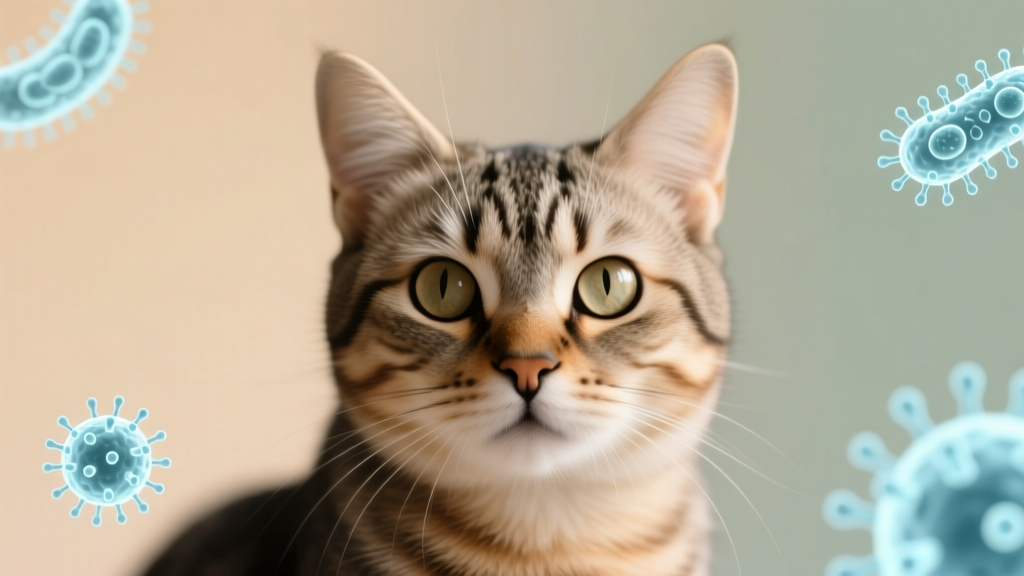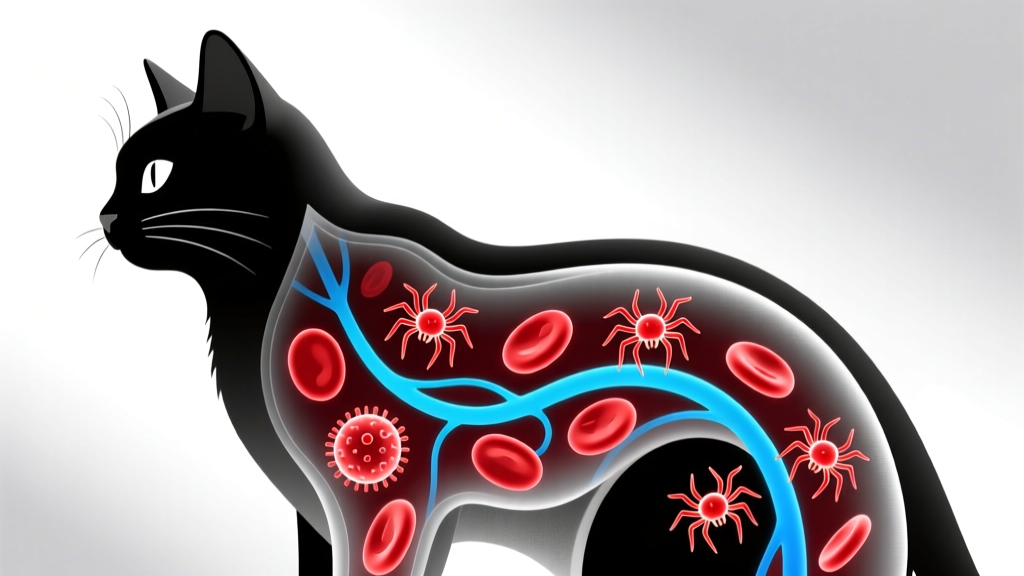
Feline Babesia: Red Blood Cell Parasite Disease
1. Why this topic matters to cat owners
Most cat owners are familiar with fleas and ticks, but fewer have heard of Babesia, a microscopic parasite that can infect a cat’s red blood cells. When red blood cells are damaged or destroyed, a cat can develop anemia and related complications that affect energy, appetite, and overall well-being. The good news is that many cases can be managed successfully with timely veterinary care.
Because early signs may look like “just not feeling well,” understanding feline Babesia helps you spot problems sooner, ask the right questions at the vet, and protect your cat—especially if you live in or travel to tick-prone areas or your cat spends time outdoors.
2. Overview: What is feline Babesia?
Babesiosis is a disease caused by Babesia parasites. These organisms are commonly transmitted by ticks in many species. In infected animals, Babesia parasites enter the bloodstream and invade red blood cells. The cat’s immune system recognizes infected red blood cells as abnormal and may destroy them, and the parasites can also directly damage the cells. The result can be:
- Anemia (low red blood cell count)
- Jaundice (yellow tint to the gums/skin/eyes due to red blood cell breakdown)
- Weakness and lethargy
- Fever and general illness
Babesiosis in cats is considered less common than in dogs, but it does occur. Cases may be underdiagnosed because symptoms can overlap with other conditions such as feline infectious anemia (Mycoplasma), immune-mediated anemia, toxins (like onions), chronic inflammation, or other tick-borne infections.
Babesia species vary by region. Some infections cause only mild illness, while others can become serious—especially in kittens, older cats, cats with other diseases, or cats with weakened immune systems.
3. Symptoms and warning signs to watch for
Babesia signs can appear suddenly or develop gradually. Some cats show subtle changes at first.
Common signs cat owners may notice
- Low energy, sleeping more than usual, reluctance to play
- Decreased appetite or picky eating that is new for your cat
- Pale gums (instead of healthy bubblegum pink)
- Fast breathing or getting tired easily
- Weight loss over days to weeks
- Fever (may show as warm ears, hiding, acting uncomfortable)
Signs that suggest anemia or red blood cell breakdown
- Yellow gums or whites of the eyes (jaundice)
- Dark urine (can look tea-colored)
- Rapid heart rate (often noticed by your veterinarian)
- Weakness, wobbly walking, or collapsing
Practical at-home checks you can do today
- Look at the gums: Lift the lip and check color. Pale or yellow gums warrant a vet visit.
- Count resting breaths: When your cat is sleeping, count breaths for 30 seconds and multiply by 2. Consistently high rates or labored breathing should be evaluated.
- Monitor litter box habits: Note urine color and frequency, and bring photos (yes, it helps) if you see dark urine.
4. Causes and risk factors
The main concern with Babesia is how the parasite is acquired and which cats are more likely to become ill.
How cats can become infected
- Tick exposure: Ticks can transmit Babesia while feeding. Risk is higher in wooded, grassy, or brushy areas.
- Blood exposure (rare but possible): Transmission through blood transfusion is a consideration in any blood parasite disease, which is why donor screening matters.
- Outdoor fighting/wounds: Less clearly linked than in some other infections, but any exposure to blood increases theoretical risk.
Cats at higher risk
- Outdoor cats or indoor/outdoor cats
- Cats in tick-endemic regions or those who travel/camp with owners
- Stray or recently rescued cats with unknown parasite prevention history
- Kittens and senior cats
- Cats with chronic illness (kidney disease, cancer) or immunosuppression
5. Diagnosis: methods and what to expect at the vet
Because Babesia can resemble other causes of anemia, a veterinarian will typically take a step-by-step approach. Expect a discussion about tick exposure, travel, and any recent illness, medications, or toxin risks.
Common diagnostic tests
- Physical exam: Gum color, hydration, temperature, heart and lung assessment, abdominal palpation.
- Complete blood count (CBC): Evaluates anemia severity, red blood cell characteristics, and whether the body is trying to regenerate red blood cells.
- Blood smear: A technician or veterinarian examines a stained blood sample under the microscope to look for parasites inside red blood cells. This can be helpful but may miss low-level infections.
- Biochemistry panel: Checks organ function (especially liver and kidneys) and looks for changes consistent with red blood cell breakdown.
- Urinalysis: Evaluates urine concentration and looks for pigment changes that can accompany hemolysis.
- PCR testing (send-out or in-house in some regions): Detects Babesia DNA and is often the most sensitive way to confirm infection and sometimes identify the species.
Other conditions your vet may rule out
- Mycoplasma haemofelis (feline infectious anemia)
- Immune-mediated hemolytic anemia
- FeLV/FIV (viruses that can affect immunity and blood health)
- Toxin exposure (certain foods, medications, or household substances)
- Internal bleeding or parasites such as severe fleas causing blood loss
If your cat is very weak or severely anemic, the vet may prioritize stabilization (oxygen, fluids, transfusion evaluation) before extensive testing.
6. Treatment options (medical, surgical, home care)
Treatment depends on the Babesia species, severity of anemia, and whether other infections or conditions are present. Most cases are managed medically; surgery is not typical for Babesia itself, but supportive care can be intensive.
Medical treatment
- Antiprotozoal/antimicrobial medications: Your veterinarian will choose a protocol based on current best practices, regional patterns, and your cat’s health status. Some medications used in other species may not be appropriate for cats, so never use leftover dog medications.
- Supportive care:
- Fluids (if dehydrated or to support circulation)
- Appetite support and anti-nausea medication if needed
- Fever control when appropriate
- Oxygen therapy for cats struggling with anemia-related low oxygen delivery
- Blood transfusion: In severe anemia, a transfusion can be life-saving while medications address the underlying parasite. Your vet may also discuss blood typing and cross-matching.
- Treating concurrent infections: Tick-borne diseases sometimes occur together. If testing suggests more than one infection, the plan may include additional medications.
Surgical treatment
Surgery is not a standard treatment for Babesia infection. Rarely, procedures may be needed for unrelated complications discovered during workup (for example, addressing internal bleeding from another cause). Your veterinarian will guide you if anything surgical is recommended.
Home care: what you can do
- Give medications exactly as prescribed: Set reminders and never stop early unless your vet advises it.
- Encourage rest: Keep activity low while your cat recovers from anemia.
- Track appetite and energy: Write down how much your cat eats, drinking habits, and litter box output.
- Reduce stress: Provide a quiet room, easy access to food/water, and a comfortable warm bed.
- Do not give human iron supplements or over-the-counter “blood builders” unless your vet specifically recommends them; they can be harmful or mask worsening disease.
If your cat refuses food for more than 24 hours, contact your veterinarian promptly. Cats can develop liver complications from prolonged inappetence.
7. Prevention strategies and early detection tips
Prevention focuses on tick control and prompt recognition of illness.
Tick prevention you can start now
- Use veterinarian-recommended tick preventives labeled for cats. Some dog products are toxic to cats, so always confirm the exact brand and formulation with your vet.
- Check your cat for ticks after outdoor time:
- Look around the head/neck, ears, under the collar area, armpits, groin, and between toes.
- If you find a tick, contact your vet for safe removal guidance or have it removed professionally.
- Keep grass trimmed and reduce brush in your yard if your cat spends supervised time outside.
- Consider keeping cats indoors or using a catio/leash walks to reduce tick exposure.
Early detection tips
- Schedule regular wellness visits, especially for outdoor cats.
- Know your cat’s normal: typical gum color, energy level, appetite, and weight.
- Act quickly on subtle changes: A “quiet” cat who stops greeting you or eats less for a couple days deserves a checkup.
8. Prognosis and quality of life considerations
Many cats improve with appropriate treatment, especially when diagnosed early and before anemia becomes severe. Prognosis depends on:
- How low the red blood cell count is at diagnosis
- How quickly treatment begins
- Presence of other illnesses (FeLV/FIV, kidney disease, other infections)
- Response to medication and whether relapse occurs
Some cats may become chronic carriers, meaning they feel well but could still test positive and may relapse under stress or illness. Your veterinarian may recommend follow-up bloodwork or PCR testing after treatment to confirm response and guide long-term monitoring.
Quality of life at home
- Keep routine predictable to reduce stress during recovery.
- Offer highly palatable food and ask your vet about appetite support if needed.
- Plan follow-up visits: Monitoring anemia recovery is just as important as the initial treatment.
9. When to seek emergency veterinary care
Babesiosis can shift from mild to serious if anemia progresses. Seek urgent or emergency care if you notice:
- Collapse, extreme weakness, or inability to stand
- Labored breathing, open-mouth breathing, or very rapid breathing at rest
- Very pale or white gums
- Yellow gums/eyes with lethargy
- Dark brown/tea-colored urine, especially with decreased appetite or weakness
- Not eating for 24 hours (or 12 hours for kittens) or not drinking with signs of dehydration
- High fever or your cat seems painful, disoriented, or unusually unresponsive
If you’re unsure, call your veterinarian or an emergency clinic and describe gum color, breathing, appetite, and energy level. Those details help a team triage appropriately.
10. FAQ: Common questions about feline Babesia
Can humans catch Babesia from cats?
Babesia is generally transmitted by ticks rather than directly from pets to people. A cat with Babesia is not usually considered contagious through casual contact. The bigger concern is that ticks brought into the home can bite humans or other pets. Using tick prevention and checking for ticks helps protect the whole household. If you have health concerns or tick exposure, speak with your physician.
Is Babesia the same as flea anemia?
No. Flea anemia is blood loss anemia caused by heavy flea infestation (especially in kittens). Babesia causes anemia by infecting and damaging red blood cells from within. Both can lead to pale gums and weakness, and both require veterinary care, but the treatments are different.
My cat is indoor-only. Do I still need to worry about Babesia?
The risk is lower, but not zero. Ticks can hitchhike indoors on people, dogs, or other animals. Indoor cats can also be exposed if they visit a groomer, boarding facility, or go outside occasionally. Ask your veterinarian whether parasite prevention is recommended for your location and lifestyle.
How is Babesia different from Mycoplasma haemofelis?
Both can cause anemia and may be associated with tick or flea exposure, but they’re different organisms. Babesia is a protozoan parasite that infects red blood cells; Mycoplasma haemofelis is a bacterial-like organism that attaches to red blood cells. Testing (often PCR) helps distinguish them, and treatment plans can differ.
Will my cat need to be hospitalized?
Not always. Cats with mild illness may be treated as outpatients with medication and close follow-up. Hospitalization is more likely if your cat has significant anemia, dehydration, poor appetite, vomiting, breathing changes, or needs a blood transfusion or oxygen support. Your vet will recommend the safest plan based on exam and lab results.
What should I bring to the vet appointment?
Helpful items include:
- A list of current medications/supplements
- Notes on appetite, energy, water intake, and litter box changes
- Any tick prevention used (product name and last dose date)
- Photos of pale gums, dark urine, ticks found, or anything unusual
If you suspect Babesia or any cause of anemia, professional veterinary care is essential. Early testing and treatment make a real difference, and your veterinary team can tailor therapy to your cat’s needs and your region’s parasite risks.
For more cat health resources, wellness tips, and owner-friendly guides, visit catloversbase.com.