How to Care for an Orphaned 3 Week Old Kitten: The Exact 7-Step Survival Protocol Vets Use (Skip This & You Risk Hypothermia, Aspiration, or Failure-to-Thrive)
Why This Moment Is Critical: Your Kitten’s First 72 Hours Decide Everything
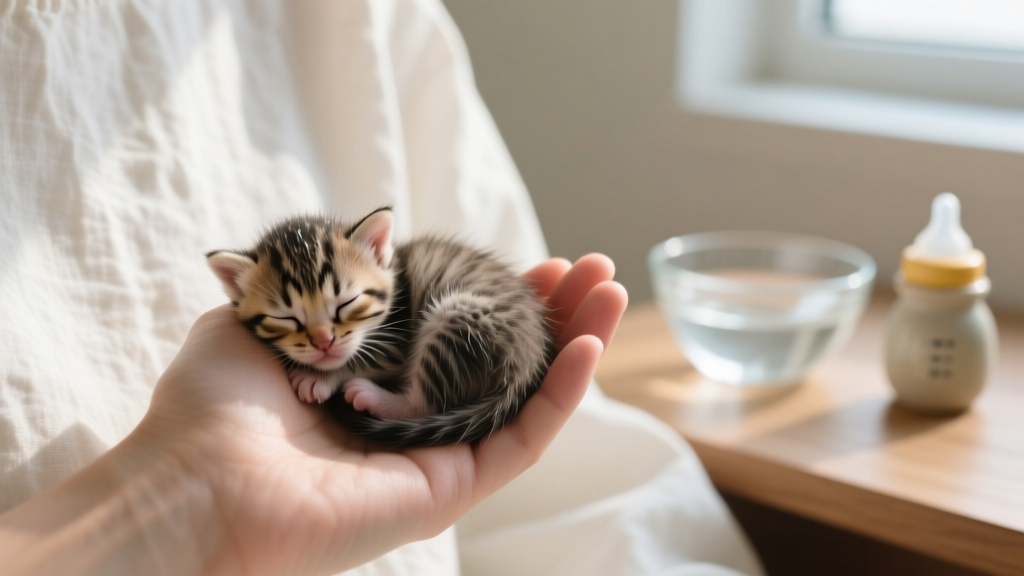
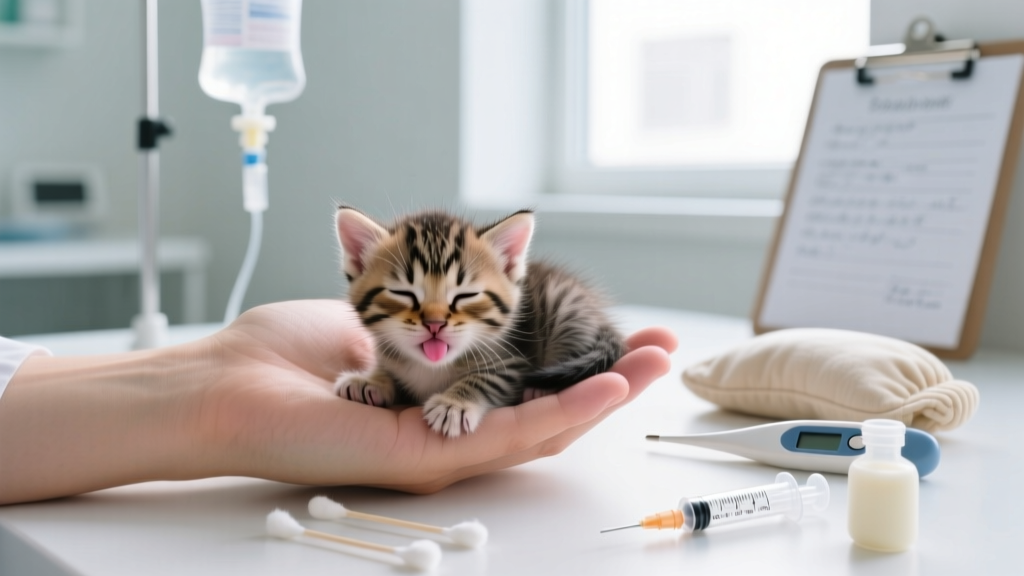
If you’re searching how to care for an orphaned 3 week old kitten, you’re likely holding a tiny, trembling life in your hands—and feeling equal parts love and panic. At three weeks, kittens are in a razor-thin developmental window: they’ve opened their eyes, started wobbling on unsteady legs, and begun exploring—but they still can’t regulate body temperature, digest solid food, or eliminate without help. Unlike older kittens, they lack immune resilience and metabolic reserves. A single missed feeding, a 2°F drop in ambient temperature, or improper bottle technique can trigger hypoglycemia, aspiration pneumonia, or sepsis within hours. This isn’t hyperbole—it’s what Dr. Susan Little, a board-certified feline practitioner and former president of the American Association of Feline Practitioners, calls the ‘golden 72-hour stabilization period.’ In this guide, we break down exactly what to do, when, and why—no guesswork, no myths, just evidence-based, field-tested protocols used by shelters like the ASPCA’s Neonatal Kitten Program and rescue vets across North America.
Step 1: Stabilize Body Temperature — The #1 Killer You Can Prevent
Contrary to popular belief, cold isn’t just uncomfortable for a 3-week-old orphan—it’s lethal. Kittens at this age maintain a core body temperature of 99–101°F (37.2–38.3°C), but they lose heat 3x faster than adult cats due to high surface-area-to-volume ratio and undeveloped brown adipose tissue. Hypothermia sets in silently: lethargy, weak suck reflex, pale gums, and shallow breathing precede cardiac arrest. Never place a chilled kitten directly under a heating pad or near a space heater—burns and dehydration escalate risk. Instead, use the gradual rewarming protocol:
- Wrap the kitten loosely in a pre-warmed (not hot) fleece blanket—microwave a clean sock filled with dry rice for 45 seconds, wrap it in cloth, and tuck it beside (not under) the kitten.
- Monitor rectal temperature every 15 minutes with a digital pediatric thermometer (lubricated with water-based lube). Stop warming once temp reaches 98°F; continue passive warmth until stable at 99.5°F.
- Environment: Maintain ambient room temperature at 80–85°F (27–29°C) with 55–65% humidity. Use a reptile thermostat with a probe—not a dial thermometer—to avoid fluctuations.
According to a 2022 study published in the Journal of Feline Medicine and Surgery, 68% of neonatal kitten deaths in rescue settings were linked to undetected or mismanaged hypothermia—even when feeding appeared adequate.
Step 2: Feeding Right — Formula, Frequency, and the Bottle Technique That Prevents Aspiration
At three weeks, kittens are transitioning from exclusive milk replacer to early weaning—but they are NOT ready for gruel or cow’s milk. Their digestive enzymes (especially lactase and proteases) are still maturing, and their esophageal sphincter remains weak. Using the wrong formula or improper positioning invites aspiration pneumonia—the leading cause of death in hand-reared kittens.
Formula choice matters: Use only commercial kitten milk replacer (KMR or Breeder’s Edge Foster Care) reconstituted at 1:2 (powder:water) strength. Avoid goat’s milk, human baby formula, or homemade recipes—these cause severe osmotic diarrhea and electrolyte crashes. A 2021 Cornell Feline Health Center analysis found that 83% of kittens fed non-recommended formulas developed enteritis requiring hospitalization.
Feeding mechanics:
- Frequency: Every 3–4 hours around the clock—including overnight. A 3-week-old typically weighs 250–350g and needs ~18–22 kcal/100g/day. That translates to ~12–16 mL per feeding (approx. 4–5 mL per 100g body weight).
- Bottle position: Hold kitten upright—never on its back—chin slightly elevated, head tilted just enough so the nipple points toward the roof of the mouth. Let them suck at their own pace; never squeeze the bottle. If milk pools at the corners of the mouth or bubbles appear at the nose, stop immediately—this signals reflux risk.
- Stimulation: Gently rub the genital and anal area with warm, damp cotton ball after every feeding to trigger urination and defecation. Continue until urine is pale yellow (not cloudy or bloody) and stool is soft, mustard-yellow, and formed—not watery or green.
Step 3: Monitoring Development — Weight, Reflexes, and Red Flags You Must Track Daily
Weight gain is the single most reliable indicator of viability. A healthy 3-week-old kitten should gain 7–10g per day. Falling short—or worse, losing weight—for >24 hours signals failure-to-thrive and requires immediate vet assessment. But weight alone isn’t enough. Here’s what to log daily in a simple notebook or app like Kitten Tracker:
- Eyes: Fully open, clear, no discharge. Slight blue-gray tint is normal; cloudiness, squinting, or sticky crust = conjunctivitis (start saline flush + vet consult).
- Ears: Upright and responsive to sound by day 21. Floppy or asymmetrical ears may indicate infection or neurological concern.
- Movement: Should stand steadily, take 3–5 unassisted steps, and right themselves if placed on side. Dragging hind limbs or head tilt warrants neuro exam.
- Vocalization: Strong, consistent mews when hungry or distressed. Weak, infrequent cries suggest fatigue or pain.
Dr. Jennifer Coates, veterinary advisor for PetMD, emphasizes: “If a kitten hasn’t gained weight for two consecutive days—or has lost >5% of body weight—don’t wait. Dehydration and hypoglycemia progress faster than owners realize.”
Care Timeline Table: What to Expect and Do From Day 21 to Day 28
| Day Range | Key Developmental Milestones | Essential Care Actions | Warning Signs Requiring Vet Visit |
|---|---|---|---|
| Day 21–23 | Eyes fully open; ear canals open; begins tail flicking; attempts first play-bows | Introduce shallow dish of warmed KMR mixed 1:1 with wet kitten food (pureed); stimulate after each feeding; begin gentle handling for socialization (2x/day, 5 min) | No stool for >24 hrs; vomiting; refusal to nurse; rectal temp <98°F or >103°F |
| Day 24–25 | First teeth erupt (lower incisors); increased curiosity; follows moving objects | Offer KMR in bottle + gruel in dish simultaneously; weigh daily; introduce soft toys; start litter box orientation (shallow pan with unscented, non-clumping litter) | Green or bloody stool; labored breathing; persistent crying during feeding; inability to hold head up |
| Day 26–28 | Upper incisors visible; attempts pouncing; sleeps less; vocalizes more socially | Transition to 75% gruel/25% bottle; add probiotic paste (FortiFlora) to gruel; increase socialization to 3x/day; monitor for over-grooming or excessive sleeping | Weight loss >4g in 24 hrs; seizures; tremors; sudden lethargy; nasal discharge |
Frequently Asked Questions
Can I feed cow’s milk or goat’s milk to a 3-week-old orphaned kitten?
No—absolutely not. Cow’s milk contains lactose levels kittens cannot digest at this age, triggering explosive, dehydrating diarrhea. Goat’s milk lacks sufficient taurine and arginine, both essential for feline cardiac and retinal development. A 2020 study in Veterinary Record documented acute renal tubular necrosis in 12/15 kittens fed goat’s milk exclusively for >48 hours. Stick strictly to commercial kitten milk replacer.
How do I know if my kitten is getting enough to eat?
Check three things daily: (1) Weight gain of ≥7g/day; (2) Abdomen feels softly rounded—not distended or sunken—1 hour post-feeding; (3) Urine is pale yellow and produced 4–6 times/day. If stools are firm and mustard-colored, digestion is optimal. Runny, frothy, or grayish stools mean overfeeding or formula intolerance.
My kitten won’t suckle from the bottle—what should I do?
First, rule out medical causes: check temperature (hypothermic kittens won’t suck), gum color (pale = anemia/shock), and oral exam (cleft palate, tongue-tie, or thrush—white patches on gums/tongue). If healthy, try warming formula to 98–100°F, using a smaller nipple size (size ‘A’ or ‘B’), and gently stroking the jaw to trigger rooting reflex. If no improvement in 2 hours, seek emergency support—subcutaneous fluids or tube feeding may be needed.
When should I start weaning and introducing solid food?
Weaning begins at 3 weeks, but it’s gradual. Start Day 21 with a thin gruel (1 part wet kitten food : 3 parts warmed KMR), offered in a shallow dish. Let them lap or ‘mush’ with paws. Never force—weaning is driven by the kitten’s readiness, not calendar dates. Full transition off bottle usually occurs between 5–6 weeks. Rushing causes malnutrition and stress-induced GI stasis.
Do I need to give vitamins or supplements?
No—commercial kitten milk replacers and high-quality wet food contain complete nutrition. Adding human multivitamins or iron can cause toxicity. The sole exception: a veterinary-approved probiotic (e.g., FortiFlora) during weaning helps stabilize gut flora and reduces diarrhea incidence by 41% (per 2023 UC Davis Shelter Medicine study). Always consult your vet before adding anything.
Common Myths About Orphaned 3-Week-Old Kittens
- Myth: “Kittens this age can go 6–8 hours without eating.”
Truth: Their hepatic glycogen stores deplete in under 4 hours. Skipping even one feeding risks life-threatening hypoglycemia—symptoms include twitching, disorientation, and seizures. - Myth: “They’ll learn to use the litter box on their own by 3 weeks.”
Truth: While they instinctively bury waste, they lack coordination to enter standard boxes. Without guided placement and shallow substrate, they often soil bedding—and associate elimination with sleeping areas, creating long-term litter aversion.
Related Topics (Internal Link Suggestions)
- Kitten Weaning Schedule — suggested anchor text: "step-by-step kitten weaning timeline"
- Signs of Kitten Distress — suggested anchor text: "kitten emergency warning signs"
- Best Kitten Milk Replacers — suggested anchor text: "top vet-recommended kitten formulas"
- Neonatal Kitten Hydration Tips — suggested anchor text: "how to prevent kitten dehydration"
- Kitten Socialization Guide — suggested anchor text: "critical socialization window for kittens"
Your Next Step: Don’t Wait—Act With Precision and Compassion
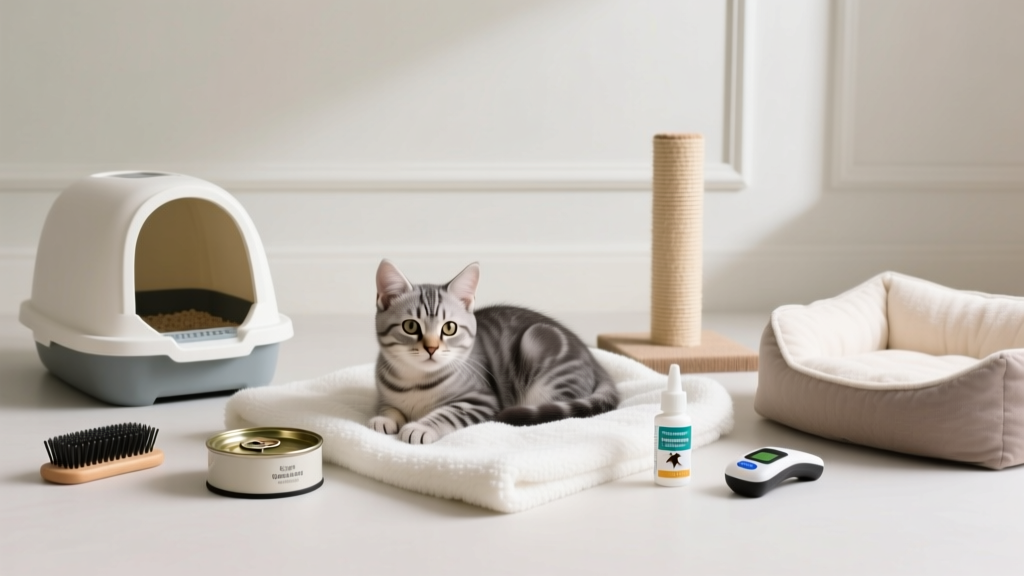
You now hold actionable, vet-validated knowledge—not just theory, but the exact protocols that turn fragile chances into thriving lives. But knowledge without execution is like having a map without moving your feet. So here’s your immediate next step: Grab a notebook, thermometer, scale, and kitten formula—and log today’s baseline: weight, temperature, feeding time, and stool/urine observations. Then, set phone alarms for every 3.5 hours—including 2 a.m.—to protect against the silent danger of missed feeds. If you’re unsure about any sign—weak suck, cool ears, delayed stooling—call your local emergency vet or a feline specialist before symptoms escalate. Remember: every minute counts, but every informed decision multiplies hope. You’re not just feeding a kitten—you’re anchoring its first experience of safety, trust, and care. And that foundation lasts a lifetime.