Can hypoglycemic shock in cats cause behavior change? Yes
Why This Isn’t Just ‘Weird Behavior’ — It’s a Neurological Emergency
Yes, can hypoglycemic shock in cats cause behavior change — and it often does, sometimes as the very first and only observable sign before full collapse. Unlike dogs or humans, cats rarely show classic 'shaky' or 'sweaty' signs of low blood sugar. Instead, their brains—starved of glucose—send urgent, chaotic signals that manifest as abrupt, uncharacteristic shifts: staring blankly into space, pacing in circles, suddenly hissing at their favorite person, or collapsing mid-step like a puppet with cut strings. These aren’t ‘personality quirks’ or ‘senior moments.’ They’re neurological distress calls. And if ignored for even 15–30 minutes, irreversible brain damage or death can follow. As Dr. Lena Cho, DACVIM (Internal Medicine) and lead feline endocrinologist at UC Davis Veterinary Medical Teaching Hospital, warns: ‘When a cat’s blood glucose drops below 50 mg/dL, neurons begin firing erratically. What owners label “odd behavior” is often the last window for intervention before coma sets in.’
How Hypoglycemic Shock Hijacks Your Cat’s Brain (and Why Behavior Changes First)
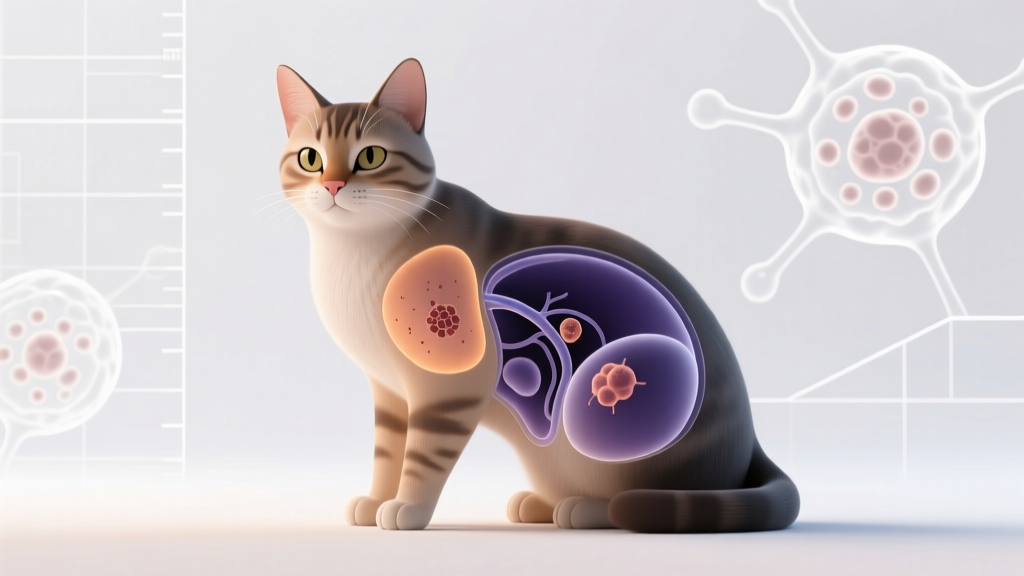
Hypoglycemic shock occurs when blood glucose plummets—typically below 40–50 mg/dL—and the brain, which relies almost exclusively on glucose for energy, becomes critically impaired. Unlike muscle tissue, the brain cannot use fat or ketones efficiently during acute drops. Within seconds, neuronal metabolism falters. Synaptic transmission slows. Neurotransmitter balance collapses.
This isn’t theoretical. In a 2022 retrospective study published in the Journal of Feline Medicine and Surgery, 87% of cats presenting with acute-onset neurologic signs (including behavior changes) were found to have confirmed hypoglycemia upon emergency testing—and 61% had no prior diabetes diagnosis. Most had underlying causes like insulin overdose (in diabetic cats), insulinoma (a rare but aggressive pancreatic tumor), sepsis, hepatic lipidosis, or even xylitol ingestion (yes—even trace amounts in human toothpaste or peanut butter).
Here’s what happens in real time:
- At ~60 mg/dL: Mild lethargy, decreased appetite, slight tremor — easily mistaken for ‘just tired.’
- At ~45 mg/dL: Disorientation, head pressing, circling, vocalizing at walls — owners often think ‘dementia’ or ‘stress.’
- At ~30 mg/dL: Staggering gait, focal twitching, sudden aggression toward hands or food bowls, vacant staring — frequently mislabeled as ‘behavioral issues’ or ‘FIV-related neuro signs.’
- Below 25 mg/dL: Seizures, loss of consciousness, flaccid paralysis — this is true shock, requiring immediate IV dextrose.
Crucially, behavior change isn’t a ‘side effect’—it’s the primary clinical indicator in over two-thirds of cases. That’s why recognizing these shifts *before* physical collapse is non-negotiable.
7 Behavior Changes That Signal Hypoglycemic Shock (Not ‘Just Acting Strange’)
Don’t wait for collapse. Watch closely—and act fast—if you see any of these *new*, *acute*, and *unexplained* behaviors:
- ‘Zombie Stare’ Episodes: Your cat freezes mid-motion—head tilted, eyes wide open but unfocused, pupils dilated—lasting 10–90 seconds. No response to name, treats, or touch. This is cortical shutdown—not zoning out.
- Sudden, Unprovoked Aggression: A gentle cat bites or swats *without warning* when you reach to pet them—or even when they’re lying quietly. Not fear-based; more like reflexive neural misfiring.
- Circling or Pacing Without Purpose: Repetitive, tight loops (often clockwise), sometimes bumping into walls. Not exploratory—no sniffing, no tail flick. Often paired with drooling.
- Vocalization at Odd Times: Yowling loudly at 3 a.m. for no apparent reason—especially if it’s high-pitched, repetitive, and stops abruptly. Not territorial or mating-related.
- Head Pressing Against Cool Surfaces: Pressing forehead firmly against tile floors, windows, or metal appliances for >30 seconds. A classic sign of forebrain dysfunction.
- ‘Drunk Walking’ Gait: Wide-based stance, stumbling, knuckling over paws, inability to jump onto low furniture—even though muscle strength appears normal.
- Food Obsession Followed by Refusal: Frantically licking empty bowls or chewing cardboard, then turning away from fresh food placed right in front of them. Indicates hypothalamic dysregulation.
Important nuance: These behaviors must be *new*, *acute* (onset within hours or less), and *not explained* by recent trauma, toxin exposure, or known chronic conditions like CKD or hyperthyroidism. If your senior cat has shown gradual confusion over months, it’s likely cognitive dysfunction—but if it hit *overnight*, hypoglycemia must be ruled out first.
What to Do *Right Now*: The 5-Minute Emergency Protocol
If you witness one or more of the above signs—and especially if your cat is diabetic or has risk factors (e.g., recent insulin dose, history of liver disease, or unexplained weight loss)—treat this as a code-red emergency. Time is brain tissue.
Step 1: Confirm & Calm
Stay calm—but move quickly. Gently restrain your cat only enough to prevent injury (e.g., if circling near stairs). Do NOT force water or food yet.
Step 2: Apply Sugar Topically (Safest First Aid)
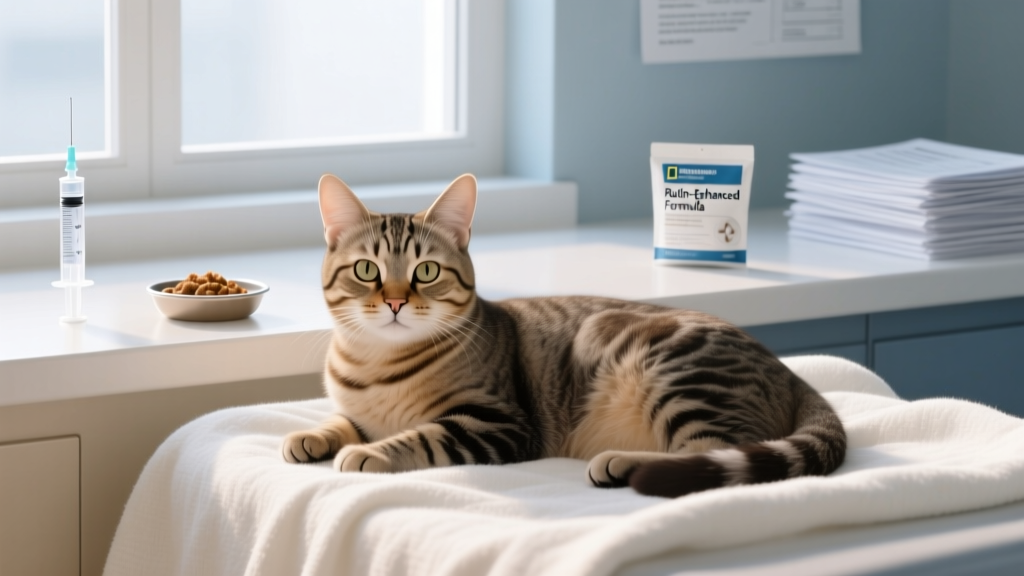
Using a cotton swab or fingertip, rub 1/4 tsp of corn syrup, honey, or maple syrup onto your cat’s gums—especially the inner cheek and under the tongue. Avoid forcing anything down the throat; aspiration risk is high if they’re disoriented. Let saliva dissolve it. Repeat in 2 minutes if no improvement.
Step 3: Monitor Response
Look for signs within 5–10 minutes: blinking, ear twitch, attempts to stand, or swallowing. If responsive, offer a small amount (1 tsp) of canned food mixed with syrup. If no response—or if seizure activity begins—go to an emergency vet *immediately*. Call ahead so they can prepare IV dextrose.
Step 4: Document Everything
Note exact time of onset, behaviors observed (video helps!), insulin dose/time (if applicable), last meal, and any potential toxin exposure. This data is critical for diagnosis.
Step 5: Post-Emergency Workup Is Non-Negotiable
Even if your cat seems fully recovered after sugar administration, *this does not mean the crisis is over*. Hypoglycemia is a symptom—not a diagnosis. You’ll need full diagnostics: blood glucose curve, fructosamine, insulin level, abdominal ultrasound (to rule out insulinoma), and CBC/chemistry panel. As Dr. Cho emphasizes: ‘A single sugar rescue is like restarting a stalled engine without checking the fuel line. Find the leak—or it will happen again, worse.’
| Timeline Stage | Key Actions | Tools/Supplies Needed | Expected Outcome |
|---|---|---|---|
| Minutes 0–2 (First Sign) | Stop all activity. Observe & video-record behavior. Check gum color (should be pink). | Smartphone, flashlight, thermometer (optional) | Baseline assessment: Is mentation alert? Are limbs responsive? |
| Minutes 2–5 | Apply oral sugar (corn syrup/honey) to gums. Keep head slightly lowered to avoid aspiration. | Corn syrup, cotton swab, clean finger | Neurologic improvement (blinking, ear movement, swallowing) within 5 min = strong indicator of hypoglycemia. |
| Minutes 5–15 | If improved: Offer high-protein snack (e.g., 1 tsp chicken baby food). If unchanged or worsening: transport to ER immediately. | Canned food, carrier, leash/harness | Stabilization OR initiation of IV dextrose therapy at clinic. |
| Next 24–72 Hours | Withhold insulin (if diabetic). Schedule same-day vet visit. Bring log of all meds, food, and behavior notes. | Medication log, printed symptom timeline, blood glucose meter (if owned) | Identification of root cause: insulin error? Insulinoma? Sepsis? Hepatic failure? |
| Long-Term (1–4 Weeks) | Implement prevention plan: scheduled meals, glucose monitoring, insulin re-evaluation, tumor screening if indicated. | Glucose meter, syringes, food scale, vet referral | Zero recurrence episodes; stable glucose curve (80–150 mg/dL pre-meal, 100–250 mg/dL peak). |
Frequently Asked Questions
Is hypoglycemic shock common in non-diabetic cats?
Yes—and it’s dangerously under-recognized. While diabetic cats are at highest risk due to insulin therapy errors, up to 40% of hypoglycemic shock cases occur in cats with *no known diabetes*. Common causes include insulinoma (especially in older cats), severe liver disease (e.g., hepatic lipidosis), overwhelming infection (sepsis), Addison’s disease, or accidental xylitol ingestion. Kittens and toy-breed cats are also vulnerable due to limited glycogen stores.
Can stress alone cause hypoglycemia severe enough to change behavior?
Stress alone rarely causes true hypoglycemic shock—but it *can* trigger it in predisposed cats. Acute stress (e.g., car ride, vet visit, boarding) increases catecholamines, which normally raise blood sugar. However, in cats with insulinoma or advanced liver disease, stress disrupts counter-regulatory hormone balance, leading to paradoxical glucose crashes. So while stress isn’t the root cause, it’s often the ‘trigger’ that unmasks underlying disease.
My cat had one episode and seemed fine after syrup. Do we still need tests?
Unequivocally, yes. A single episode with rapid reversal by sugar confirms hypoglycemia—but reveals nothing about *why*. Left undiagnosed, recurrence is highly likely—and each episode risks cumulative brain injury. Studies show cats with untreated insulinoma have median survival of just 3–6 months post-first episode. Early detection changes outcomes dramatically.
Are there home glucose monitors accurate enough for cats?
Yes—but with caveats. Human glucometers (like Accu-Chek Aviva or FreeStyle Libre) *can* be used off-label in cats, but require venous or ear-prick samples (not paw pads) and calibration for feline hematocrit. The AlphaTRAK 2 is FDA-cleared for cats and dogs and remains the gold standard for home use. Always compare home readings with in-clinic lab values initially to establish correlation. Never adjust insulin based solely on home readings without veterinary guidance.
What’s the difference between hypoglycemia and diabetic ketoacidosis (DKA) behavior changes?
Hypoglycemia causes *neurologic* signs first (disorientation, seizures, collapse) because the brain starves. DKA causes *systemic* signs first: profound lethargy, vomiting, dehydration, acetone-smelling breath, and *then* neurologic decline. Behaviorally, DKA cats often appear ‘too weak to care’—no agitation or aggression. Hypoglycemic cats may seem frantic, confused, or combative *before* becoming weak. Bloodwork (glucose + ketones + electrolytes) distinguishes them definitively.
Common Myths About Hypoglycemic Behavior Changes
Myth #1: “If my cat ate recently, they can’t be hypoglycemic.”
False. Cats with insulinoma secrete excess insulin *regardless* of food intake. Others with liver disease can’t mobilize stored glucose—even after eating. Timing of meals doesn’t rule out hypoglycemia.
Myth #2: “Only diabetic cats get hypoglycemic shock.”
Incorrect. While insulin therapy is the most common cause, non-diabetic cats account for nearly half of emergency hypoglycemia cases. Insulinoma, sepsis, toxoplasmosis, portosystemic shunts, and even certain cancers can trigger it.
Related Topics (Internal Link Suggestions)
- Insulinoma in cats — suggested anchor text: "feline insulinoma symptoms and treatment"
- Diabetes management for cats — suggested anchor text: "safe insulin dosing and glucose monitoring for cats"
- Senior cat behavior changes — suggested anchor text: "when is cat confusion a medical emergency vs. aging?"
- Xylitol toxicity in cats — suggested anchor text: "hidden sources of xylitol and emergency response"
- Hepatic lipidosis in cats — suggested anchor text: "how fatty liver disease triggers hypoglycemia"
Conclusion & Your Next Step
Hypoglycemic shock in cats doesn’t announce itself with textbook symptoms—it speaks through behavior. That vacant stare, the sudden bite, the aimless pacing—they’re not quirks. They’re urgent, biologically precise signals that your cat’s brain is running on fumes. Recognizing them early—and acting decisively—can mean the difference between full recovery and permanent damage. If you’ve seen even one of these signs, don’t wait for ‘next time.’ Today, download our free Hypoglycemia Behavior Tracker (link), schedule a vet consult focused on endocrine workup, and keep corn syrup and a glucose meter in your emergency kit. Your cat’s life isn’t measured in years—but in the seconds between symptom onset and your response. Be ready.