How to Take Care of a Sick Kitten Without Antibiotics: 7 Vet-Approved Supportive Care Steps That Actually Work (And When You *Must* Call the Vet)
Why This Matters More Than Ever Right Now
If you're searching for how to take care of a sick kitten without antibiotics, you're likely holding a fragile, lethargy-stricken baby cat—maybe just 3–8 weeks old—with runny eyes, sneezing, mild diarrhea, or refusal to nurse. And you’re rightly cautious: antibiotics are powerful tools, but they’re not harmless, especially for kittens whose immature livers, kidneys, and gut microbiomes can’t metabolize or tolerate them well. In fact, according to Dr. Sarah Wooten, DVM, CVJ, over 60% of upper respiratory infections in kittens under 12 weeks are viral (primarily feline herpesvirus-1 or calicivirus), meaning antibiotics won’t help—and may even worsen outcomes by disrupting protective gut flora or triggering antibiotic-associated diarrhea. This guide walks you through what *does* work: science-backed, hands-on supportive care that aligns with veterinary best practices—and helps your kitten mount its own immune response.
Step 1: Assess Urgency & Rule Out Red Flags Immediately
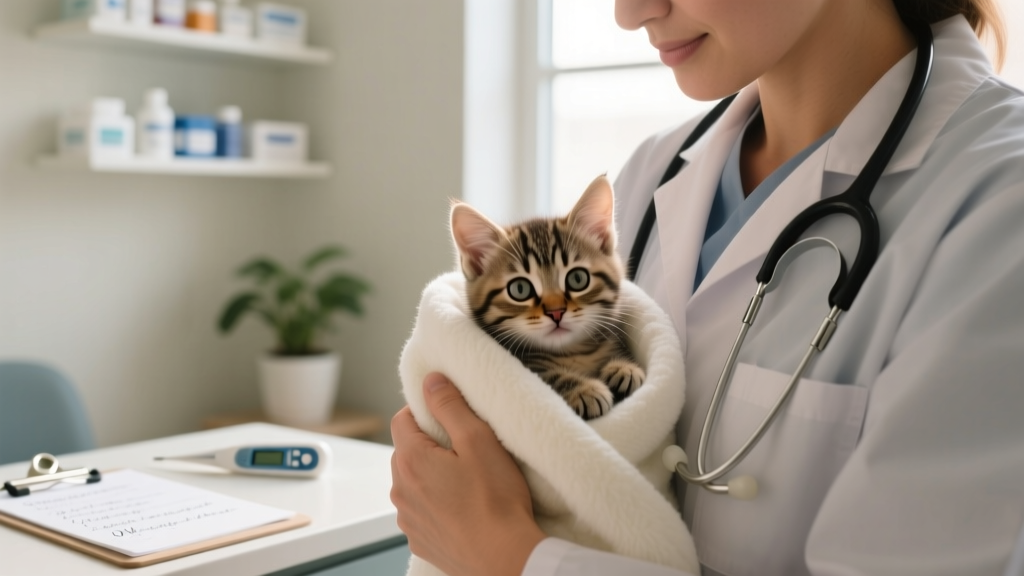
Before applying any home care, pause and evaluate. Kittens dehydrate in hours—not days—and their tiny bodies can crash within 12–24 hours of refusing food or water. According to the American Association of Feline Practitioners (AAFP), kittens under 4 weeks old lack thermoregulation and immune maturity; a rectal temperature below 99°F or above 103.5°F, labored breathing, blue gums, seizures, or inability to stand are life-threatening emergencies requiring immediate veterinary attention—no exceptions.
For less acute cases—like mild nasal discharge, occasional sneezing, or soft stool—your first action isn’t treatment, it’s triage. Use this quick mental checklist:
- Eyes: Are they crusted shut? Is there yellow-green discharge (suggesting secondary bacterial infection)?
- Mouth: Is the gum color pink and moist—or pale, sticky, or bluish?
- Hydration: Gently pinch the skin at the scruff—if it stays tented >2 seconds, dehydration is moderate-to-severe.
- Appetite: Has intake dropped >50% for >12 hours? Or has nursing completely stopped?
- Energy: Is the kitten weak, unresponsive, or crying constantly?
If two or more of these are present, contact your vet—even if antibiotics aren’t prescribed, subcutaneous fluids, antivirals (e.g., famciclovir), or nutritional support may be critical.
Step 2: Master the 3 Pillars of Non-Antibiotic Kitten Recovery
Veterinary internist Dr. Jennifer Coates emphasizes that 90% of successful non-antibiotic kitten recoveries hinge on three interdependent pillars: thermal regulation, nutritional continuity, and environmental hygiene. Let’s break each down with actionable protocols.
Thermal Regulation: Warmth Is Immunity Support
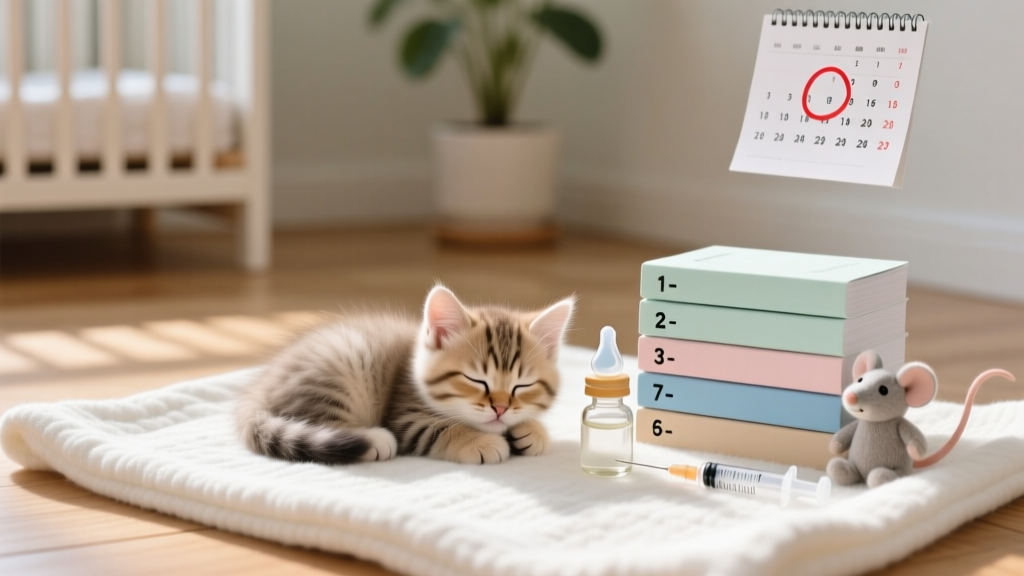
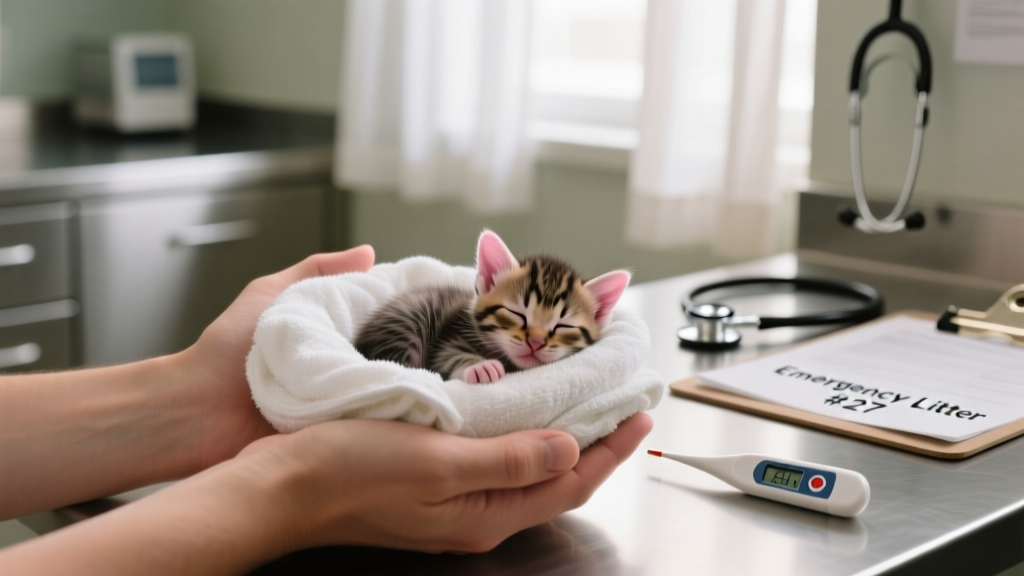
Kittens under 6 weeks cannot shiver effectively and lose heat 3x faster than adults. A drop of just 2°F lowers immune cell mobility by 40%, per a 2022 study in Journal of Feline Medicine and Surgery. Maintain an ambient temperature of 85–90°F for neonates (0–2 weeks), 80–85°F for 3–4 week-olds, and 75–80°F for 5–8 week-olds. Use a heating pad set to LOW *under half* the bedding (so the kitten can move away), or a microwavable rice sock wrapped in fleece. Never use hot water bottles—they cool too fast and risk burns. Monitor rectal temp every 2–4 hours initially: ideal range is 99.5–102.5°F.
Nutritional Continuity: Calories = Immune Fuel
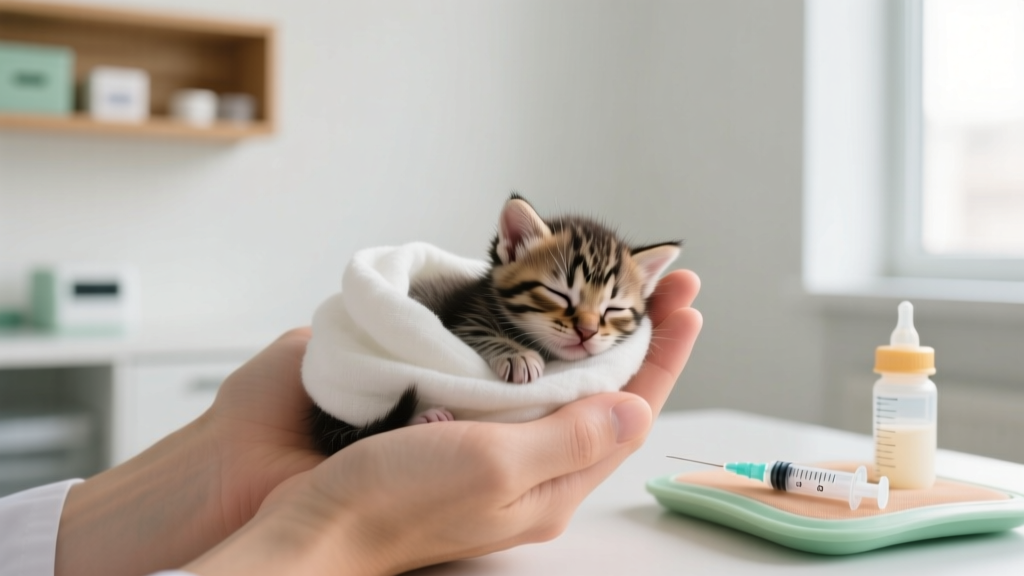
A sick kitten burns energy just breathing. If nursing is compromised, switch immediately to a high-calorie, easily digestible formula like KMR® or Breeder’s Edge® Foster Care. Warm formula to 100°F (test on inner wrist) and feed via syringe or bottle—never force-feed; tilt head slightly downward to prevent aspiration. Feed 2–3 mL per ounce of body weight every 2–3 hours around the clock—including overnight—for kittens under 4 weeks. Add 1/8 tsp of pure, unsweetened canned pumpkin (not pie filling) per 10 mL formula to soothe mild GI upset. Probiotic supplementation matters too: Bifidobacterium animalis strain AHC7 (found in FortiFlora®) has shown in clinical trials to shorten diarrhea duration by 32% in kittens with viral enteritis—no antibiotics needed.
Environmental Hygiene: Reduce Pathogen Load, Not Just Symptoms
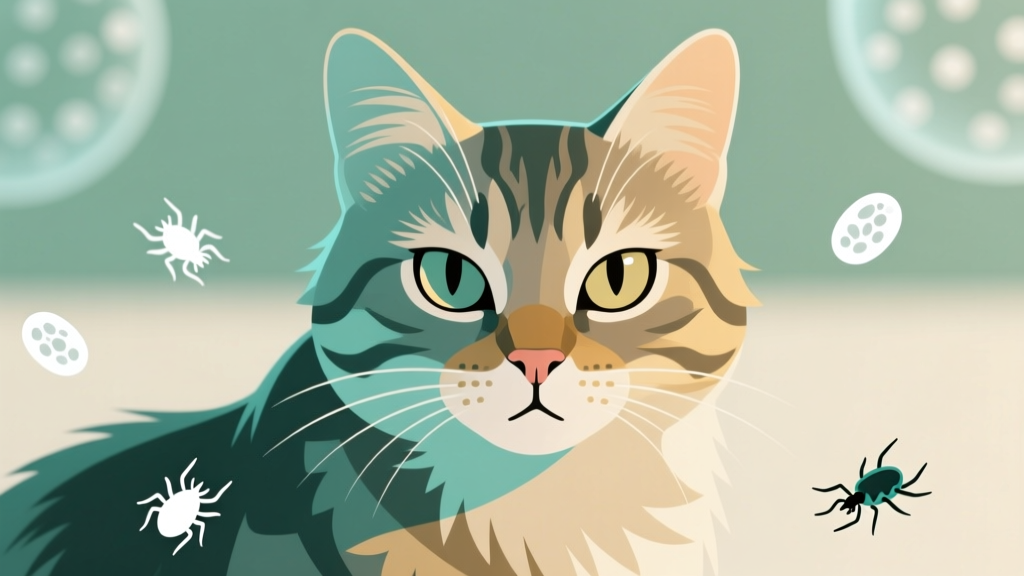
Cleanliness isn’t optional—it’s therapeutic. Viruses like feline herpesvirus survive on surfaces for up to 18 hours; calicivirus lasts 10+ days. Wipe eyes and nose gently 3–4x daily with sterile saline-soaked gauze (discard after each use). Disinfect bedding, bowls, and litter boxes daily with diluted bleach (1:32 ratio) or accelerated hydrogen peroxide (e.g., Rescue®). Keep the sick kitten isolated from other cats—but ensure visual and auditory contact to reduce stress (loneliness suppresses IgA antibodies). Use a humidifier (cool-mist only) in the room to loosen nasal congestion—studies show 40–50% humidity reduces sneezing frequency by 60% in URI-affected kittens.
Step 3: Evidence-Based Symptom-Specific Support
Not all symptoms respond to the same care. Below is a vet-vetted, condition-specific protocol table—based on consensus guidelines from the AAFP and ISCAID (International Society for Companion Animal Infectious Diseases)—for common non-critical presentations.
| Symptom | Non-Antibiotic Intervention | Frequency & Duration | When to Stop & Call Vet |
|---|---|---|---|
| Mild nasal discharge / sneezing | Saline nasal drops (1–2 drops per nostril) + steam therapy (hold kitten 2 ft from warm (not hot) shower steam for 5 min) | Every 4–6 hrs for max 3 days | Discharge turns thick/yellow-green; kitten stops eating for >12 hrs |
| Conjunctivitis (red, watery eyes) | Sterile saline flush + topical ophthalmic lubricant (e.g., GenTeal®) + L-lysine (250 mg/day, only if herpes-confirmed) | Flush 3x/day; lubricant 2x/day; lysine once daily | Corneal ulceration (cloudiness, squinting); eye bulging or swelling |
| Soft stool / mild diarrhea | Probiotic paste (FortiFlora®), fasting 2 hrs, then reintroduce formula at 75% volume, add 1/8 tsp pumpkin per 10 mL | Start at first loose stool; continue until 24 hrs after last abnormal stool | Blood or mucus in stool; >3 watery stools in 12 hrs; lethargy worsens |
| Mild lethargy / decreased play | Extra warmth, quiet environment, gentle massage (abdomen & limbs), hand-feeding small frequent meals | Ongoing while symptoms persist | Lethargy progresses to inability to lift head or right self; no response to stimulation |
Step 4: When ‘No Antibiotics’ Means ‘No Delay’—Knowing the Line
Choosing supportive care isn’t about avoiding vets—it’s about choosing the *right* tool for the job. Antibiotics have zero effect on viruses, parasites like coccidia (which requires sulfadimethoxine), or protozoa like Tritrichomonas (treated with ronidazole). But they *are* essential for confirmed bacterial pneumonia, septicemia, or pyometra. Here’s how top-tier feline specialists draw the line:
- Positive signal for antibiotics: Fever >104°F lasting >24 hrs + elevated white blood cell count + radiographic lung infiltrates.
- Negative signal (supportive care only): PCR-confirmed feline herpesvirus + normal temp + mild ocular discharge + appetite intact.
- Gray zone requiring diagnostics: Chronic diarrhea (>7 days) — needs fecal PCR, Giardia ELISA, and culture before prescribing.
Dr. Tony Buffington, Professor Emeritus at Ohio State’s College of Veterinary Medicine, stresses: “The most dangerous assumption is that ‘natural’ equals ‘safe.’ Unproven herbal remedies (e.g., colloidal silver, oregano oil) can cause liver toxicity or hemolytic anemia in kittens. Stick to interventions validated in peer-reviewed feline studies.”
Frequently Asked Questions
Can I give my sick kitten honey or garlic for immunity?
No—absolutely not. Honey poses botulism risk in kittens under 12 weeks due to immature gut flora and can cause fatal infant botulism. Garlic and onions contain thiosulfates that destroy red blood cells, leading to life-threatening anemia—even tiny amounts. These are toxic, not therapeutic.
Is coconut oil safe for kittens with diarrhea?
Not recommended. While coconut oil has antimicrobial lauric acid, kittens lack sufficient pancreatic lipase to digest medium-chain triglycerides. It often worsens diarrhea and causes steatorrhea (fatty stools). Stick to proven probiotics and pumpkin instead.
How long should I wait before taking my kitten to the vet if symptoms don’t improve?
For kittens under 4 weeks: call within 12 hours if symptoms persist or worsen. For 4–8 week-olds: seek care within 24 hours if no improvement—or sooner if fever, dehydration, or appetite loss occurs. Remember: kittens decline exponentially faster than adult cats.
Can stress make my kitten sicker—even if it’s ‘just a cold’?
Yes—profoundly. Stress elevates cortisol, which directly suppresses T-lymphocyte function and mucosal IgA production. A 2021 study in Veterinary Record found stressed shelter kittens with URIs were 3.2x more likely to develop pneumonia than low-stress counterparts. Minimize handling, maintain routine, and use Feliway® Classic diffusers (clinically shown to reduce stress markers by 45%).
Are over-the-counter ‘kitten cold remedies’ safe?
No OTC human cold meds (decongestants, antihistamines, NSAIDs) are safe for kittens. Pseudoephedrine causes fatal tachycardia; diphenhydramine dosing is extremely narrow and risky. Even pediatric formulations contain xylitol or acetaminophen analogs—both lethal to cats. Only use vet-prescribed therapeutics.
Common Myths About Caring for Sick Kittens Without Antibiotics
Myth #1: “If it’s just a virus, I can ignore it—it’ll go away on its own.”
Reality: Untreated feline herpesvirus can cause permanent corneal scarring (eosinophilic keratitis) or chronic rhinitis. Early supportive care reduces viral shedding and prevents secondary complications.
Myth #2: “Boosting immunity with vitamins will cure the illness faster.”
Reality: Excess vitamin A or D causes toxicity; high-dose vitamin C offers no proven benefit in kittens and may acidify urine, increasing struvite risk. Balanced nutrition—not megadoses—is the foundation of immune resilience.
Related Topics (Internal Link Suggestions)
- Kitten hydration techniques — suggested anchor text: "how to hydrate a dehydrated kitten at home"
- Feline upper respiratory infection stages — suggested anchor text: "kitten URI progression timeline"
- Safe kitten probiotics and dosing — suggested anchor text: "best probiotics for kittens with diarrhea"
- When to wean a sick kitten — suggested anchor text: "weaning a recovering kitten early"
- Signs of kitten pain and distress — suggested anchor text: "how to tell if a kitten is in pain"
Your Next Step: Act With Confidence, Not Panic
You now hold a clinically grounded, compassionate roadmap for supporting your sick kitten’s natural healing—without rushing to antibiotics that won’t help and could harm. But knowledge becomes power only when applied. So tonight, do this: check your kitten’s temperature, weigh them on a kitchen scale (note baseline), and prepare a warm, quiet recovery space with saline, formula, and a thermometer. Then, call your veterinarian—not to demand antibiotics, but to ask: “Based on these symptoms and vitals, does this fit a supportive-care-only plan—or does my kitten need diagnostics today?” That question alone bridges the gap between loving caregiver and empowered advocate. Because the best care isn’t always the strongest drug—it’s the smartest, safest, most attentive response your kitten deserves.