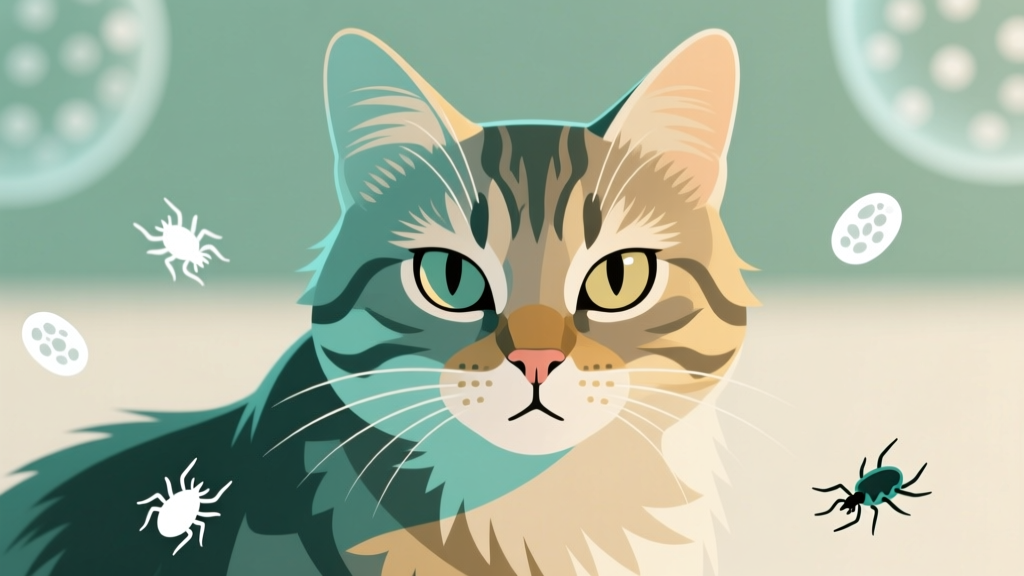
Cat Ehrlichia: Tick-Borne White Blood Cell Infection
1. Introduction: Why Ehrlichia Matters for Cat Owners
Most cat owners know ticks can cause irritation and transmit diseases, but fewer realize that some tick-borne infections can affect a cat’s immune system and blood cells. Ehrlichiosis (infection with bacteria in the Ehrlichia family) is one of those conditions. It’s more commonly diagnosed in dogs, but cats can be exposed too—especially in tick-heavy regions or households with pets that go outdoors.
Understanding Ehrlichia helps you protect your cat in practical ways: using effective tick prevention, checking for ticks after outdoor time, and recognizing symptoms early enough to get veterinary care before complications develop. The reassuring news is that many tick-borne illnesses respond well to timely treatment.
2. Overview: What Is Cat Ehrlichia (Ehrlichiosis)?
Ehrlichiosis is a disease caused by tick-borne bacteria that invade certain white blood cells. White blood cells are part of the immune system, and when they’re infected, the body can develop widespread inflammation and changes in blood counts.
In simple terms: a tick bite can transmit microscopic bacteria into your cat’s bloodstream. Those bacteria can then “hide” inside white blood cells and spread through the body, sometimes affecting the blood, bone marrow, lymph nodes, liver, spleen, and other organs.
In cats, Ehrlichia infection is less well understood than in dogs. Some cats may carry the organism with mild or vague signs, while others can develop more noticeable illness. Your veterinarian may also consider related tick-borne infections (and co-infections) because ticks can transmit more than one organism at the same time.
How cats may be exposed
- Outdoor access in wooded, brushy, or tall grass areas
- Hiking/camping with owners, farm environments, or rural settings
- Contact with other pets that bring ticks into the home
- Stray/feral cat exposure and then adoption into a household
3. Symptoms and Warning Signs to Watch For
Ehrlichiosis can be tricky because signs may be nonspecific—similar to many other illnesses. Some cats show mild symptoms at first that come and go, which can delay diagnosis. If your cat has potential tick exposure and seems “off,” it’s worth calling your veterinarian.
Common symptoms reported with tick-borne illness/Ehrlichia-type infections
- Lethargy or decreased activity
- Reduced appetite or not finishing meals
- Fever (may show as warm ears, seeking cool surfaces, hiding)
- Weight loss over days to weeks
- Swollen lymph nodes (may feel like small lumps under the jaw, in front of shoulders, behind knees)
- Joint or muscle soreness, stiffness, reluctance to jump
- Vomiting or diarrhea (not always present)
Signs that may suggest blood cell involvement
- Pale gums (possible anemia)
- Bruising on the skin, or tiny red/purple dots (petechiae)
- Nosebleeds or bleeding from gums (less common, but concerning)
- Prolonged bleeding after nail trims
Practical at-home checks you can do today
- Look at your cat’s gum color once daily if they seem ill (healthy gums are usually pink and moist).
- Track appetite and water intake for 24–48 hours if you’re worried.
- Do a gentle tick check: around the head/ears, under the collar, armpits, groin, between toes, and under the tail.
4. Causes and Risk Factors
The main cause is exposure to a tick carrying an Ehrlichia organism. The tick must attach and feed long enough to transmit infection (timing varies by organism and tick species). Not every tick carries disease, but it only takes one bite to pose a risk.
Risk factors
- Outdoor lifestyle (even “backyard only” cats)
- Living in or traveling to tick-endemic regions
- Multi-pet households where dogs go outdoors and may bring ticks inside
- Limited use of tick prevention or inconsistent dosing
- Young, senior, or immunocompromised cats (may have a harder time handling infection)
Can indoor cats get Ehrlichia?
Yes, it’s possible. Ticks can hitchhike indoors on dogs, people (clothing/shoes), or even on items brought in from outside. Indoor cats are at lower risk, but not risk-free—especially in homes with dogs.
5. Diagnosis: Methods and What to Expect at the Vet
If your veterinarian suspects Ehrlichia or another tick-borne illness, they’ll start with a detailed history and physical exam. Be ready to share:
- Outdoor exposure or recent travel
- Known tick bites or tick sightings
- Changes in appetite, energy, weight, litter box habits
- Current parasite prevention products (name and last dose date)
Common diagnostic tests
- Complete blood count (CBC): Looks for anemia, low platelets (thrombocytopenia), or abnormal white blood cells.
- Blood chemistry panel: Checks organ function (liver, kidneys), protein levels, and inflammation clues.
- Urinalysis: Helps assess hydration, kidney involvement, and overall health.
- Tick-borne disease testing:
- PCR testing (detects organism DNA): Can be very useful, especially early in disease or for confirming active infection.
- Antibody testing (shows exposure): Antibodies may take time to develop and can persist after exposure, so results must be interpreted with symptoms and other tests.
- Blood smear review: Occasionally, infected cells can be seen under a microscope, but a normal smear does not rule disease out.
Your vet may also test for other conditions that can look similar (such as other tick-borne infections, viral diseases, or inflammatory disorders). Co-infections can complicate symptoms and treatment choices, so a broad and thoughtful workup is common.
6. Treatment Options (Medical, Surgical, Home Care)
Treatment depends on how sick your cat is, what the tests show, and whether your veterinarian suspects co-infections. Most cases are managed medically, with supportive care as needed.
Medical treatment
- Antibiotics: A tetracycline-class antibiotic (often doxycycline) is commonly used for tick-borne bacterial infections. Your veterinarian will choose the medication and dose appropriate for your cat.
- Pain relief/anti-inflammatory support: If your cat has fever or body/joint soreness, your vet may prescribe cat-safe medications. Never give human pain relievers.
- Treatment of complications: If blood counts are significantly affected, additional therapies may be required.
Supportive care (may be outpatient or inpatient)
- Fluids (subcutaneous or IV) to support hydration and circulation
- Appetite support (anti-nausea medication, appetite stimulants, diet adjustments)
- Hospitalization if your cat is weak, dehydrated, severely anemic, or has bleeding tendencies
- Blood transfusion in rare, severe anemia cases (based on your vet’s assessment)
Surgical treatment
Surgery is not a standard treatment for Ehrlichia infection itself. Procedures may be needed only in unusual situations (for example, addressing a separate problem discovered during evaluation).
Home care tips you can act on immediately (while following your vet’s plan)
- Give medications exactly as prescribed and do not stop early because your cat “seems better.”
- Ask about safe dosing techniques. Some antibiotics can irritate the esophagus if given without water/food—follow your veterinarian’s instructions closely.
- Keep activity calm while your cat is recovering, especially if platelet counts are low or bruising is present.
- Monitor daily:
- Appetite and energy
- Vomiting/diarrhea
- Gum color
- Any bruising or bleeding
If your cat is hard to medicate, tell your veterinary team. Many clinics can provide techniques, flavoring options, or alternate formulations.
7. Prevention Strategies and Early Detection Tips
The best way to protect your cat is to prevent ticks from biting in the first place and to catch tick exposure early.
Tick prevention (most effective step)
- Use veterinarian-recommended tick prevention made specifically for cats.
- Avoid dog-only products on cats. Some dog tick medications are toxic to cats.
- Give doses on schedule. Set a monthly reminder so you don’t miss coverage.
Reduce tick habitat around your home
- Keep grass mowed and remove leaf litter
- Limit access to dense brush/wood piles
- Consider creating a gravel or mulch barrier between wooded areas and lawns
Daily/weekly early detection habits
- Tick checks after outdoor time (or weekly if your cat is indoors but dogs go outside)
- Grooming with a comb, paying attention to ears, chin, and neck
- Watch for subtle changes: hiding, decreased grooming, eating slower, sleeping more
If you find a tick and are unsure how to remove it safely, contact your veterinarian. Improper removal can leave mouthparts behind or increase irritation. If you remove a tick at home, use fine-tipped tweezers, grasp close to the skin, pull steadily, and keep the tick in a sealed container in case your vet wants to identify it.
8. Prognosis and Quality of Life Considerations
With timely diagnosis and appropriate antibiotics, many cats do well and return to their normal routines. Prognosis depends on:
- How early treatment begins
- Severity of blood count changes (anemia/low platelets)
- Presence of other illnesses (kidney disease, immune suppression)
- Whether co-infections are present
What recovery often looks like
- Energy and appetite may improve within days of starting effective therapy.
- Full recovery of blood counts may take longer, so recheck appointments are important.
- Your veterinarian may recommend follow-up bloodwork to confirm improvement and guide next steps.
Quality of life is usually very good once the infection is controlled. Cats that had significant anemia or bleeding tendencies may need a more cautious recovery period with activity restriction and close monitoring.
9. When to Seek Emergency Veterinary Care
Contact an emergency vet right away if you notice any of the following:
- Difficulty breathing or open-mouth breathing
- Collapse, extreme weakness, or inability to stand
- White or very pale gums
- Uncontrolled bleeding, nosebleeds that don’t stop, or blood in vomit/stool/urine
- Sudden widespread bruising or many pinpoint red/purple spots
- Persistent vomiting or inability to keep water down
- High fever signs plus severe lethargy or dehydration
If your cat recently had a tick bite and becomes acutely ill, it’s safer to be evaluated promptly. Early treatment helps prevent complications.
10. FAQ: Common Questions About Ehrlichia in Cats
Can cats get ehrlichiosis from dogs?
Cats don’t usually catch Ehrlichia directly from dogs the way they might catch a respiratory virus. The shared risk is ticks. Dogs can bring ticks into the home or yard environment, increasing exposure for cats.
Is Ehrlichia contagious to humans from cats?
Ehrlichia infections are typically spread by tick bites, not casual contact with pets. Your cat is not likely to directly infect you. However, if ticks are present in your environment, people and pets can both be bitten. Use tick prevention for pets and tick precautions for your household.
What if my cat has symptoms but I never saw a tick?
That’s common. Ticks can be tiny, fall off after feeding, or hide in hard-to-see areas. If your cat has compatible symptoms and risk factors, your veterinarian may still recommend testing and treatment.
How long does treatment take?
The course length depends on your cat’s condition and your veterinarian’s protocol. Some cats improve quickly, but it’s normal for your vet to prescribe antibiotics for several weeks and recommend recheck bloodwork to ensure the infection is controlled.
Can ehrlichiosis come back?
Relapse can happen if the infection isn’t fully cleared or if a cat is re-exposed to infected ticks. Consistent tick prevention and completing all prescribed medications are the best ways to reduce risk.
What tick prevention is safest for my cat?
The safest option is the one your veterinarian recommends for your cat’s age, weight, health status, and lifestyle. Never use a product labeled only for dogs on cats, and don’t combine products unless your vet approves.
If you suspect tick exposure or notice changes in your cat’s appetite, energy, or gum color, schedule a veterinary visit. A simple exam and basic bloodwork can provide clarity and peace of mind.
For more practical cat health guides, parasite prevention tips, and wellness resources, visit catloversbase.com.