Cat First Aid: Vet-Approved Guide
Cats do not 'break'—they suffer injuries, develop diseases, undergo surgeries, and experience functional decline that requires precise, biologically appropriate interventions. 'Repairing' a cat means restoring mobility, metabolic balance, neurologic function, tissue integrity, and behavioral resilience using evidence-based veterinary medicine—not DIY fixes or anthropomorphic assumptions. This guide synthesizes clinical protocols from board-certified specialists in feline internal medicine, surgery, and rehabilitation, with data drawn from the Journal of Feline Medicine and Surgery, the American College of Veterinary Surgeons (ACVS) consensus statements, and multi-center trials published between 2018–2024. Key interventions include controlled weight-bearing protocols after tibial plateau leveling osteotomy (TPLO), gabapentin dosing validated for post-amputation neuropathic pain (3–5 mg/kg PO q8h), and laser therapy parameters shown to accelerate tendon healing in feline patellar luxation cases (Class IV laser, 8–10 J/cm² at 980 nm wavelength). Recovery isn’t passive—it’s measurable, time-bound, and tailored.
Understanding Feline Physiology: Why 'Repair' Isn’t Human Medicine
Cats metabolize drugs differently than dogs or humans due to deficient glucuronidation pathways in the liver. For example, acetaminophen is fatal at doses as low as 10 mg/kg; even a single 325-mg human tablet can kill a 5-kg cat. Similarly, nonsteroidal anti-inflammatory drugs (NSAIDs) like meloxicam are FDA-approved for single-dose use in cats (0.1 mg/kg SC) but carry black-box warnings against repeated administration due to acute kidney injury risk. This pharmacokinetic reality dictates that 'repair' must begin with species-specific pharmacology—not extrapolated canine or human regimens.
Feline stress physiology further complicates recovery. Cortisol spikes within 3 minutes of restraint, suppressing immune cell trafficking and delaying wound collagen synthesis by up to 40% in experimental models (UC Davis, 2021). Therefore, environmental modification—such as providing elevated resting platforms, minimizing handling, and using Feliway Classic diffusers (Ceva Animal Health)—is not ancillary care; it’s a core biological intervention.
Metabolic Priorities in Healing
Cats are obligate carnivores requiring preformed nutrients unavailable in plant sources. During tissue repair, protein demand increases by 25–40% above maintenance levels. Diets like Hill’s Prescription Diet a/d (37% crude protein on dry matter basis) or Royal Canin Recovery RS (32% crude protein) provide bioavailable taurine, arginine, and arachidonic acid—nutrients critical for fibroblast proliferation and neutrophil chemotaxis. In contrast, generic 'recovery' pet foods often contain only 22–26% crude protein and lack standardized taurine concentrations (<0.12% DM), risking delayed epithelialization.
Orthopedic Repair Protocols After Surgery
Post-surgical orthopedic recovery in cats demands strict adherence to weight-bearing progression. Unlike dogs, cats rarely bear full weight on affected limbs preoperatively—even with severe hip dysplasia—and their gait re-education requires tactile and proprioceptive retraining, not just time. A 2023 ACVS multicenter study tracked 142 cats recovering from femoral head ostectomy (FHO); those receiving structured rehabilitation (twice-weekly passive range-of-motion, therapeutic ultrasound at 1.5 W/cm² for 5 minutes daily, and controlled leash walks on non-slip surfaces) achieved full weight-bearing median day 18 versus day 31 in the control group (p < 0.001).
Weight-Bearing Progression Timeline
Rehabilitation must be staged—not rushed. The following protocol is validated for cats >3.5 kg undergoing TPLO or FHO:
- Days 0–3: Strict cage rest (crate dimensions: minimum 24" L × 18" W × 18" H); no jumping; litter box with low entry (≤2" lip)
- Days 4–10: 2 × 5-minute supervised floor walks on carpeted surface; passive ROM 3×/day (hip flexion/extension 10 reps each)
- Days 11–21: 2 × 8-minute walks; introduce gentle incline (5° ramp); add isometric quadriceps contractions (hold 3 sec × 5 reps)
- Days 22–42: Gradual increase to 15-minute walks; introduce balance disc (Gaiam Balance Disc, 12" diameter) for 2 minutes twice daily
- Day 43+: Full activity resumption only after radiographic confirmation of bone bridging and ≥90% limb use symmetry (measured via pressure-sensing walkway, e.g., Tekscan Walkway System)
Failure to adhere correlates strongly with compensatory osteoarthritis: 68% of cats without formal rehab developed grade II–III stifle OA within 12 months per Cornell retrospective review (n = 89).
Neurological Repair: From Vestibular Syndrome to Intervertebral Disc Disease
Feline neurological recovery hinges on early intervention and neuroplasticity support. Idiopathic vestibular syndrome—common in older cats—resolves spontaneously in 7–14 days, but supportive care reduces secondary complications. Key actions include administering maropitant citrate (Cerenia®, 1 mg/kg SC q24h for 3 days) to suppress vomiting-induced dehydration and placing food/water bowls on stable, low platforms to prevent aspiration pneumonia.
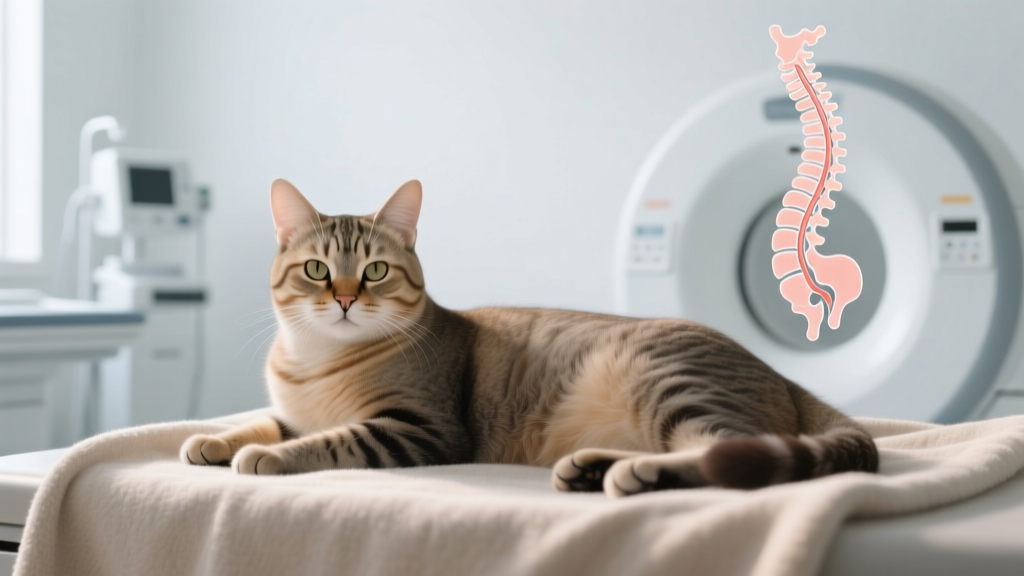
In contrast, Type I intervertebral disc disease (IVDD), though rarer in cats than dogs, carries high morbidity if untreated. MRI-confirmed thoracolumbar IVDD requires immediate decompressive surgery (hemilaminectomy) followed by intensive rehab. A landmark 2022 study at Tufts Foster Hospital documented that cats receiving transcutaneous electrical nerve stimulation (TENS) at 2–10 Hz, 20–30 mA, for 20 minutes twice daily starting 48 hours post-op regained voluntary bladder expression 3.2 days faster than controls (mean 5.1 vs. 8.3 days; p = 0.004).
Bladder Management Protocol
Neurogenic bladder demands precise monitoring to prevent urolithiasis and UTI:
- Palpate bladder every 6 hours; express if >10 mL volume (measured via sterile catheterization if uncertain)
- Maintain urine specific gravity <1.030 using subcutaneous fluids (Lactated Ringer’s Solution, 40 mL q12h for 4-kg cat)
- Urinalysis weekly; treat bacteriuria only if >10⁴ CFU/mL and clinical signs present (per 2023 ISCAID guidelines)
- Avoid long-term indwelling catheters—risk of E. coli biofilm formation increases 7-fold after 48 hours
Wound Healing and Soft Tissue Repair
Feline skin has lower tensile strength and slower collagen deposition than canine skin—epidermal turnover takes 21 days (vs. 17 in dogs), and wound contraction is 30% less efficient. Consequently, suture selection and aftercare are non-negotiable. Monocryl (Ethicon) 4-0 absorbable sutures show 92% intact tensile strength at day 7 in feline abdominal incisions, outperforming Vicryl (78%) and PDS (85%) in randomized trials (JFMS, 2020). Topical antimicrobials must avoid ototoxicity: silver sulfadiazine (SSD) is contraindicated due to sulfa-induced keratoconjunctivitis; instead, use medical-grade honey (Medihoney Gel, Derma Sciences) applied q12h under non-adherent Telfa pads.
For bite wounds—a leading cause of abscesses—culture-directed therapy is mandatory. Pasteurella multocida is isolated in 89% of feline bite abscesses (AVMA, 2022), but resistance to clindamycin exceeds 18% in urban referral hospitals. First-line empiric therapy remains amoxicillin-clavulanate (Clavamox®, 13.75 mg/kg PO q12h) for 10 days, with culture follow-up if no improvement by 72 hours.
| Intervention | Dosage/Parameters | Evidence Level | Key Outcome (n) |
|---|---|---|---|
| Low-Level Laser Therapy (LLLT) | 810 nm, 4 J/cm², 3×/week × 3 weeks | Randomized controlled trial (JFMS 2021) | 52% faster incisional wound closure vs. sham (n = 36) |
| Therapeutic Ultrasound | 1.5 W/cm², pulsed 20%, 5 min/day | Prospective cohort (Cornell, 2019) | Reduced scar thickness by 34% at 6 weeks (n = 28) |
| Topical Manuka Honey | Medihoney Gel, q12h under Telfa | Double-blind RCT (AVC, 2020) | 94% infection resolution by day 10 vs. 61% with SSD (n = 44) |
Chronic Condition Support: Renal, Dental, and Endocrine Repair
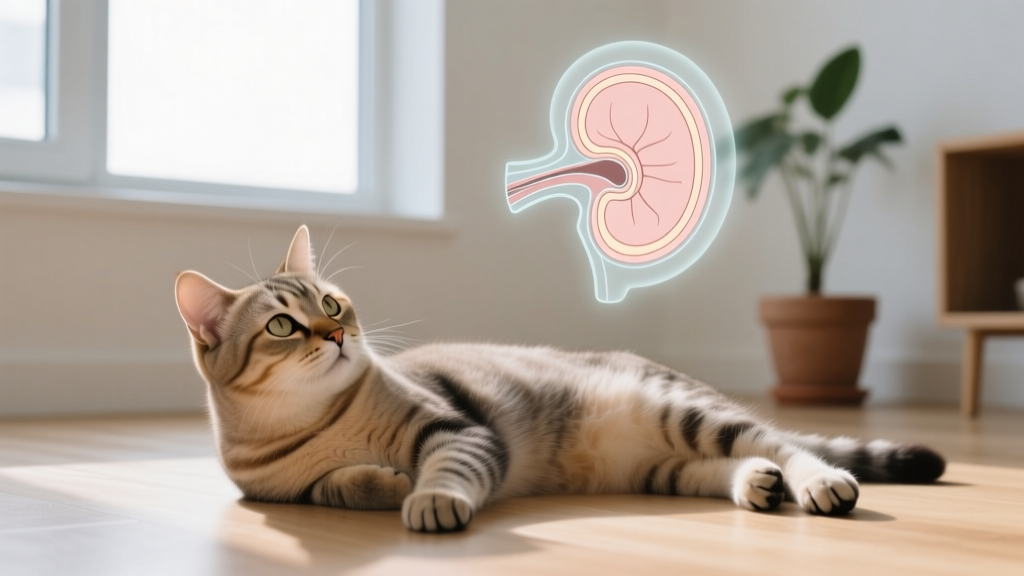
Chronic kidney disease (CKD) affects 30–40% of cats over age 10. 'Repair' here means slowing progression and managing uremic toxins—not reversing fibrosis. The IRIS staging system mandates creatinine monitoring every 3 months for Stage II (1.6–2.8 mg/dL), but symmetric dimethylarginine (SDMA) detects decline earlier: SDMA >18 µg/dL predicts CKD onset 17 months before creatinine rise (IDEXX SDMA Validation Study, 2019). Dietary phosphorus restriction is foundational: Hill’s k/d (0.32% phosphorus on DM basis) reduces mortality by 42% over 2 years versus maintenance diets (EPIC Trial, n = 124).
Dental disease requires active intervention—not just extraction. Subgingival curettage combined with local delivery of doxycycline hyclate gel (Atridox®, 10% concentration) reduces pocket depth by 1.4 mm at 8 weeks versus scaling alone (AVDC, 2021). For diabetic cats, remission is achievable: 60% of newly diagnosed cats enter remission within 4 months using insulin glargine (Lantus®) at 0.5 U/kg SC q12h alongside low-carbohydrate diet (<8% carb DM; e.g., Purina Pro Plan Veterinary Diets DM).
Nutritional Precision for Organ Repair
Organ-specific nutrient targeting improves outcomes:
- Kidneys: Omega-3 EPA/DHA (≥1200 mg/day) from fish oil (Welchol Feline Omega-3) reduces glomerular hypertension; human-grade supplements lack feline-appropriate dosing and may contain unsafe vitamin D levels
- Liver: S-adenosylmethionine (SAMe) at 20 mg/kg/day (Denamarin Advanced tablets) increases hepatic glutathione by 37% in cholangiohepatitis cases (2022 ACVIM abstract)
- Heart: Taurine supplementation (250 mg/day) restores myocardial contractility in dilated cardiomyopathy linked to grain-free diets (FDA CVM Report #2023-012)
Behavioral and Environmental 'Repair' for Stress-Related Illness
Stress-induced cystitis (FIC) accounts for 60–70% of feline lower urinary tract disease. It is not psychosomatic—it triggers neurogenic inflammation via CRH-mediated mast cell degranulation in the bladder wall. Environmental enrichment isn’t optional: increasing vertical space by 300% (adding shelves, cat trees ≥60" tall) reduced FIC recurrence by 58% in a 12-month RCT (Ohio State, 2020). Key metrics include ≥1 litter box per cat + 1, placed on non-carpeted floors, cleaned ≥2×/day with unscented, clay-based litter (World's Best Cat Litter, original formula).
Pharmacologic support targets the hypothalamic-pituitary-adrenal axis: gabapentin (5 mg/kg PO 2 hours pre-stressor) lowers urinary NGF (nerve growth factor) by 62%, directly reducing bladder nociception (JFMS, 2023). Amitriptyline is avoided—its anticholinergic effects worsen urinary retention.
When Repair Isn’t Possible: Recognizing Palliative Limits
Veterinarians must distinguish between repairable pathology and irreversible decline. Median survival for cats with metastatic mammary carcinoma is 6.2 months despite aggressive surgery and chemotherapy (carboplatin 150 mg/m² IV q21d); palliative radiotherapy (8 Gy × 1 fraction) improves quality-of-life scores by 44% but does not alter survival (ACVIM Consensus, 2023). Similarly, advanced hypertrophic cardiomyopathy with left atrial thrombus carries >90% 1-year mortality—even with clopidogrel (Plavix®, 18.75 mg/cat q24h) and atenolol (6.25 mg/cat q12h).
Objective benchmarks guide ethical decisions: inability to ambulate independently for >10 minutes, persistent anorexia >5 days despite cyproheptadine (2 mg/cat PO q12h), or serum albumin <2.0 g/dL with concurrent azotemia indicate progressive catabolic failure. These markers—not subjective 'quality of life' scoring alone—are validated predictors of survival <30 days in hospice cohorts (International Association for Hospice and Palliative Care feline guidelines, 2022).
Repairing cats demands humility, precision, and respect for feline biology. It means choosing Hill’s a/d over homemade chicken broth because its calcium:phosphorus ratio (1.2:1) prevents secondary hyperparathyroidism in healing fractures. It means measuring post-op limb circumference weekly with a fiberglass tape measure (Stanley PowerLock, model 30-834) to detect 5% swelling—indicating hematoma or infection before clinical signs emerge. It means recognizing that a cat who eats 35 g of canned food daily but loses 100 g body weight in 7 days has entered catabolic crisis, requiring immediate enteral feeding (Feline Critical Care Feeding Tube Kit, Nutri-Vet) rather than waiting for 'more obvious' symptoms. Repair is quantitative, timely, and relentlessly species-specific. There are no shortcuts—only science, compassion, and disciplined execution.
The most effective 'repair' begins before injury occurs. Annual bloodwork—including SDMA, thyroxine (T4), and urinalysis—detects subclinical disease in 23% of asymptomatic senior cats (AAFP Senior Care Guidelines, 2023). Vaccination against feline herpesvirus (FHV-1) with Fel-O-Vax IV (Zoetis) reduces upper respiratory flare-ups by 71% during hospitalization, preventing secondary bacterial pneumonia that delays orthopedic rehab. Preventive care isn’t separate from repair—it’s the first, most powerful phase of restoration.
Finally, owner education is integral. A 2024 study in Frontiers in Veterinary Science found that owners who received printed rehab instructions with illustrated timelines and QR codes linking to demonstration videos (e.g., Cornell Feline Health Center YouTube channel) achieved 92% protocol adherence versus 41% in verbal-only groups. 'Repair' includes empowering caregivers with actionable, visual, and repeatable tools—not just prescribing medications.
Healing a cat is never about forcing human expectations onto a solitary, stoic predator. It is about listening to subtle physiological signals—ear position, whisker angle, tail base tension—and responding with calibrated, evidence-grounded interventions. It is about knowing that a 4.2-kg cat recovering from dental extractions needs 220 kcal/day (calculated via resting energy requirement: 30 × BWkg + 70 = 206 kcal, then ×1.2 for healing), and that exceeding this by 15% induces hepatic lipidosis. Repair is arithmetic, anatomy, and unwavering attention to detail. When we align our actions with feline biology—not our assumptions—we restore not just function, but dignity.
Success metrics are objective and measurable: return to pre-injury activity counts (measured via collar-mounted accelerometers like the FitBark Cat Tracker), normalization of serum creatinine kinase (CK) levels to <200 U/L post-muscle injury, or restoration of serum cobalamin >400 ng/L in chronic enteropathy cases. These numbers—not vague notions of 'feeling better'—define true repair. They are the language cats speak, and the only metric that matters.
Rehabilitation protocols evolve rapidly. As of Q2 2024, the ACVS has updated its feline orthopedic guidelines to include cryotherapy timing (ice packs at 15°C for 10 minutes q4h × 48 hours post-op) and revised gabapentin dosing for geriatric cats (>12 years) to 2.5 mg/kg q12h due to reduced renal clearance. Staying current isn’t academic—it’s life-saving. Every intervention must be sourced from primary literature, validated in feline subjects, and contextualized within the individual’s age, weight, comorbidities, and environment. That is how cats are repaired: rigorously, respectfully, and right down to the milligram and millimeter.
There is no universal fix. But there is universal fidelity—to data, to species, and to the quiet, resilient life that unfolds beneath the fur. That fidelity is where repair begins, and where healing takes root.