How to Handle Cat Heatstroke in Summer
Recognizing Early Heatstroke Signs
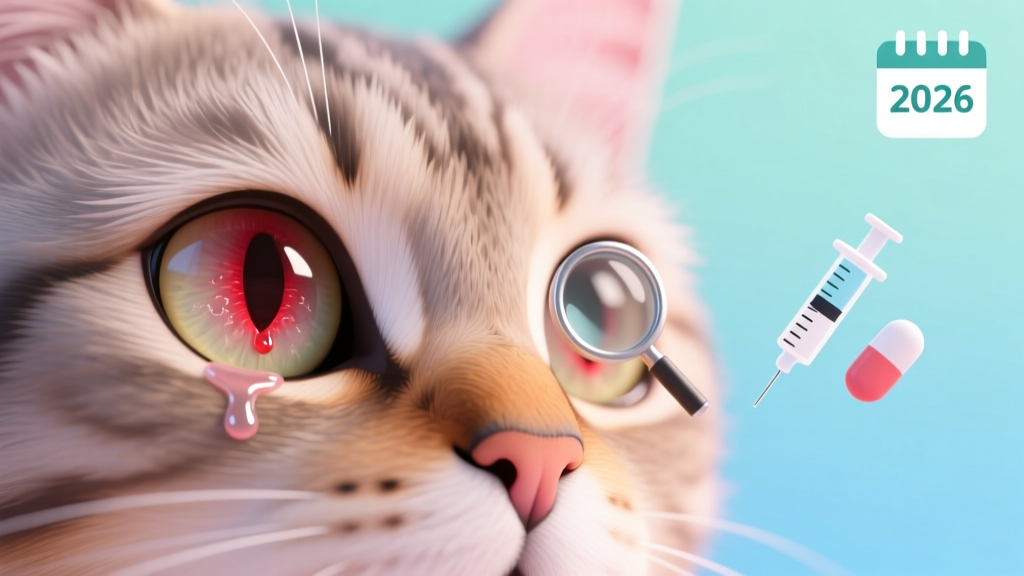
Cats rarely pant, so heavy breathing, drooling, or open-mouthed breathing signals serious distress. Other early signs include restlessness, lethargy, rapid pulse (>180 bpm), and bright pink gums. A rectal temperature above 103°F (39.4°C) warrants immediate action—105°F (40.6°C) indicates life-threatening heatstroke. Senior cats over age 12 are 3.2× more likely to suffer heat-related illness, per a 2022 Cornell Feline Health Center study.
Immediate Cooling Protocol
Move your cat to a cool, shaded, well-ventilated area immediately. Do NOT use ice or cold water immersion—this causes vasoconstriction and worsens organ stress. Instead, apply lukewarm (not cold) wet towels to the paws, ears, and neck. Use a fan on low setting for gentle air circulation. Offer small sips of cool (not icy) water if conscious and willing to drink. Stop cooling once rectal temp reaches 103.5°F to avoid hypothermia.
When to Rush to the Vet
Any cat with a rectal temperature ≥104.5°F (40.3°C), vomiting, seizures, collapse, or disorientation requires emergency veterinary care within 30 minutes. Delay increases mortality risk: a 2023 Journal of Feline Medicine and Surgery report found that cats receiving IV fluids and oxygen support within 20 minutes of symptom onset had a 92% survival rate versus 47% when treatment was delayed beyond 60 minutes.
Veterinary Treatment & Monitoring
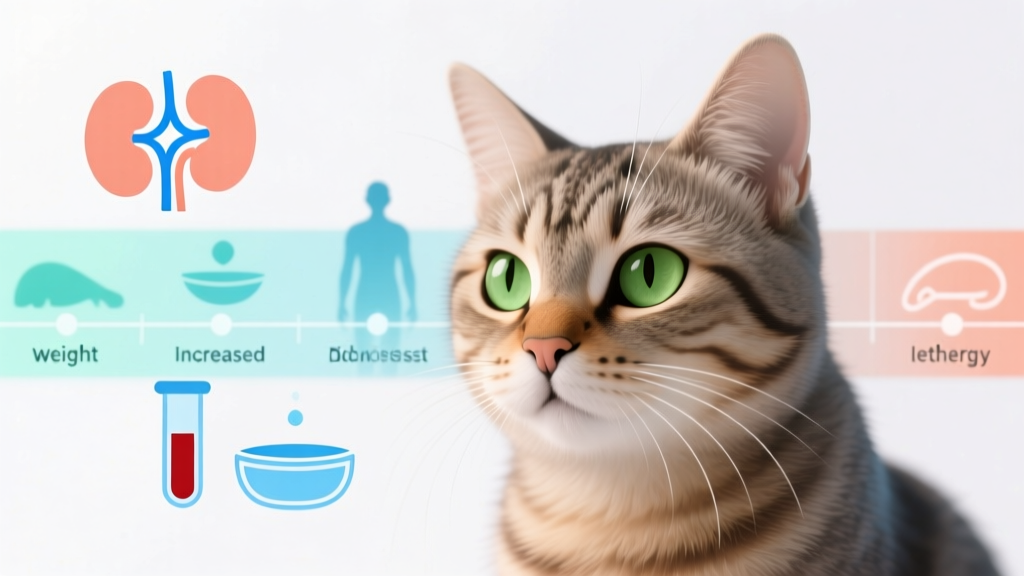
Vets will administer intravenous fluids (e.g., Lactated Ringer’s Solution), oxygen therapy, and monitor for complications like acute kidney injury, disseminated intravascular coagulation (DIC), or cerebral edema. Bloodwork—including BUN, creatinine, ALT, and PT/PTT—is performed on admission and repeated every 4–6 hours. Hospitalization typically lasts 24–72 hours. The ASPCA Animal Poison Control Center logged 1,842 heatstroke-related calls in summer 2023, up 19% from 2022.
Prevention for All Life Stages
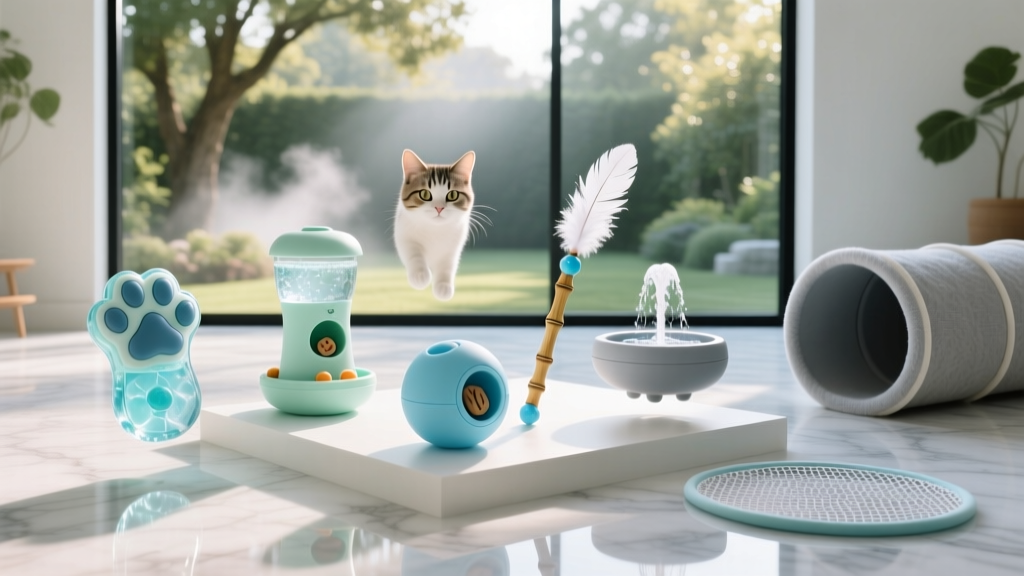
Keep indoor temps below 80°F (26.7°C) using AC or fans; never leave cats in parked cars—even at 70°F outside, interior temps exceed 100°F in under 10 minutes. For seniors, add cooling mats (e.g., PetFusion Orthopedic Cooling Pad, tested to 15°F below ambient temp) and offer frozen tuna water cubes. Ensure fresh water is available in ≥3 locations daily. Avoid midday outdoor access; provide shaded, ventilated catio spaces. A 2021 UC Davis study showed cats with access to shaded outdoor enclosures had 68% fewer heat-related ER visits.
Real-world scenario #1: Luna, a 14-year-old Persian with brachycephalic anatomy, began stumbling and drooling at 3:15 PM during a 92°F day. Her owner cooled her paws and ears, recorded a temp of 104.8°F, and reached VCA West Los Angeles ER by 3:42 PM. She recovered fully after 36 hours of IV fluid therapy.
Real-world scenario #2: Max, a 3-year-old domestic shorthair, was left in a sunlit garage with no airflow. Found unresponsive at 5:00 PM, his temp was 106.2°F. Despite CPR and rapid transport, he developed multi-organ failure and passed within 12 hours—underscoring the critical window for intervention.
| Symptom | Mild Heat Stress | Moderate Heatstroke | Severe Heatstroke |
|---|---|---|---|
| Rectal Temp | 102.5–103.5°F | 103.6–104.9°F | ≥105.0°F |
| Respiratory Rate | 30–40 breaths/min | 50–70 breaths/min | Irregular or gasping |
| Neurologic Signs | Restlessness | Staggering, tremors | Seizures, coma |
| Vet Response Time | Monitor closely | ER visit within 60 min | ER visit within 20 min |
Always keep your veterinarian’s number and nearest 24-hour clinic saved. For senior cats, schedule biannual wellness exams including blood pressure and thyroid screening—hypertension and hyperthyroidism increase heat vulnerability. Prevention remains safer and more effective than crisis response.