Feline Obesity: Health Risks & Prevention Tips
Why Obesity Is a Silent Threat
Over 60% of U.S. cats are overweight or obese (AVMA, 2023). Unlike humans, cats rarely self-regulate intake and often gain weight silently—no obvious panting, limping, or vocal complaints. Excess fat triggers chronic inflammation, straining organs and accelerating aging. A 2022 study in the Journal of Feline Medicine and Surgery linked obesity to a 2.3× higher risk of diabetes mellitus in cats aged 3–10 years.
Top 5 Obesity-Linked Health Risks
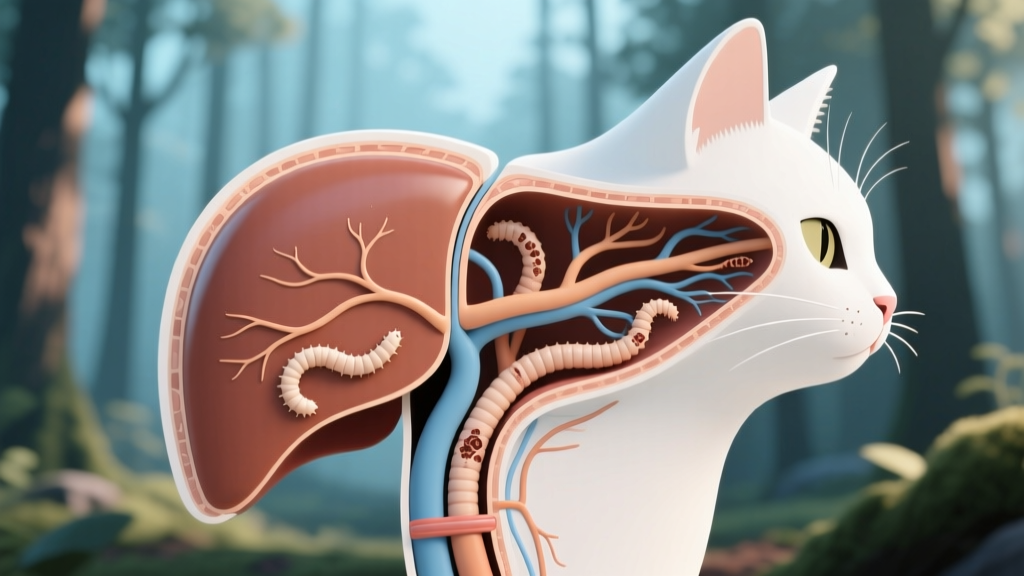
Obesity doesn’t just mean extra pounds—it directly contributes to life-shortening conditions. Key risks include diabetes mellitus (affecting ~1 in 200 cats), osteoarthritis (prevalence rises from 20% in lean cats to 90% in obese seniors), hepatic lipidosis (often fatal if fasting occurs during rapid weight loss), lower urinary tract disease (LUTD), and hypertension. Obese cats also face 3.7× greater anesthetic risk during routine procedures like dental cleanings (ACVIM Consensus Statement, 2021).
Symptoms You Should Never Ignore
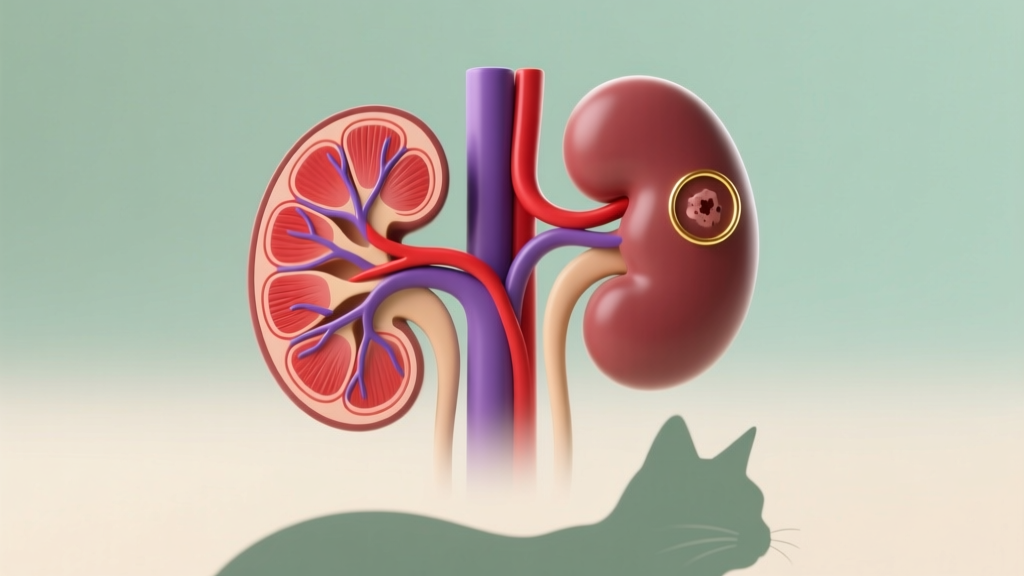
Early signs are subtle: reluctance to jump onto favorite perches, reduced grooming (especially along the back and tail base), labored breathing after mild activity, or increased napping. In senior cats (7+ years), watch for stiffness when rising, litter box avoidance due to discomfort, or unexplained vocalization at night—possible indicators of pain or hypertension. One real-world case involved Luna, a 12-year-old domestic shorthair whose owner mistook her lethargy for 'just aging'—until bloodwork revealed stage 2 kidney disease and systolic BP of 185 mmHg.
Weight Assessment: Know Your Cat’s Score
Use the 9-point Body Condition Score (BCS) system—not weight alone. At ideal BCS (5/9), ribs are easily palpable with minimal fat cover, waist is visible from above, and abdomen tucks upward behind ribs. A BCS of 7/9 means ribs require firm pressure to feel, no waist, and abdominal fat pad present. According to the Cornell Feline Health Center (2024), only 12% of owners accurately assess their cat’s BCS without veterinary guidance.
Action Plan: Safe Weight Loss & Senior Care
Never restrict food abruptly. Work with your vet to design a plan using prescription diets like Hill’s Prescription Diet Metabolic Feline (launched 2019) or Royal Canin Satiety Support (2022 formulation). Target 1–2% body weight loss per week—no more. For a 14-lb cat, that’s just 0.14–0.28 lbs/week. Incorporate daily play (3×10-minute sessions with wand toys) and environmental enrichment like vertical shelves. Another real-world example: Oliver, an 8-year-old neutered male, lost 2.1 lbs over 14 weeks using measured portions of Purina Pro Plan Veterinary Diets OM and twice-daily laser pointer sessions—reversing early-stage insulin resistance.
| Risk Factor | Lean Cat (BCS 4–5) | Obese Cat (BCS 7–9) |
|---|---|---|
| Diabetes Incidence | 0.5% | 12.3% |
| Median Lifespan | 15.2 years | 12.1 years |
| Hepatic Lipidosis Risk | Baseline | 5.8× higher |
Veterinary rechecks every 2–4 weeks are essential during weight loss. Senior cats need annual blood pressure screening, urinalysis, and SDMA testing starting at age 7. If your cat stops eating for >24 hours—or shows vomiting, collapse, or severe lethargy—seek emergency care immediately: these may signal acute hepatic lipidosis or thromboembolism. Preventive care isn’t optional; it’s the most impactful thing you can do for longevity and quality of life.