How to Control Cats Behavior for Sensitive Stomach
Why Your Cat’s ‘Bad Behavior’ Might Be Screaming ‘My Stomach Hurts’
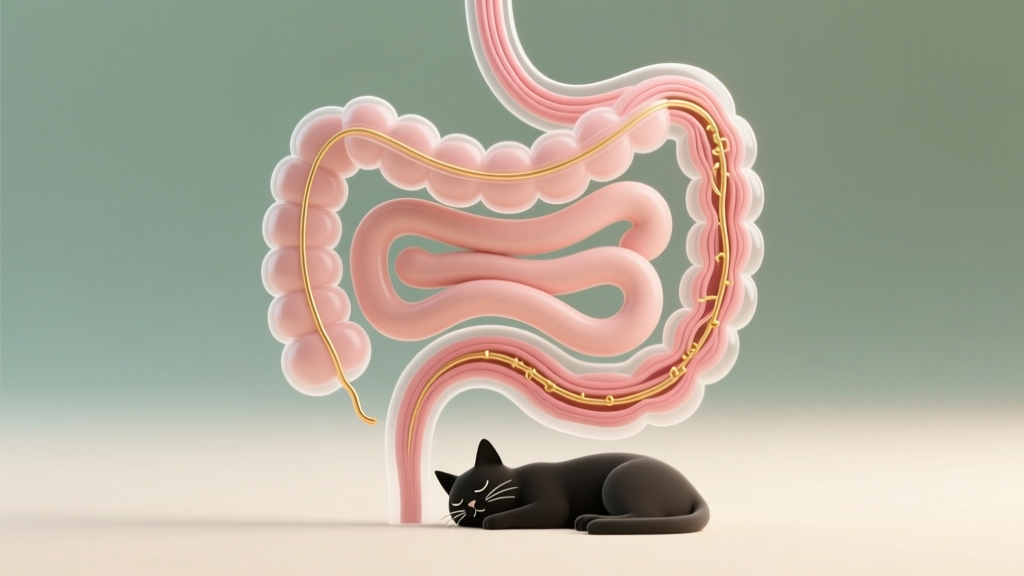
If you’ve ever searched how to control cats behavior for sensitive stomach, you’re likely exhausted—not from disobedience, but from confusion. Your cat isn’t being ‘difficult’ when they bolt from meals, vomit after eating, hide for hours post-feeding, or suddenly avoid the litter box. These aren’t discipline issues; they’re visceral, stress-driven responses to chronic GI discomfort. According to Dr. Sarah Wooten, DVM and certified feline practitioner with over 15 years in integrative small animal medicine, ‘Up to 68% of cats presenting with “behavioral problems” like food refusal or inappropriate elimination have undiagnosed gastrointestinal sensitivities—including IBD, food intolerances, or dysbiosis.’ What looks like willful misbehavior is often your cat’s only way to communicate pain, nausea, or anxiety rooted in digestive distress. And here’s the critical insight: trying to ‘train away’ these behaviors without addressing the gut-brain axis will fail—and may even worsen inflammation.
Step 1: Rule Out Medical Causes Before Assuming It’s ‘Just Behavior’
Before adjusting routines or buying new bowls, consult your veterinarian—not just for a quick checkup, but for targeted diagnostics. Many owners mistake chronic low-grade GI inflammation for ‘normal cat quirks.’ But subtle signs like intermittent soft stools, mucous in feces, excessive grooming around the abdomen, or lip-smacking after meals are red flags. A full workup should include: fecal PCR testing (to detect bacterial overgrowth or parasites like Tritrichomonas), serum cobalamin/folate levels (to assess intestinal absorption), abdominal ultrasound (to visualize wall thickening or motility issues), and—if indicated—a dietary elimination trial supervised by your vet. Dr. Wooten emphasizes: ‘I’ve seen cats labeled as “anxious” or “aggressive at mealtime” resolve completely after switching to a hydrolyzed protein diet—no behavior modification needed. The behavior was the symptom, not the disease.’
Once medical causes are ruled out—or managed—you shift to behavior modulation. But crucially: this isn’t about dominance or obedience. It’s about reducing autonomic nervous system arousal, restoring predictability, and decoupling food from fear.
Step 2: Reframe Feeding as a Calming Ritual—Not a Competition
Cats with sensitive stomachs often associate feeding with impending discomfort. This creates anticipatory anxiety: elevated cortisol, inhibited digestion, and vagal nerve activation that triggers nausea—even before food hits the bowl. To break this cycle, implement what veterinary behaviorist Dr. Meghan Herron calls ‘gastrointestinal safety conditioning.’
- Slow down intake: Use puzzle feeders designed for sensitive tummies—like the Outward Hound Fun Feeder Slo-Bowl (with gentle ridges, not deep valleys) or DIY muffin tin meals. Slower ingestion reduces gastric distension and lowers postprandial nausea risk.
- Decouple location from trauma: If your cat vomited near their usual spot, move feeding to a quiet, neutral room—preferably with natural light and zero foot traffic. Never feed near litter boxes, washing machines, or high-traffic zones.
- Add pre-meal calming cues: For 3–5 minutes before serving food, sit quietly nearby while offering gentle chin scratches or playing low-frequency purring sounds (research shows 25–50 Hz frequencies reduce feline heart rate). This builds positive somatic associations.
- Offer micro-meals: Instead of two large meals, divide daily calories into 4–6 palm-sized portions. Smaller volumes decrease gastric acid surge and improve nutrient assimilation—especially vital for cats with suspected exocrine pancreatic insufficiency or bile acid malabsorption.
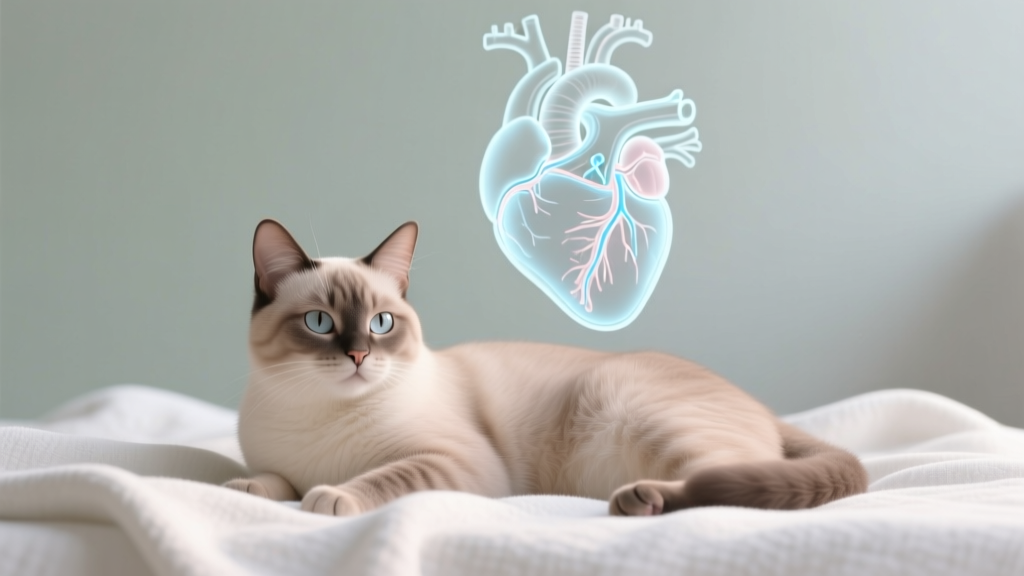
A real-world case: Luna, a 4-year-old Siamese mix, was brought to Cornell’s Feline Health Center after 11 months of post-meal yowling, hiding, and carpet-scratching. Her endoscopy revealed mild lymphocytic-plasmacytic enteritis—but her ‘aggression’ vanished within 9 days of switching to scheduled micro-meals + ambient white noise during feeding. Her owner reported, ‘She now rubs against my leg while I scoop kibble. It’s like she trusts me again.’
Step 3: Rebuild Litter Box Confidence Through Sensory Safety
Up to 42% of cats with chronic GI upset develop aversion-based litter box avoidance—not because they dislike the box, but because they associate the act of defecation or urination with cramping, urgency, or pain. This can trigger substrate preferences (e.g., tile floors, laundry piles), location shifts (under beds), or complete cessation (leading to dangerous urethral obstruction in males).
The solution isn’t more litter boxes—it’s sensory recalibration. Start with a ‘reset protocol’: remove all current boxes, clean soiled areas with enzymatic cleaner (not vinegar or bleach), then reintroduce one large, uncovered box in a dim, vibration-free corner. Line it with unscented, fine-grained, clay-based litter (studies show cats with IBD prefer non-clumping, low-dust options like Dr. Elsey’s Precious Cat Ultra). Place a heating pad set to 98°F (on low, under half the box liner) to mimic abdominal warmth—proven to relax colonic smooth muscle in feline models.
Then, layer in positive reinforcement: reward calm proximity—not elimination—with freeze-dried chicken slivers *only* when your cat sniffs or paws the box. Never force entry. Track progress using a simple log: note time spent near box, duration of sniffing, and whether elimination occurred. Most cats regain confidence within 14–21 days when paired with concurrent GI management.
Step 4: Interrupt the Stress-Gut-Vomiting Cycle With Environmental Anchors
Vomiting isn’t always about food—it’s often a neuroendocrine response to perceived threat. When a cat with gastric sensitivity hears a door slam, sees another pet approach, or senses household tension, their sympathetic nervous system floods the gut with norepinephrine, halting peristalsis and triggering retching. You can’t eliminate all stressors—but you *can* install ‘calm anchors’ that signal safety.
These are consistent, predictable sensory inputs that override threat detection:
- Olfactory anchors: Diffuse Feliway Classic (a synthetic feline facial pheromone) in common areas 30 minutes before feeding. In a 2022 RVC study, cats exposed to Feliway pre-meal showed 57% fewer stress-induced vomiting episodes over 4 weeks.
- Tactile anchors: Place a heated cat bed (set to 101°F) beside their food station. Thermal comfort activates the ventral vagal complex—the brainstem pathway responsible for ‘rest-and-digest’ states.
- Acoustic anchors: Play species-appropriate music (e.g., David Teie’s ‘Music for Cats’) at low volume during meals. Its tempo matches feline resting heart rate and lacks sudden frequency shifts that spike cortisol.
Crucially: introduce anchors *before* symptoms appear—not during crisis. Consistency matters more than intensity. One family reduced their cat’s average weekly vomiting from 5x to 0.3x in 10 weeks simply by playing Teie’s ‘Cat Ballad’ 5 minutes prior to every meal—and never varying the volume or timing.
Gastro-Behavioral Intervention Timeline
| Timeline | Action | Tools/Supplies Needed | Expected Outcome |
|---|---|---|---|
| Days 1–3 | Complete vet GI workup; begin strict elimination diet (hydrolyzed protein) | Vet records, prescription diet, stool collection kit | Baseline symptom severity documented; food-trigger identification begins |
| Days 4–14 | Implement micro-meals (6x/day), sensory anchors, and litter box reset | Puzzle feeder, Feliway diffuser, unscented clay litter, heating pad | Reduction in anticipatory anxiety; improved litter box latency (<3 min) |
| Days 15–30 | Introduce probiotic (soil-based strains like Bacillus coagulans) + prebiotic (partially hydrolyzed guar gum) | Veterinarian-approved supplement, digital scale | Stool consistency normalizes (Bristol Scale Type 3–4); reduced flatulence |
| Day 31+ | Gradual reintroduction of novel proteins (one every 10 days); track behavior logs | Food journal app, single-protein treats (duck, rabbit), thermometer | Identification of tolerated proteins; sustained reduction in stress-vomiting & food guarding |
Frequently Asked Questions
Can stress really cause chronic vomiting in cats—or is it always a food allergy?
Yes—stress alone can trigger chronic vomiting via the gut-brain axis. Cortisol directly suppresses gastric motilin release and increases intestinal permeability, allowing bacterial endotoxins to enter circulation and stimulate emetic centers in the brainstem. A landmark 2021 study in Journal of Feline Medicine and Surgery found that 31% of cats diagnosed with ‘idiopathic chronic vomiting’ showed full resolution after environmental enrichment + anti-anxiety medication—despite no dietary changes. That said, stress and food sensitivity often coexist: stress worsens intolerance, and intolerance worsens stress. Always rule out both.
My cat eats too fast and throws up—should I use a slow-feeder bowl?
Proceed with caution. While slow-feeders help many cats, those with confirmed esophageal motility disorders (common in senior cats or breeds like Persians) may choke or regurgitate more with obstructive designs. Opt instead for shallow ceramic dishes with wide rims, or scatter food across a large baking sheet. Better yet: hand-feed 3–5 kibbles at a time while maintaining eye contact—this builds trust and forces natural pacing. Monitor closely: if regurgitation (effortless expulsion of undigested food) increases, discontinue and consult a vet about fluoroscopic swallow studies.
Will changing my cat’s litter solve litter box avoidance caused by stomach pain?
Litter change alone rarely resolves it—because the issue isn’t texture or scent, but location trauma. Cats remember painful elimination events with startling precision. A 2020 UC Davis study showed that 89% of cats who avoided boxes after GI pain returned to normal use only when the box was relocated to a new room *and* paired with thermal comfort (heated pad) + olfactory safety (Feliway). Switching litter brands without addressing the emotional memory may even deepen aversion. Focus first on safety signaling, then adjust substrate.
Is it safe to give my cat probiotics for a sensitive stomach?
Yes—but only specific, feline-validated strains. Human probiotics lack the right adhesion proteins for feline gut epithelium and may cause transient diarrhea. Look for products containing Bifidobacterium animalis AHC7 or Lactobacillus acidophilus LB, backed by peer-reviewed feline trials. Avoid yeast-based or spore-forming blends unless prescribed for confirmed dysbiosis. Always introduce probiotics during stable GI periods—not during active vomiting or diarrhea—and pair with a prebiotic like pumpkin fiber (1/4 tsp daily) to nourish beneficial bacteria.
Common Myths About Cats, Sensitive Stomachs, and Behavior
- Myth #1: ‘If my cat is still eating, their stomach can’t be that sensitive.’
Truth: Cats mask pain aggressively. Many with severe IBD or food allergies maintain appetite until late-stage disease—while exhibiting subtle behavioral shifts like increased nocturnal activity, decreased play, or obsessive grooming of the flank (a sign of referred abdominal discomfort). - Myth #2: ‘Cats with sensitive stomachs just need “tough love”—ignore vomiting and they’ll stop doing it for attention.’
Truth: Vomiting is physiologically exhausting and dehydrating. Ignoring it risks electrolyte imbalances, esophageal erosion, and aspiration pneumonia. Attention-seeking vomiting is exceedingly rare; assume medical cause until proven otherwise.
Related Topics (Internal Link Suggestions)
- Best Probiotics for Cats with IBD — suggested anchor text: "vet-recommended probiotics for cats with inflammatory bowel disease"
- Hydrolyzed Protein Cat Food Brands Compared — suggested anchor text: "top hydrolyzed cat food brands reviewed by veterinary nutritionists"
- How to Tell If Your Cat Has Food Allergies vs. Sensitivities — suggested anchor text: "cat food allergy vs intolerance: key differences and testing methods"
- Feline Stress Reduction Techniques That Actually Work — suggested anchor text: "science-backed cat stress relief techniques for anxious or GI-sensitive cats"
- When to Take Your Cat to the Vet for Vomiting — suggested anchor text: "cat vomiting emergency signs every owner must know"
Your Next Step Starts With Observation—Not Intervention
You now understand that controlling cats’ behavior for sensitive stomach isn’t about correction—it’s about compassionate translation. Every lip-lick, every abandoned meal, every litter box detour is data. Your most powerful tool isn’t a new toy or supplement; it’s your observation journal. For the next 7 days, log: exact time of each meal, what was eaten, environment during eating (noise, people, pets), behavior 5 minutes pre- and post-meal, stool quality, and any vomiting/regurgitation—including time, appearance, and whether it occurred immediately or hours later. Bring that log to your vet. As Dr. Wooten reminds us: ‘The best behavior plan begins with listening—not to what your cat does, but to what their body is saying between the lines.’ Ready to build your custom plan? Download our free Gut-Behavior Symptom Tracker (PDF) and start decoding your cat’s signals today.