Feline Obesity Health Risks: What Every Cat Owner Must Know
Why Feline Obesity Is a Silent Epidemic
Over 60% of U.S. cats are overweight or obese—a figure that rose from 53% in 2018 (Association for Pet Obesity Prevention, 2023). Unlike dogs, cats rarely lose weight spontaneously; their metabolism slows dramatically with age and inactivity. This makes obesity especially dangerous for senior cats over age 10, who face compounded risks from reduced mobility and declining organ function.
Five Life-Threatening Health Risks
Obesity directly contributes to diabetes mellitus—nearly 1 in 4 diabetic cats are obese at diagnosis (American Veterinary Medical Association, 2022). It also doubles the risk of osteoarthritis, triples the likelihood of urinary tract disease, increases hypertension prevalence by 3.2×, and raises the incidence of hepatic lipidosis during fasting or illness. A 2021 Cornell University study found that obese cats lived an average of 2.3 years less than lean counterparts.
Symptoms You Can Spot at Home
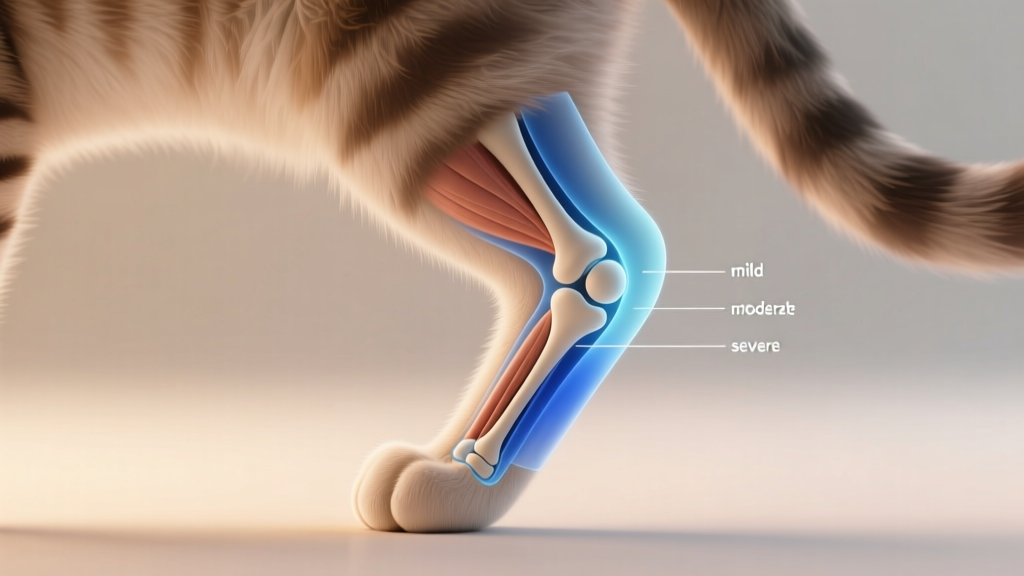
Watch for subtle changes: difficulty jumping onto furniture, reluctance to groom the lower back or tail base, visible fat pads over ribs (you should feel—not see—ribs easily), labored breathing after minimal activity, and a sagging abdomen when viewed from above. In one real-world case, Luna, a 9-year-old domestic shorthair, developed intermittent lameness and was diagnosed with grade 2 elbow osteoarthritis after gaining 3.7 lbs over 14 months—despite no trauma.
Veterinary Diagnosis and Weight-Loss Protocols
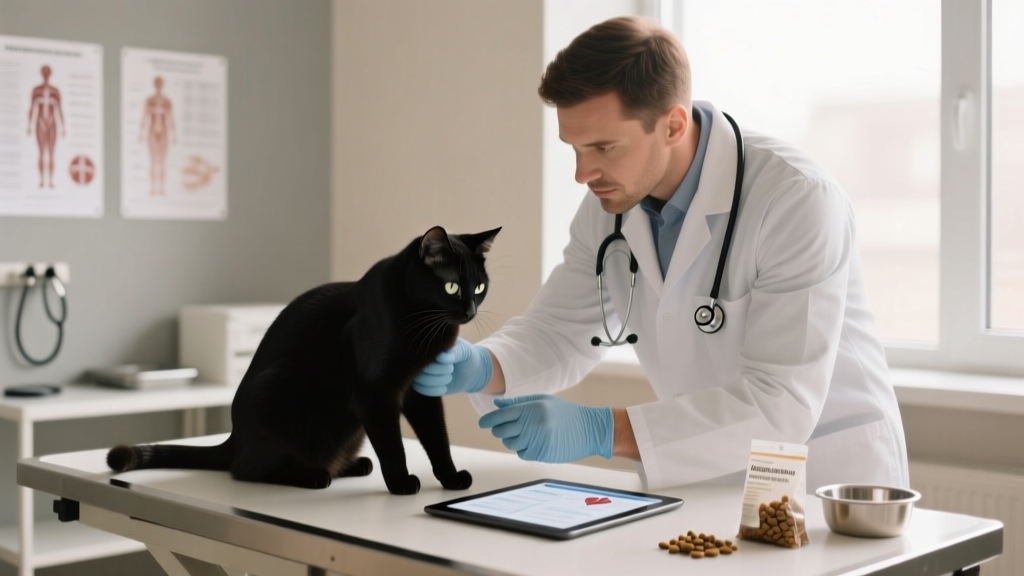
Vets use body condition scoring (BCS) on a 9-point scale—ideal is 4–5. Cats scoring ≥7 require intervention. The Royal Canin Satiety Support Dry formula (launched 2020) has shown 68% success in achieving safe weight loss over 16 weeks when combined with portion control and twice-daily play. Always rule out hypothyroidism or Cushing’s before starting a plan—these conditions mimic obesity but require different treatment.
Emergency Red Flags Requiring Immediate Care
Acute lethargy, refusal to eat for >24 hours, vomiting, yellowing gums (jaundice), or collapse signal potential hepatic lipidosis or diabetic ketoacidosis. These are true emergencies. Max, a 12-year-old Maine Coon, presented comatose after 36 hours without food; bloodwork confirmed severe hyperglycemia and elevated liver enzymes—requiring ICU care and tube feeding for 5 days.
Prevention starts early: kittens fed ad libitum have a 40% higher lifetime obesity risk. Feed measured portions using a digital scale—never eyeball portions. Daily interactive play (10–15 minutes, twice daily) mimics hunting behavior and burns ~35 kcal/session.
Senior cats need adjusted nutrition: protein intake should remain high (≥40% DM) to preserve muscle mass while calories drop by ~20% after age 11. Consider prescription diets like Hill’s Science Diet Metabolic + Age Defying (released March 2023), clinically proven to reduce body fat by 12.4% in cats aged 10+ over 12 weeks.
Regular weigh-ins matter—schedule them every 4–6 weeks during weight loss and every 3 months for maintenance. A 5% weight loss often yields measurable clinical improvement in mobility and respiratory effort.
| Risk Condition | Increased Risk in Obese Cats | Key Intervention |
|---|---|---|
| Diabetes Mellitus | 2.8× higher incidence | Weight loss + low-carb diet (e.g., Purina DM) |
| Osteoarthritis | 2.1× higher prevalence | Glucosamine/chondroitin + environmental modifications |
| Hepatic Lipidosis | 4.7× higher mortality if triggered | Never fast—feed small, frequent meals |