Hairballs in Cats: When to Worry (2026)
Why This Isn’t Just ‘Cats Being Cats’ — And Why It Matters Right Now
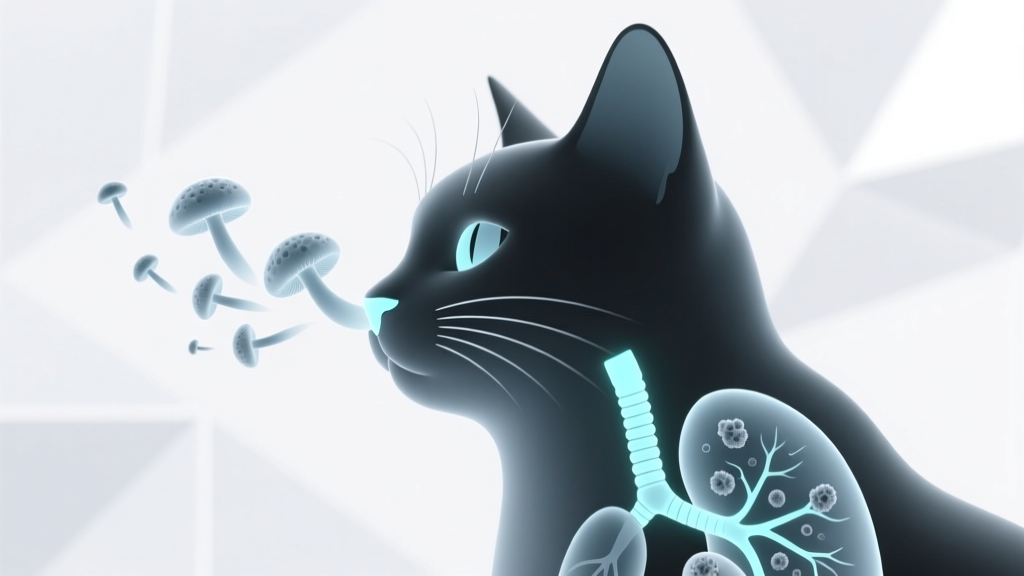
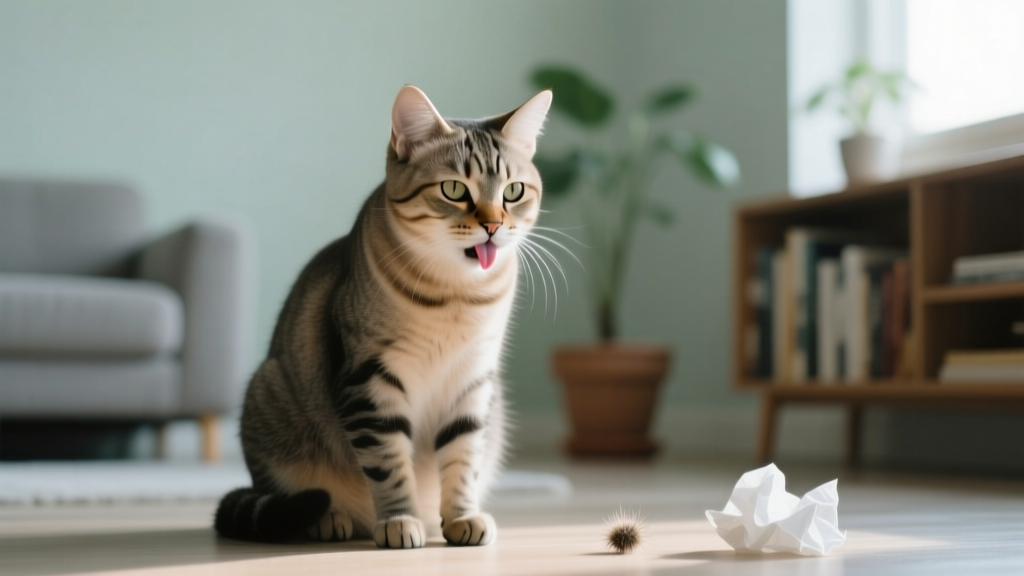
What is typical cat behavior for hairballs? That question lands in millions of homes every month — often right after a startled owner hears a retching sound at 3 a.m., finds a damp, cylindrical mass on the rug, or notices their usually energetic cat suddenly avoiding food and hiding under the bed. While hairballs are commonly dismissed as an inevitable quirk of feline life, up to 30% of cats presenting with chronic vomiting or constipation are later diagnosed with underlying GI disease masked by ‘normal’ hairball behavior (Journal of Feline Medicine and Surgery, 2022). What feels like routine grooming may actually be your cat’s only way of signaling intestinal inflammation, motility disorders, or even early-stage lymphoma. Ignoring subtle shifts — like increased lip-licking before retching, prolonged abdominal heaving without expulsion, or litter box avoidance after gagging — can delay life-saving intervention by weeks. This isn’t about overreacting. It’s about recognizing the language your cat uses when they can’t say, ‘Something’s wrong inside.’
Decoding the Spectrum: From Harmless to High-Risk Hairball Behavior
Cats groom themselves up to 50% of their waking hours — a biological imperative that deposits ingested fur into the stomach. In healthy cats, most of that fur passes through the digestive tract uneventfully. Only about 1–2% of ingested hair accumulates enough to form a cohesive mass. But how your cat handles that mass — and what happens before, during, and after — tells a far richer story than ‘they cough one up every few weeks.’
Dr. Lena Cho, DVM and feline internal medicine specialist at UC Davis Veterinary Medical Teaching Hospital, emphasizes: ‘The frequency matters less than the effort, duration, and sequelae. A cat who gags for 90 seconds, produces nothing, then resumes napping has crossed into concerning territory — even if it only happens once a month.’
Here’s how to map your observations onto a clinical risk gradient:
- Low-risk (reassuring): Single, effortless retch followed immediately by a moist, tubular hairball; cat resumes normal activity within 60 seconds; no appetite change; occurs ≤ once every 2–3 weeks in long-haired breeds, ≤ once every 4–6 weeks in shorthairs.
- Moderate-risk (monitor closely): Repeated dry heaves (≥3 episodes in 24 hrs) with partial or no expulsion; mild lethargy lasting <12 hours; temporary decrease in food intake (<2 meals missed); lip-smacking or excessive swallowing post-gag.
- High-risk (veterinary evaluation needed within 24 hrs): Abdominal distension or tenderness; straining in litter box without defecation; complete anorexia >24 hrs; pale gums; dehydration signs (skin tenting, tacky gums); repeated non-productive retching >3x/day for >2 days.
Crucially: No cat should ever vomit hairballs more than once per week. If yours does, it’s not ‘just shedding’ — it’s evidence of either excessive grooming (often anxiety-driven) or compromised GI motility.
The Hidden Triggers: Why ‘Typical’ Behavior Isn’t Always Normal
When we ask, what is typical cat behavior for hairballs?, we’re often really asking: Is this something I can manage at home, or is it a symptom of something deeper? The answer hinges on root cause — and surprisingly, only ~15% of recurrent hairball incidents stem purely from heavy shedding. The rest trace back to three under-recognized drivers:
- Gastrointestinal dysmotility: Slowed transit time allows hair to clump instead of moving smoothly. Linked to chronic pancreatitis, IBD, and hyperthyroidism (especially in cats >8 years old).
- Anxiety-induced overgrooming: Stress (from multi-cat households, environmental changes, or untreated pain) triggers compulsive licking — increasing hair ingestion by 300% in documented cases (American Association of Feline Practitioners, 2021 Consensus Guidelines).
- Dietary insufficiency: Low-fiber, low-moisture diets reduce intestinal peristalsis and stool bulk, diminishing the natural ‘sweeping’ effect that clears hair from the colon.
A real-world example: Bella, a 6-year-old Siamese, presented with ‘weekly hairballs’ for 8 months. Her owner assumed it was breed-related. But video review revealed she spent 47 minutes grooming daily (vs. average 18 min) and licked baseboards obsessively — classic displacement behavior. After environmental enrichment and fluoxetine therapy, her hairball frequency dropped to zero in 10 weeks. Her ‘typical behavior’ was actually untreated anxiety.
Vet-Validated Action Plan: What to Do (and Not Do) When You See Hairball Behavior
Forget outdated advice like ‘just give them butter or petroleum jelly.’ Those methods are ineffective and potentially dangerous (petroleum jelly can cause lipid pneumonia if aspirated; butter adds unhealthy fat without aiding motility). Instead, follow this evidence-based protocol:
- Document rigorously for 72 hours: Note timing, duration, sounds (wet vs. dry retch), presence/absence of expulsion, appetite, water intake, litter box output, and energy level. Use voice memos — owners consistently underestimate symptom severity when recalling.
- Immediate dietary pivot (if low-risk): Switch to a high-moisture, moderate-fiber diet (≥3% crude fiber, ≥75% moisture). Canned or rehydrated freeze-dried foods increase gastric emptying speed by 40% compared to kibble (Cornell Feline Health Center study, 2023).
- Strategic brushing (not just ‘more’): Use a stainless-steel comb twice daily — but only during calm periods (post-nap, pre-meal). Avoid brushing when anxious; it reinforces stress-grooming cycles. Focus on flank and tail base where hair mats first.
- When to stop home care: If no improvement in 48 hours, or if any high-risk sign appears, contact your vet. Request a GI panel — not just ‘a check-up.’ This should include T4, folate/B12, cobalamin, and ideally abdominal ultrasound (not just X-ray, which misses soft-tissue motility issues).
Pro tip: Keep a ‘hairball log’ in your phone notes app. Track not just events, but context — e.g., ‘Hairball #3: occurred 2 hrs after new dog introduced; cat hid for 5 hrs afterward.’ Patterns emerge fast.
When ‘Normal’ Becomes Dangerous: The Critical Timeline Table
| Time Since First Observed Behavior | Key Observations | Recommended Action | Risk Level |
|---|---|---|---|
| 0–6 hours | Single productive retch; hairball expelled; cat eats normally; playful | Monitor hydration; brush gently; offer wet food | Low |
| 6–24 hours | 2+ non-productive retches; decreased interest in food; mild lethargy | Withhold food 12 hrs (offer water); start gentle abdominal massage (clockwise, 2 min); reassess | Moderate |
| 24–48 hours | No expulsion despite retching; no stool for >24 hrs; gums slightly pale | Contact vet immediately; do NOT administer laxatives; prepare for possible ultrasound | High |
| 48+ hours | Abdominal distension; vomiting bile; complete anorexia; collapse | Emergency clinic visit — potential surgical intervention required | Critical |
Frequently Asked Questions
Can hairballs cause blockages — and how common is that?
Yes — though less common than once believed, intestinal obstructions from hairballs remain a leading cause of emergency feline GI surgery. A 2020 retrospective study at Angell Animal Medical Center found hairball-related obstructions in 12% of cats undergoing exploratory laparotomy for suspected foreign bodies. Crucially, 83% had no prior history of frequent hairballs — meaning ‘first-time’ incidents can be life-threatening. Signs include sudden, violent retching without expulsion, abdominal pain on palpation, and absence of feces for >48 hours.
Are hairball control foods actually effective — or just marketing?
Some are — but efficacy depends entirely on formulation. Peer-reviewed trials show that diets containing psyllium husk (not generic ‘fiber’) at 3.5–4.5% concentration significantly improve hair transit time (measured via radiopaque markers). However, many commercial ‘hairball formulas’ use indigestible cellulose that adds bulk without enhancing motility — and some contain excessive fat that slows gastric emptying. Look for AAFCO statements citing ‘increased fiber for hairball reduction’ and check ingredient lists for psyllium or beet pulp, not ‘corn gluten meal’ or ‘brewers rice.’
My cat never throws up hairballs — is that safer?
Not necessarily. Cats who don’t expel hairballs may be retaining them longer — increasing risk of compacted trichobezoars (hardened masses) that obstruct the ileocecal valve. These cats often present with chronic constipation or intermittent anorexia rather than dramatic vomiting. A 2021 study in Veterinary Record found that 68% of cats diagnosed with partial obstructions had zero documented hairball expulsion in the prior year. Silent retention is often more dangerous than visible expulsion.
Do hairball remedies like malt paste work — and how often should I give them?
Laxative pastes (e.g., Laxatone) provide lubrication but do not enhance motility. They’re appropriate for short-term use (3–5 days) in low-risk cases, but become counterproductive if used chronically — they can cause electrolyte imbalances and mask underlying disease. Never give more than directed: overuse leads to diarrhea, dehydration, and nutrient malabsorption. For cats with recurrent issues, focus on prevention (diet, brushing, stress reduction) over suppression.
Is there a genetic component — are some breeds truly more prone?
Yes — but not for the reason most assume. Long-haired breeds (Maine Coons, Persians) have higher hair volume, yet studies show shorthaired cats with anxiety disorders produce more hairballs per gram of body weight due to obsessive grooming. Genetics play a role in GI motility efficiency: Burmese and Siamese cats show higher rates of functional GI disorders, making hair clearance less efficient regardless of coat length. So while coat length increases raw material, genetics and behavior determine whether that material becomes problematic.
Debunking Common Myths
Myth #1: “Hairballs are just part of having a cat — nothing to worry about.”
Reality: This mindset delays diagnosis of serious conditions like inflammatory bowel disease (IBD), which presents identically to ‘chronic hairballs’ in 40% of cases. IBD is treatable — but irreversible damage occurs if untreated beyond 6–12 months.
Myth #2: “If my cat eats grass, it’s trying to ‘induce’ a hairball.”
Reality: Cats eat grass to obtain folate and aid digestion — not to vomit. Studies show only ~25% of grass-eating episodes result in vomiting, and hairballs are expelled in just 12% of those. Attributing grass-eating to hairball relief misdirects attention from actual causes like dietary deficiency or nausea.
Related Topics (Internal Link Suggestions)
- Feline Inflammatory Bowel Disease Symptoms — suggested anchor text: "signs of IBD in cats"
- Best Brush for Long-Haired Cats — suggested anchor text: "gentle deshedding tools for cats"
- Stress Reduction Techniques for Cats — suggested anchor text: "calming strategies for anxious cats"
- High-Moisture Cat Food Brands — suggested anchor text: "vet-recommended wet cat foods"
- When to Worry About Cat Vomiting — suggested anchor text: "vomiting vs. regurgitation in cats"
Your Next Step Starts With One Observation
You now know that what is typical cat behavior for hairballs isn’t a static checklist — it’s a dynamic signal, calibrated to your individual cat’s age, health status, and environment. The most powerful tool you have isn’t a special food or paste; it’s your attentive eye and consistent documentation. Start tonight: set a reminder to observe your cat’s next grooming session. Note duration, intensity, and what they do immediately after. Compare it to yesterday. That tiny comparison — repeated weekly — builds the baseline that separates true normalcy from silent distress. If you’ve seen two or more moderate-risk signs in the past month, don’t wait for a crisis. Call your veterinarian tomorrow and request a feline GI wellness consult — specifically asking for cobalamin testing and discussion of dietary moisture optimization. Your cat’s subtle language is already speaking. It’s time to listen — and respond with precision, not assumption.