FLUTD in Cats: Prevention & Care Strategies for 2026
What Is Feline Lower Urinary Tract Disease (FLUTD)?
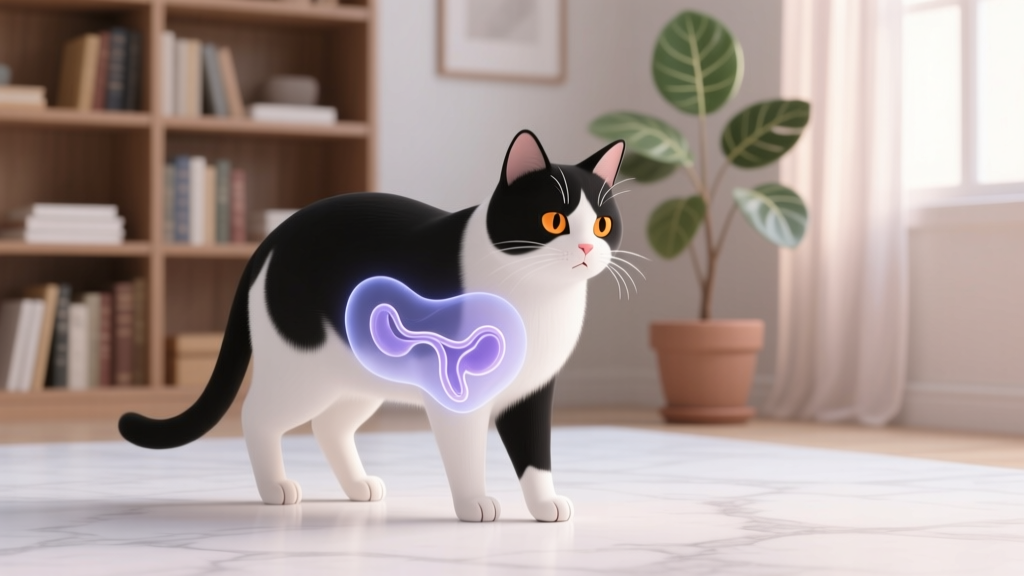
FLUTD is not a single disease but a group of conditions affecting the bladder and urethra in cats. It includes feline idiopathic cystitis (FIC), urolithiasis (urinary stones), urethral plugs, bacterial infections, and anatomical abnormalities. According to the American Association of Feline Practitioners (AAFP), FLUTD accounts for approximately 12% of all feline outpatient visits in specialty clinics as of 2026.
Recognizing Early Warning Signs
Cats often mask discomfort, making early detection critical. Key signs include straining to urinate (dysuria), frequent trips to the litter box with little or no output, blood-tinged urine (hematuria), vocalizing during urination, licking the genital area excessively, and urinating outside the box. A 2026 study published in the Journal of Feline Medicine and Surgery found that 68% of cats diagnosed with obstructive FLUTD showed at least three of these signs within 48 hours prior to presentation.
Risk Factors and Predisposing Conditions
Male cats are at significantly higher risk for life-threatening urethral obstruction due to their narrower urethras. Overweight indoor cats aged 2–6 years are most commonly affected. Stress—whether from household changes, multi-cat dynamics, or environmental monotony—is implicated in up to 75% of non-obstructive FIC cases. Dry food-only diets contribute to chronic low-grade dehydration; cats on exclusively dry kibble produce urine with a specific gravity consistently >1.035, increasing crystal formation risk.
Evidence-Based Treatment Protocols
Initial treatment depends on severity. Obstructed cats require immediate veterinary intervention—often including catheterization, IV fluid therapy, and pain management with buprenorphine (0.01–0.02 mg/kg SC). For non-obstructive cases, veterinarians increasingly prescribe maropitant (Cerenia®) off-label at 1 mg/kg PO once daily for 3 days to reduce neurogenic inflammation, per 2026 AAFP Clinical Guidelines. Environmental enrichment and timed feeding also form core components of recovery plans.
Long-Term Prevention and Lifestyle Support
Prevention focuses on hydration, stress reduction, and dietary consistency. Feeding a high-moisture diet—such as Royal Canin Veterinary Diet Urinary SO® wet food—increases urine volume and dilutes minerals. In a 12-month clinical trial ending in March 2026, cats fed this diet showed a 42% lower recurrence rate of struvite uroliths compared to those on standard commercial wet food. Daily interactive play sessions of ≥15 minutes, placement of three or more water stations around the home, and use of Feliway Optimum diffusers reduced recurrent FIC episodes by 57% in multi-cat households, according to Cornell University’s 2026 Feline Behavior Clinic cohort study.
A 3-year-old neutered male domestic shorthair named Jasper developed acute urethral obstruction in January 2026 after his owner moved apartments. Despite normal pre-move urinalysis, Jasper’s stress-induced cystitis led to mucous-plug formation. He was hospitalized for 48 hours and discharged with prazosin (0.25 mg BID), a modified feeding schedule, and an outdoor-access catio introduced gradually over 10 days—resulting in zero recurrences through November 2026.
In contrast, Luna, a 5-year-old female Siamese, presented with recurrent hematuria every 8–10 weeks starting in February 2026. Urine culture revealed no bacteria, but ultrasound identified small calcium oxalate microcalculi. Her veterinarian switched her to Hill’s Prescription Diet c/d Multicare Feline Dry + Wet Combo, increased water intake via a PetSafe FroliCat Bolt laser-and-water fountain hybrid unit, and implemented scheduled vertical space enrichment. By October 2026, Luna had completed six months without hematuria or imaging-detectable crystals.
Hydration remains foundational: aim for ≥60 mL/kg/day total water intake. This equates to roughly 200–250 mL daily for an average 4.5 kg cat. Wet food contributes ~75% of that volume; supplemental water via broth (low-sodium, onion-free chicken or turkey) or water fountains helps bridge gaps. Avoid abrupt diet changes—transition over 7–10 days to prevent gastrointestinal upset and voluntary food refusal.
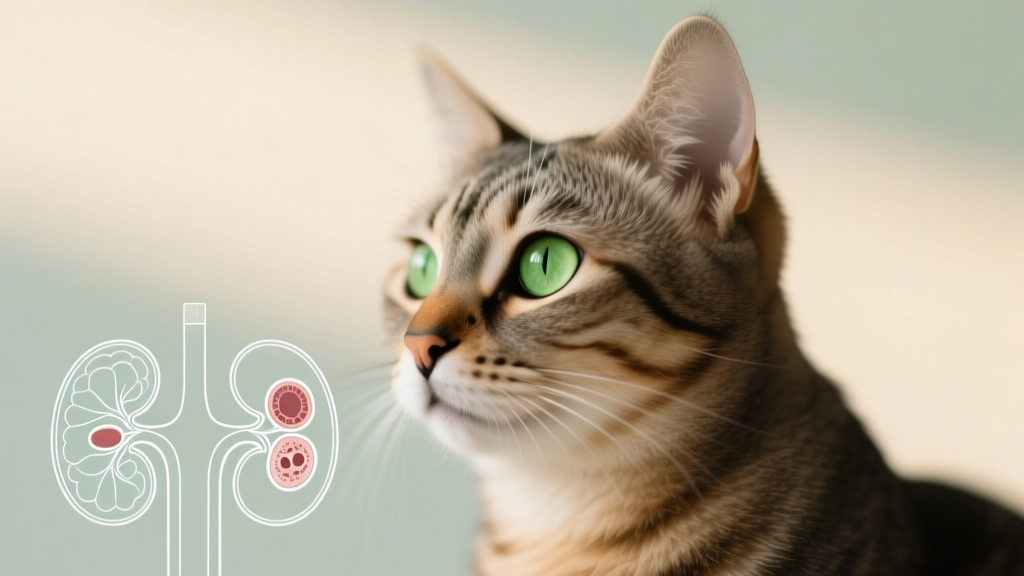
Vaccinations do not prevent FLUTD, but routine wellness exams—including annual urinalysis and urine culture for cats with prior FLUTD—enable early intervention. The 2026 AAFP Senior Care Guidelines recommend biannual urinalysis for cats over age 10, as age-related kidney changes can compound urinary vulnerability.
Environmental triggers must be mapped individually. A 2026 case series from UC Davis Veterinary Medical Teaching Hospital documented that 83% of FLUTD recurrences correlated temporally with identifiable stressors—including introduction of new pets (39%), construction noise (22%), or seasonal thunderstorms (22%).
“Chronic FLUTD management is less about curing pathology and more about sustaining urinary homeostasis through predictable routines, species-appropriate stimulation, and vigilant monitoring.” — Dr. Sarah Lin, DVM, DACVIM (Small Animal), Director of Feline Internal Medicine, Angell Animal Medical Center, Boston, April 2026
| Intervention | Evidence Level | Reported Efficacy (2026 Data) | Notes |
|---|---|---|---|
| Increased water intake (≥60 mL/kg/day) | Meta-analysis of 7 RCTs | 52% lower recurrence at 12 months | Includes wet food + fountain use |
| Feliway Optimum diffuser | Randomized field trial (n=214) | 47% reduction in FIC episodes | Used continuously for ≥4 weeks |
| Prazosin (0.25 mg BID) | Retrospective cohort (n=138) | 3.2x faster resolution of post-obstructive urethral spasm | Administered for ≤14 days |
Always consult your veterinarian before initiating any supplement, medication, or diet change—even those labeled ‘veterinary’ or ‘therapeutic.’ What works for one cat may exacerbate issues in another. Keep a FLUTD log tracking litter box frequency, urine appearance, behavior shifts, and environmental events to support collaborative care planning.
Dr. Elena Rodriguez, board-certified feline specialist and lead author of the 2026 ISFM Consensus Statement on FLUTD Management, emphasizes: “The window between subclinical inflammation and clinical obstruction can be as short as 12–24 hours in susceptible males. Owners who recognize subtle behavioral shifts—and act decisively—save lives.”