Feline Diabetes Insulin Injection Technique for Owners
1. Why this topic matters for cat owners
Hearing that your cat has diabetes can feel overwhelming, especially when you’re told you’ll need to give insulin injections at home. The good news is that many owners become comfortable with insulin routine faster than they expect, and many diabetic cats can enjoy a happy, active life with consistent care.
Proper insulin injection technique matters because small details—dose accuracy, timing, storage, and where/how the injection is given—directly affect blood sugar control. Better control usually means fewer symptoms, fewer emergencies, and a better quality of life for your cat. This guide walks you through the “how” and the “why” in plain language, with practical steps you can start using immediately. Always partner closely with your veterinarian, since insulin plans are individualized.
2. Overview of feline diabetes (plain-language medical explanation)
Diabetes mellitus in cats is a condition where the body can’t use sugar (glucose) properly. Glucose is the main fuel for cells. To move glucose from the bloodstream into cells, the body relies on insulin, a hormone produced by the pancreas.
- In many diabetic cats, the pancreas isn’t making enough insulin, and/or the cat’s body is resistant to insulin’s effects.
- When insulin is insufficient, glucose builds up in the bloodstream (high blood sugar), while the cells act like they’re “starving,” because they can’t access that fuel.
- The kidneys try to remove excess glucose by dumping it into the urine, which pulls extra water with it—leading to frequent urination and increased thirst.
Insulin injections replace what the body can’t provide or use effectively. Along with diet and monitoring, insulin helps bring blood sugar into a safer range and reduces diabetes-related stress on the body.
3. Symptoms and warning signs to watch for
Many cats show gradual changes at first. Contact your veterinarian if you notice any of the following:
- Increased thirst (bigger water bowl demand, drinking from unusual places)
- Frequent urination (larger clumps in the litter box, accidents outside the box)
- Increased appetite with weight loss
- Lethargy or reduced activity
- Poor coat quality or dandruff
- Hind-leg weakness or walking “down on the hocks” (diabetic neuropathy)
- Vomiting or decreased appetite (can signal complications)
4. Causes and risk factors
Diabetes in cats is often multifactorial—meaning several influences can contribute. Common risk factors include:
- Excess weight/obesity (a major contributor to insulin resistance)
- Older age (middle-aged to senior cats are more commonly affected)
- Male cats (slightly higher risk in some populations)
- Inactive lifestyle
- High-carbohydrate diets in susceptible cats (diet is one piece of the puzzle)
- Other medical conditions such as pancreatitis, acromegaly, hyperthyroidism, or Cushing’s disease
- Medications that increase blood sugar or insulin resistance (for example, corticosteroids or progestins)
If your cat has diabetes, it doesn’t mean you did something “wrong.” The focus now is building a consistent plan with your veterinary team.
5. Diagnosis methods and what to expect at the vet
Diagnosis usually combines medical history, physical exam findings, and lab results. Your veterinarian may recommend:
- Blood glucose testing (measures sugar in the blood)
- Urinalysis (checks for glucose and ketones in urine; ketones can indicate a more serious state)
- Fructosamine test (reflects average blood sugar over the prior 1–2 weeks and helps distinguish stress-related high glucose from true diabetes)
- Bloodwork to assess organ function and look for concurrent disease
- Blood pressure and weight check
Once diabetes is confirmed, your veterinarian will choose an insulin type, starting dose, feeding plan, and monitoring strategy. It’s normal for the plan to be adjusted over time based on how your cat responds.
6. Treatment options (medical, home care, and monitoring)
Medical treatment: insulin therapy
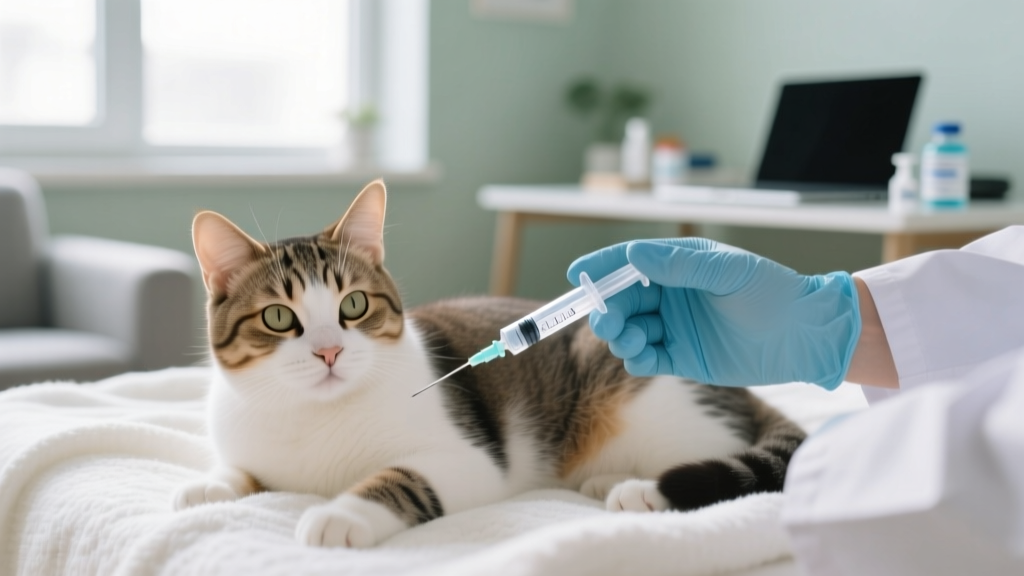
Insulin is the cornerstone of treatment for most diabetic cats. Your vet will prescribe a specific insulin and a syringe or pen system that matches it. Never change insulin type, syringe size, or dose without veterinary guidance—small changes can significantly alter blood sugar.
Home care essentials: feeding, consistency, and routine
- Feed a consistent diet recommended by your veterinarian (often higher-protein, lower-carbohydrate canned diets are used, but every cat is individual).
- Keep a steady schedule for meals and insulin (usually every 12 hours for many insulin protocols).
- Track daily habits: appetite, water intake, urination volume, energy, and weight.
Insulin injection technique: step-by-step for owners
Ask your veterinary team to demonstrate and watch you practice. That hands-on coaching is one of the best confidence-builders.
Before you start: set up your supplies
- Insulin vial or pen (as prescribed)
- Correct syringes/needles (matching insulin concentration; your vet will specify)
- Treat or a small portion of a favorite low-carb food (to create a positive association)
- Sharps container for used needles
- Logbook or app to record dose and time
1) Store and handle insulin correctly
- Refrigeration: Most feline insulins are stored in the refrigerator; follow the label and your vet’s instructions.
- Gentle mixing: Some insulins need gentle rolling between your palms. Avoid shaking unless your veterinarian or the product label specifically instructs it, because vigorous shaking can damage some formulations.
- Check appearance: Look for clumps, “frosting” on the inside of the vial, unexpected cloudiness (depending on insulin type), or particles. If it looks different than usual, call your vet before using it.
- Mind expiration dates: Insulin potency can decline after opening. Follow your vet’s replacement schedule.
2) Measure the dose accurately
- Use only the syringe type your vet prescribed (for example, U-40 vs U-100 syringes are not interchangeable).
- Draw up the prescribed number of units at eye level to avoid measurement errors.
- Tap out air bubbles gently; recheck the dose after removing bubbles.
3) Choose an injection site and rotate locations
Insulin is given under the skin (subcutaneous), not into muscle. Typical sites include along the side of the chest or flank, or in the loose skin along the back (your vet may have a preference).
- Rotate sites to reduce irritation and improve absorption consistency.
- Aim for a calm, repeatable routine (same general region, different exact spot).
4) Create a “skin tent”
- With one hand, gently lift a fold of skin to form a tent.
- You’re aiming to place insulin into the space under the skin, not through the tent and out the other side.
5) Insert the needle smoothly and inject
- Insert the needle into the base of the tent at a shallow angle (often around 30–45 degrees, depending on your cat’s body condition and needle size).
- Push the plunger fully and steadily.
- Withdraw the needle and immediately reward your cat with praise or a small treat.
6) Confirm and record
- Check the fur: if it’s wet and smells like insulin, the dose may have leaked onto the coat (“fur shot”).
- Do not automatically give another dose if you suspect a fur shot. Giving extra insulin can be dangerous. Call your veterinarian for guidance.
- Log the time, dose, injection site area, and any notes (appetite, behavior, unusual signs).
Monitoring options
Your vet may recommend one or more of the following to keep your cat safe:
- Glucose curves (serial blood sugar checks over a day, done at home or in-clinic)
- Home blood glucose testing (many cats tolerate a small ear prick once owners are trained)
- Continuous glucose monitoring (CGM) sensors in some cases
- Fructosamine testing for longer-term control
7. Prevention strategies and early detection tips
Not all diabetes is preventable, but you can reduce risk and catch problems early:
- Maintain a healthy weight with measured meals and regular play sessions.
- Schedule routine wellness exams, especially for cats over age 7–8.
- Watch water intake and litter box output. A sudden change is often one of the earliest clues.
- Address other conditions promptly (dental disease, pancreatitis, thyroid disease) since overall health affects glucose control.
- Use medications wisely: if your cat needs steroids, ask your vet about monitoring plans and lowest effective dosing.
8. Prognosis and quality of life considerations
With consistent insulin dosing, appropriate diet, and monitoring, many diabetic cats do very well. Some cats may even go into diabetic remission, meaning they maintain normal blood sugar without insulin for a period of time. Remission is more likely when diabetes is identified early and managed closely, but it isn’t guaranteed.
Quality of life is a central goal. Signs your plan is working include:
- Normalizing thirst and urination
- Improved energy and grooming
- Stabilized or healthy weight gain (if previously losing weight)
- Consistent appetite (not ravenous, not absent)
Expect adjustments along the way. Diabetes management is often a “fine-tuning” process, especially early on.
9. When to seek emergency veterinary care
Some diabetes-related situations can become urgent quickly. Seek veterinary care right away (emergency clinic if needed) if you notice:
- Signs of low blood sugar (hypoglycemia): sudden weakness, wobbliness, tremors, disorientation, extreme sleepiness, seizures, or collapse
- Repeated vomiting, refusal to eat, or profound lethargy
- Rapid breathing, dehydration, or a “sick” look that’s worsening
- Ketone odor on the breath (sometimes described as sweet/acetone) or positive urine ketones if you’re testing at home
- You accidentally gave the wrong insulin dose (too much, double-dosed, or uncertain if it was given)
If you suspect hypoglycemia and your cat is awake and able to swallow, contact a veterinarian immediately for instructions. Do not force food or liquids if your cat is not fully alert.
10. FAQ: Common questions about insulin injections for cats
How do I know if I gave the injection correctly?
Many cats don’t react much when the needle is placed properly. If you don’t smell insulin and the fur isn’t wet, that’s reassuring. Keeping a log of improved symptoms (less thirst/urination, better energy) and following your vet’s monitoring plan are the best ways to confirm effectiveness.
What should I do if my cat won’t hold still?
- Try giving injections during a calm routine (after a meal, in a quiet room).
- Use gentle restraint: a non-slip mat, your cat’s favorite bed, or a helper can make it easier.
- Pair injections with something positive (a treat, brushing, a short play session).
- If it remains stressful, ask your vet about alternative techniques, smaller needles, or insulin pens if appropriate.
Can I give insulin if my cat didn’t eat?
Maybe, maybe not—this depends on the insulin type, the dose, your cat’s glucose readings (if you test), and your veterinarian’s plan. If your cat refuses food, is vomiting, or seems unwell, contact your vet before giving insulin. Never “guess” with dosing when appetite is abnormal.
What happens if I miss a dose?
Do not double the next dose unless your veterinarian specifically tells you to. Call your vet for guidance. In many cases, you’ll be instructed to give the next scheduled dose as normal, but individualized advice is safest.
Is home glucose testing really necessary?
Many cats benefit from home testing because it can reduce stress-related glucose spikes seen at the clinic and can improve safety by identifying low blood sugar early. Not every situation requires it, but it’s worth discussing with your veterinarian. If you’re open to it, ask for a hands-on lesson and a realistic testing schedule.
Can diabetic cats live a normal life?
Many do. The keys are consistency, regular veterinary follow-up, and a plan you can realistically maintain. Most owners find the routine becomes “just part of the day,” and many cats remain affectionate, playful, and comfortable for years.
If your cat has been diagnosed with diabetes or you’re worried about the signs, schedule a veterinary visit as your next step. With the right support and a steady routine, insulin injections can become manageable and safe for both you and your cat.
For more practical cat health guides, nutrition tips, and owner-friendly care resources, visit catloversbase.com.