Cat Toxascaris: Large Intestinal Roundworm
1. Why this topic matters to cat owners
Intestinal parasites are one of the most common health issues veterinarians see in cats, and they can affect kittens, adult cats, and seniors. Toxascaris leonina—often called the “large intestinal roundworm”—is a roundworm that lives in a cat’s intestinal tract and feeds off nutrients meant for your cat. Many cats don’t look sick at first, which is why owners are sometimes surprised when a fecal test comes back positive.
Understanding Toxascaris helps you protect your cat’s comfort, growth, and long-term health. It also helps you protect other pets in the home and keep your environment cleaner. With routine veterinary care, timely deworming, and a few practical prevention habits, most cats do very well.
2. Overview: What is Toxascaris (large intestinal roundworm)?
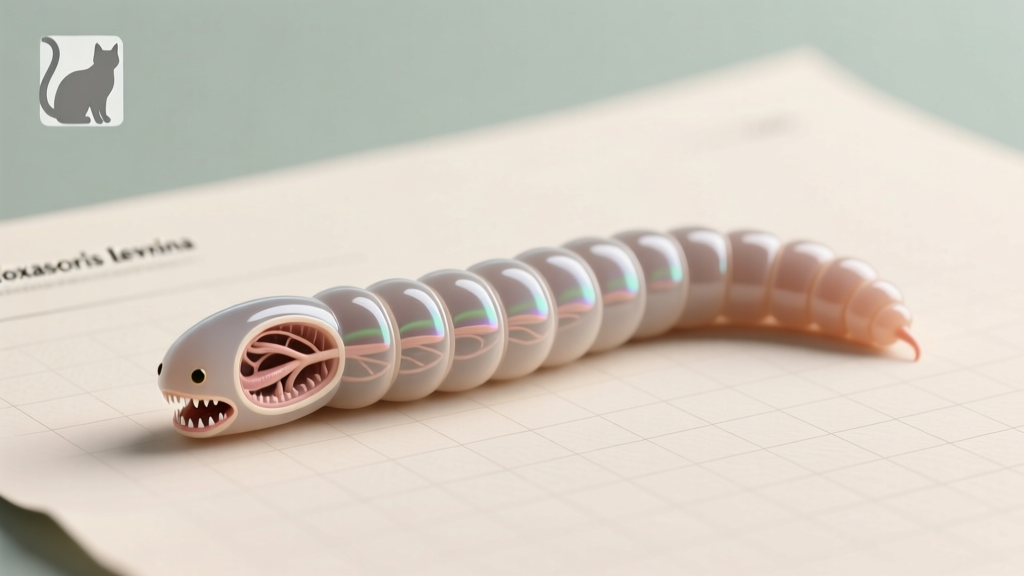
Toxascaris leonina is a roundworm (a type of intestinal nematode) that can infect cats and dogs. Adult worms live in the intestines and shed microscopic eggs into the environment through the cat’s stool. Those eggs can become infectious after spending time in the environment, and then other animals can become infected by swallowing them.
In plain language: roundworms are spaghetti-like intestinal worms. Your cat usually becomes infected by ingesting infective eggs (from contaminated soil, litter, or surfaces) or by eating a small prey animal that is carrying the parasite.
- Where it lives: Primarily the small intestine, but it’s often discussed as a “large intestinal” roundworm in general parasite education because it affects the intestinal tract and contributes to large-bowel-type signs like abnormal stool quality. (Your veterinarian may still refer to it broadly as an intestinal roundworm.)
- How it spreads: Eggs passed in stool → eggs develop in the environment → cat swallows eggs or eats a carrier host → worms mature in the intestine.
- Why it matters: Parasites can cause digestive upset, poor growth in kittens, dull coat, and can complicate other medical problems. They can also contaminate the home environment.
Toxascaris vs. Toxocara: Many people have heard of Toxocara cati, another common feline roundworm. They’re related but not identical. The prevention and treatment approach is similar, and fecal testing helps determine what’s present.
3. Symptoms and warning signs to watch for
Some cats show no obvious signs, especially with light infections. When symptoms occur, they are usually digestive or related to poor nutrient absorption.
Common signs cat owners may notice:
- Soft stool or diarrhea (may be intermittent)
- Vomiting (sometimes with worms visible)
- Pot-bellied appearance, especially in kittens
- Poor weight gain or weight loss despite eating
- Dull coat or reduced grooming
- Low energy or “not quite themselves”
- Increased appetite in some cats (seeking calories they aren’t absorbing well)
What worms look like: Adult roundworms may resemble pale, spaghetti-like strands. If you see anything like that in vomit or stool, save a photo or (if you can do so safely) bring a sealed sample to your veterinarian.
Kittens are at higher risk of complications: Because their bodies are small, even a moderate worm burden can lead to dehydration, belly discomfort, and poor growth.
4. Causes and risk factors
Toxascaris infections occur when a cat swallows infective eggs or eats an animal carrying larval stages.
Common risk factors include:
- Outdoor access: Soil, sandboxes, gardens, and shared outdoor areas can harbor eggs.
- Hunting behavior: Rodents and other small prey can act as carrier hosts.
- Multi-pet households or shelters: Higher exposure risk if fecal hygiene is challenging.
- Kittens and young cats: Immature immune systems and higher likelihood of exposure.
- Inconsistent parasite prevention: Skipping routine deworming or monthly preventives.
- Shared litter boxes: Easier spread if one cat is infected and boxes aren’t scooped frequently.
Can indoor cats get roundworms? Yes. Eggs can hitchhike indoors on shoes, dust, or contaminated items, and indoor cats can be exposed via foster kittens, new pets, or previously contaminated environments.
5. Diagnosis: What to expect at the vet
Roundworms cannot be reliably diagnosed by symptoms alone because vomiting and diarrhea have many causes. Your veterinarian will typically confirm infection with a stool test.
Typical diagnostic steps:
- History and exam: Your vet will ask about appetite, stool, vomiting, weight changes, outdoor access, and preventive history.
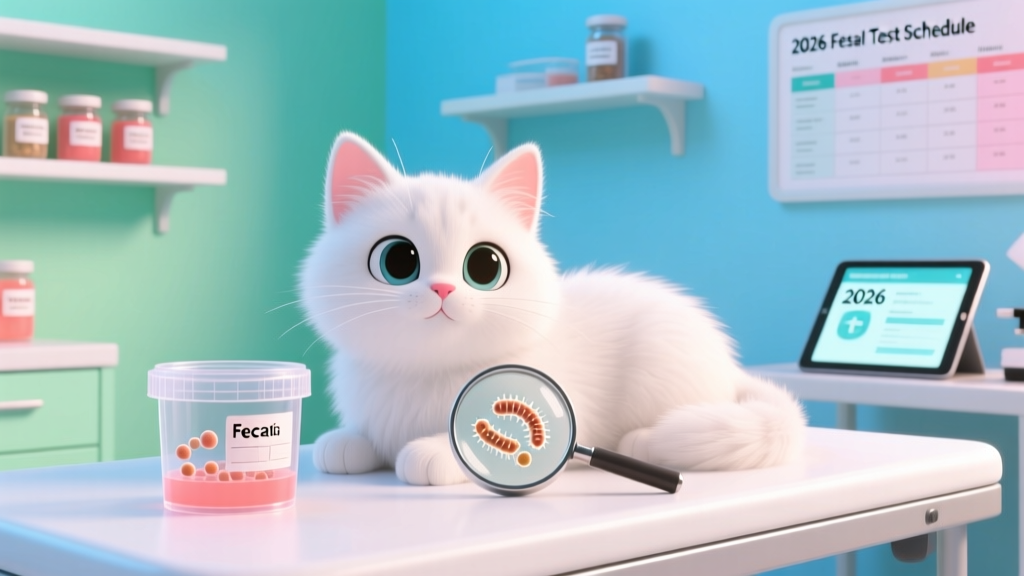
- Fecal testing: A fecal flotation (sometimes combined with antigen testing) looks for parasite eggs under a microscope. Toxascaris eggs have a characteristic appearance.
- Additional testing (as needed): If your cat is very ill or not responding as expected, your vet may recommend bloodwork, imaging, or additional stool tests to check for other parasites (like Giardia), infections, or inflammatory bowel issues.
Tips for bringing a stool sample:
- Bring a fresh sample (ideally within 12 hours).
- Use a clean container or a sealed bag placed inside another bag.
- Refrigerate if you can’t get to the clinic right away (don’t freeze).
6. Treatment options (medical, surgical, home care)
Most cats respond well to proper deworming. The exact medication and schedule depend on your cat’s age, weight, health status, and whether other parasites are present.
Medical treatment (deworming)
- Prescription dewormers: Common options include pyrantel pamoate, fenbendazole, and other veterinary antiparasitics. Your vet will choose the best fit based on testing and your cat’s needs.
- Repeat dosing is often needed: Dewormers typically kill adult worms, but not all life stages. Many protocols require a second dose (and sometimes additional doses) to catch worms as they mature.
- Addressing co-infections: It’s not unusual for cats to have more than one parasite. Your vet may treat for multiple parasites or adjust treatment once results are back.
Supportive care
If your cat has vomiting, diarrhea, or dehydration, your veterinarian may recommend:
- Fluids (subcutaneous or IV in more serious cases)
- Anti-nausea medication
- Probiotics or a temporary gastrointestinal diet
- Monitoring weight and hydration at home
Surgical treatment (rare)
Surgery is uncommon for Toxascaris, but in severe cases—especially in kittens with a heavy worm burden—worms can contribute to intestinal blockage. If your vet suspects an obstruction, imaging (X-rays or ultrasound) may be recommended, and surgery could be necessary.
Home care steps that help right away
- Give medication exactly as prescribed: Don’t split doses or stop early because your cat “seems better.”
- Scoop litter boxes daily (or more): Remove stool promptly to reduce environmental contamination.
- Wash bedding and clean surfaces: Use hot water for washable items and a pet-safe cleaner for floors.
- Prevent hunting if possible: Keep cats indoors or supervised, and reduce access to prey.
- Schedule the recheck: Follow-up stool testing is a practical way to confirm the infection is cleared.
Do not use over-the-counter dewormers without veterinary guidance. Some products are not effective against the specific parasite involved, and dosing errors can be dangerous—especially for kittens.
7. Prevention strategies and early detection tips
Preventing roundworms is much easier than dealing with repeated reinfection. A solid prevention plan combines veterinary-approved medication, hygiene, and smart environmental habits.
Prevention checklist for cat owners:
- Use a veterinarian-recommended parasite preventive: Many monthly preventives help control intestinal parasites. Your vet can recommend the best product for your cat’s lifestyle.
- Routine fecal exams: Adult cats often benefit from fecal testing at least once a year (more often for outdoor cats, multi-cat homes, or cats with recurring GI signs).
- Prompt litter box hygiene: Scoop daily, fully dump and wash boxes regularly, and avoid overcrowding (aim for one box per cat plus one extra).
- Reduce exposure: Keep cats indoors when possible, prevent hunting, and limit access to shared outdoor sand/soil areas.
- Quarantine and test new arrivals: New kittens, rescues, and foster cats should have a vet check, fecal test, and deworming plan before close contact with resident pets.
Early detection tip: If your cat has intermittent diarrhea, a mildly pot-bellied look, or occasional vomiting, request a fecal test sooner rather than “waiting it out.” Parasites are treatable, and early care keeps your cat feeling better faster.
8. Prognosis and quality of life considerations
The prognosis for Toxascaris infection is generally excellent with appropriate veterinary treatment. Most cats return to normal appetite, stool quality, and energy once worms are cleared.
Quality of life can be affected when:
- The infection is heavy (more common in kittens)
- There are other parasites or underlying GI conditions
- The cat is repeatedly reinfected from the environment
- Preventive care is inconsistent
What recovery often looks like: You may see improved stool quality within days after treatment, but full recovery of body condition and coat quality can take a few weeks. Kittens may need careful weight tracking and multiple deworming rounds as directed by the veterinarian.
9. When to seek emergency veterinary care
Roundworms are usually not an emergency, but complications can become serious—especially in kittens, small cats, or cats with other illnesses. Contact an emergency clinic or your veterinarian right away if you notice:
- Repeated vomiting or inability to keep water down
- Signs of dehydration (dry gums, sunken eyes, profound lethargy)
- Bloated, painful abdomen or crying when picked up
- No stool produced, straining without results, or concern for blockage
- Collapse, weakness, or very pale gums
- Rapid decline in a kitten (kittens can worsen quickly)
If you suspect your cat has an intestinal blockage, don’t give laxatives or home remedies unless a veterinarian specifically instructs you to do so.
10. FAQ: Common questions about Toxascaris in cats
Can humans catch Toxascaris from cats?
Some intestinal roundworms have zoonotic (human health) concerns. While Toxocara species are more commonly discussed in that context, it’s best to treat all roundworm infections seriously and practice good hygiene. Wear gloves when cleaning litter boxes if possible, wash hands afterward, and keep children away from areas where pet stool may be present. If you have health concerns or exposure worries, talk with your physician and your veterinarian.
My cat is indoor-only. Do I still need fecal tests and deworming?
Yes, indoor cats can still be exposed through contaminated soil tracked indoors, new pets, or foster kittens. Many veterinarians recommend routine fecal exams and a preventive plan even for indoor cats, tailored to their specific risk.
Will I always see worms in my cat’s poop if they’re infected?
No. Many infections are only detected by finding eggs on a microscopic fecal exam. Seeing worms is more likely with heavier burdens, but the absence of visible worms does not rule out infection.
How soon will my cat feel better after treatment?
Many cats improve within a few days, especially if diarrhea or vomiting was mild. Kittens or cats with heavy infections may take longer to regain weight and rebuild a healthy coat. Follow your vet’s plan for repeat doses and recheck testing to prevent relapse.
Do I need to treat all the cats in my home?
Often, yes—especially if cats share litter boxes or grooming contact. Your veterinarian will advise whether to treat everyone, test everyone, or both, based on your household setup and each cat’s health.
What’s the best way to prevent reinfection?
A combination works best: consistent parasite prevention prescribed by your veterinarian, daily litter box scooping, regular fecal testing, and reducing hunting/outdoor exposure when possible. Cleaning the environment promptly lowers the number of eggs your cat might accidentally ingest.
If you’re worried your cat may have roundworms—or if it’s been a while since their last fecal test—schedule a veterinary visit. Parasites are common, treatable, and much easier to manage with a clear plan.
For more practical, vet-informed cat wellness guidance, visit catloversbase.com for additional cat health resources.