Cat Diabetes Symptoms & Management Guide: 2026 Essentials
Recognizing Early Warning Signs of Feline Diabetes
Cats with diabetes often display subtle symptoms that owners may overlook. Increased thirst (polydipsia) and frequent urination (polyuria) are among the first observable changes—many caregivers notice larger, heavier litter boxes or more frequent refills of water bowls. Weight loss despite a normal or increased appetite is another hallmark sign. A 2026 study published in the Journal of Feline Medicine and Surgery found that 78% of newly diagnosed diabetic cats had lost at least 10% of their body weight in the prior three months.
Diagnostic Testing and Veterinary Confirmation
Diagnosis requires more than clinical observation. Veterinarians use fasting blood glucose tests, fructosamine assays, and urine glucose evaluations. A fructosamine level above 450 µmol/L strongly suggests persistent hyperglycemia. In 2026, the American Association of Feline Practitioners (AAFP) updated its guidelines to recommend concurrent serum insulin testing to differentiate between stress-induced hyperglycemia and true diabetes. Dr. Lena Cho, DVM, DACVIM (Internal Medicine), emphasized in her February 2026 webinar for the International Veterinary Diabetes Society: “Stress hyperglycemia can mimic diabetes in cats—relying solely on a single glucose reading risks misdiagnosis.”
Insulin Therapy: Types, Administration, and Monitoring
Most diabetic cats require twice-daily insulin injections. Protamine zinc insulin (PZI) and glargine (Lantus®) remain first-line options; glargine has shown remission rates up to 60% in newly diagnosed cats when combined with low-carbohydrate diets. A 2026 clinical trial at UC Davis School of Veterinary Medicine demonstrated that cats started on glargine within 30 days of diagnosis had a 42% higher remission likelihood than those started later. Owners must learn proper injection technique using U-100 insulin syringes and monitor blood glucose curves at home using devices like the AlphaTRAK 2® glucometer.
Nutrition as a Cornerstone of Management
Dietary intervention is non-negotiable. High-protein, low-carbohydrate canned foods—such as Royal Canin Diabetic DS or Hill’s Prescription Diet m/d Dry—have been clinically proven to improve glycemic control. The 2026 AAFP Nutrition Guidelines specify that diabetic cats should consume ≤ 8% metabolizable energy from carbohydrates. One real-world case involved Milo, a 9-year-old neutered male domestic shorthair in Portland, OR, whose blood glucose stabilized within 10 days of switching exclusively to canned Wellness CORE Grain-Free Turkey & Chicken Formula and initiating glargine.
Long-Term Monitoring, Complications, and Prognosis
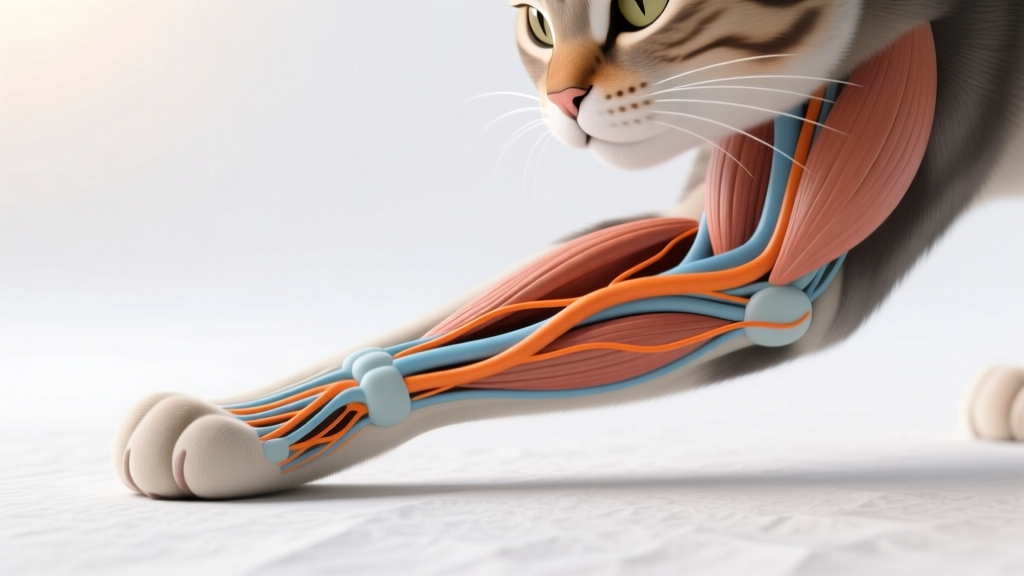
Regular rechecks every 2–4 weeks during initial regulation—and every 3 months thereafter—are essential. Untreated or poorly managed diabetes can lead to diabetic neuropathy (seen in ~20% of chronically unregulated cats) or life-threatening ketoacidosis. A 2026 retrospective analysis of 1,247 diabetic cats across 32 U.S. clinics showed median survival time post-diagnosis was 38 months when treated with insulin + diet, versus 11 months with diet alone. Another case study followed Bella, a 12-year-old Siamese in Austin, TX, who maintained stable control for 52 months using home glucose monitoring and quarterly fructosamine checks. Dr. Marcus Bell, BVSc, PhD, DACVIM, noted in his June 2026 lecture at the World Small Animal Veterinary Association Congress: “Remission is achievable in nearly half of cats diagnosed early and managed intensively—this isn’t just control, it’s potential reversal.”
Home glucose monitoring reduces clinic-related stress and improves data accuracy. Cats should be weighed weekly, and litter box habits tracked daily. Consistency in feeding times, insulin administration, and activity levels supports stable regulation.
Environmental enrichment plays an underappreciated role: stress elevates cortisol, which antagonizes insulin. Providing vertical space, predictable routines, and safe retreats helps maintain metabolic stability.
Oral hypoglycemics like glipizide are rarely effective in cats and carry significant risk of hepatotoxicity. They are not recommended per the 2026 AAFP Diabetes Consensus Panel.
Emergency signs—including lethargy, vomiting, acetone-smelling breath, or collapse—require immediate veterinary attention. These may indicate diabetic ketoacidosis, which carries a mortality rate of 25–30% even with intensive care.
Technology aids compliance: apps like Glucose Buddy Pet Edition (updated March 2026) sync with Bluetooth-enabled glucometers and generate shareable reports for veterinarians.
“The cornerstone of successful feline diabetes management lies in owner education, consistent home monitoring, and early nutritional intervention—not just insulin dosing.” — Dr. Lena Cho, DVM, DACVIM, February 2026
| Parameter | Normal Range | Diabetic Threshold | Testing Frequency |
|---|---|---|---|
| Fasting Blood Glucose | 60–120 mg/dL | >200 mg/dL (persistent) | Every 2–4 weeks initially |
| Fructosamine | 190–360 µmol/L | >450 µmol/L | Every 3 months if stable |
| Urine Glucose | Negative | Trace to 4+ on dipstick | Daily at home (optional) |
| Body Condition Score (BCS) | 4.5–5/9 | <4 or >6/9 | Weekly |
| Weight Change | Stable ±2% | >10% loss in 3 months | Weekly |
With proactive care and adherence to 2026 best practices, many cats live full, active lives after diagnosis. Early detection remains the most powerful tool—and your vigilance makes all the difference.