Cat Toxin Exposure: Lilies and Household Dangers
1. Why This Topic Matters to Cat Owners
Cats explore the world with their noses and mouths. They may nibble a leaf, lick pollen off their fur, sip from a vase, or groom something that spilled on their paws. Many everyday items in a typical home are safe for humans but can be toxic to cats—even in tiny amounts.
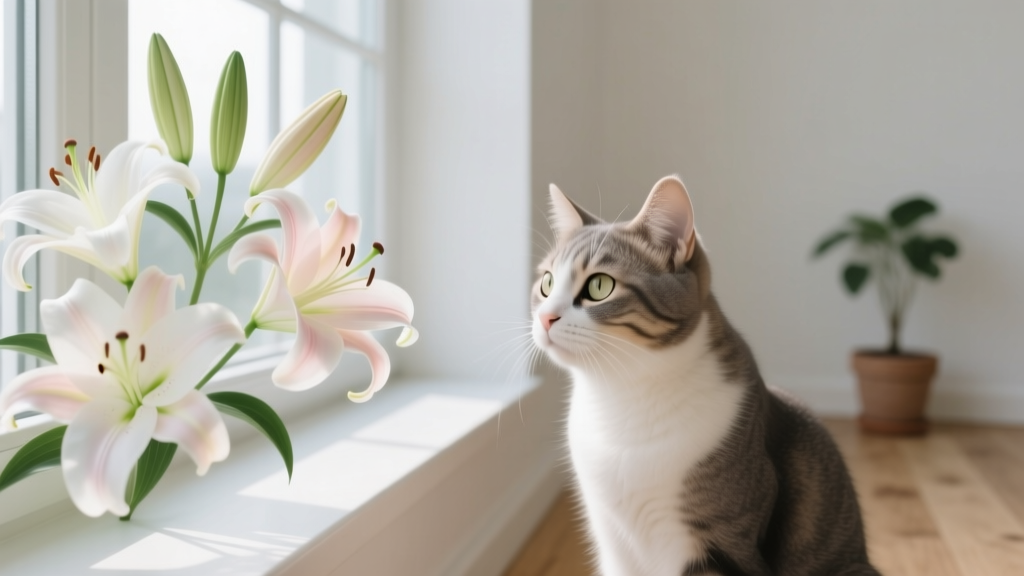
Among the most serious and misunderstood hazards are lilies. A bouquet that looks harmless on a kitchen counter can lead to life-threatening kidney failure in a cat. The good news: when cat toxin exposure is recognized early and treated quickly by a veterinarian, outcomes can improve dramatically. Knowing what’s dangerous, what warning signs look like, and what to do right away can make all the difference.
2. Overview: What Happens When a Cat Is Exposed to a Toxin?
A “toxin” is any substance that can cause illness or injury when it gets into the body. Cats can be exposed in several ways:
- Ingestion: chewing/licking plants, eating medications, tasting chemicals
- Skin/coat contact: stepping in a product, then grooming it off
- Inhalation: fumes, powders, aerosolized products
- Eye contact: splashes or airborne irritants
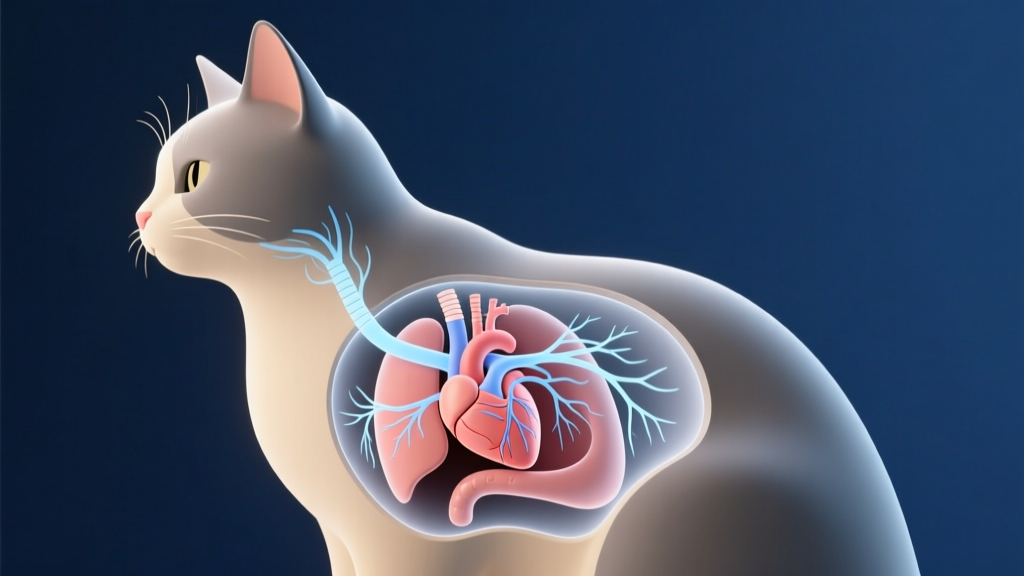
Once a toxin is absorbed, it may irritate the stomach and intestines, affect the nervous system, damage the liver or kidneys, alter heart rhythm, or interfere with blood clotting. Cats are especially sensitive to certain chemicals because they lack some liver enzymes used to break down toxins efficiently. That’s one reason common human medications can be so dangerous for them.
Lilies: A Special Case
True lilies and daylilies are uniquely dangerous to cats. Even a small amount—such as a few bites of a leaf, licking pollen, or drinking water from a vase—can trigger sudden kidney injury. The exact toxin isn’t fully identified, but the effect can be severe and rapid.
Lilies of highest concern:
- Easter lily (Lilium longiflorum)
- Tiger lily (Lilium lancifolium)
- Asiatic lilies (Lilium species)
- Oriental lilies (Lilium species)
- Daylilies (Hemerocallis species)
Important: Not every plant with “lily” in the name causes the same kidney failure (for example, peace lily typically causes mouth irritation rather than kidney failure). Because plant identification can be confusing, it’s safest to treat any “lily” exposure as urgent until a veterinarian confirms otherwise.
3. Symptoms and Warning Signs to Watch For
Signs vary depending on the toxin and the dose. Some cats show symptoms quickly; others appear normal for hours before worsening. Watch for any sudden change, especially if you suspect exposure.
Common general toxin exposure signs
- Drooling, lip smacking, pawing at the mouth
- Vomiting or retching
- Diarrhea
- Not eating, hiding, acting “off”
- Lethargy, weakness
- Rapid breathing or trouble breathing
- Tremors, stumbling, seizures
- Unusual vocalizing, agitation, or depression
- Changes in thirst and urination
Signs that can occur with lily exposure
- Vomiting (often within a few hours)
- Drooling, nausea, decreased appetite
- Lethargy
- Increased thirst and urination early on
- Decreased urination later (a serious sign of kidney failure)
If you see pollen on your cat’s face or fur, or you know there are lilies in the home, treat this as an emergency even if your cat looks fine.
4. Causes and Risk Factors
Risk depends on the cat’s environment, habits, and household routines. Many poisonings happen during normal daily life—holidays, spring cleaning, renovations, or when guests bring flowers.
Top household toxin categories
- Toxic plants: lilies, sago palm (very dangerous), some holiday plants, many bulb plants
- Human medications: acetaminophen (Tylenol), ibuprofen, naproxen, antidepressants, ADHD meds
- Insect/rodent products: rodent baits, ant bait gels, certain insecticides
- Cleaning supplies: concentrated disinfectants, bleach mixtures, toilet bowl cleaners
- Automotive products: antifreeze (ethylene glycol), oils and solvents
- Essential oils and fragrances: tea tree, eucalyptus, peppermint, diffusers and concentrated oils
- Foods: onions/garlic, xylitol (in some products), alcohol; chocolate is less common in cats but still risky
Risk factors that increase exposure
- Kittens and young cats (more curious, more chewing)
- Cats that graze on plants or have pica (eating non-food items)
- Multiple-pet households where items get knocked over
- Homes with bouquets, floral arrangements, or plant gifts
- Access to garages, basements, balconies, and shared hallways
5. Diagnosis: What to Expect at the Vet
When you arrive, the veterinary team will focus on stabilizing your cat first, then identifying the likely toxin. Bring information that helps them act quickly.
What the vet team may ask
- What your cat might have contacted or eaten (plant name, product brand, medication strength)
- How long ago exposure may have happened
- How much could be missing
- Symptoms you’ve seen (vomiting, tremors, appetite changes)
- Any underlying health conditions (kidney disease, heart disease)
Common tests and monitoring
- Physical exam and vital signs (temperature, heart rate, hydration)
- Bloodwork to evaluate kidney and liver values, electrolytes, blood sugar
- Urinalysis to assess kidney function and urine concentration
- Blood pressure and ECG if heart effects are possible
- Imaging (x-rays/ultrasound) in select cases
For lily exposures, kidney values may be normal early on. That’s why treatment often starts based on exposure history rather than waiting for lab changes.
6. Treatment Options (Medical, Surgical, Home Care)
Treatment depends on the toxin, timing, and your cat’s condition. The main goals are: stop further absorption, support vital organs, and manage symptoms.
Immediate veterinary treatments
- Decontamination:
- Inducing vomiting may be considered if ingestion was recent and your cat is stable (never try this at home unless a veterinarian instructs you)
- Activated charcoal may be used for certain toxins to reduce absorption
- Bathing/rinsing the coat if a product or pollen is on the fur
- IV fluids: critical for many poisonings and especially for lily exposure to support kidney perfusion and urine production
- Medications to control symptoms: anti-nausea meds, stomach protectants, pain control, anticonvulsants if needed
- Antidotes: available for some toxins (this depends on the exposure)
- Hospital monitoring: repeated bloodwork, urine output tracking, and supportive care
Lily exposure treatment specifics
- Early, aggressive IV fluid therapy is often recommended, commonly for 24–72 hours depending on timing and lab results
- Frequent checks of kidney values (BUN/creatinine), electrolytes, and urine output
- If kidney injury develops, the vet may discuss advanced care options (specialized hospitalization, dialysis where available)
Surgical or procedural care
Surgery is not typical for lily exposure, but it may be needed for other toxin situations, such as:
- Removal of toxin-containing foreign material from the stomach/intestines
- Treatment of complications (for example, severe GI obstruction)
Home care after treatment
Your veterinarian will give specific instructions. Home care often includes:
- Giving prescribed medications on schedule
- Encouraging hydration (wet food, extra water stations, fountains)
- Feeding a vet-recommended diet if the stomach or kidneys were affected
- Watching for relapse signs: vomiting, appetite loss, lethargy, changes in urination
- Returning for recheck bloodwork as directed
7. Prevention Strategies and Early Detection Tips
Prevention is the most effective “treatment” for toxin exposure. A few changes around the house can greatly reduce risk.
Practical steps you can do today
- Make your home lily-free. Don’t bring lilies or daylilies into any home with cats. Ask florists for cat-safe alternatives.
- Check bouquets before they enter. Many mixed arrangements contain lilies even when the bouquet name doesn’t mention them.
- Store medications like a pharmacist would. Use closed cabinets, not countertops or nightstands. Childproof caps are not pet-proof.
- Use pet-safe pest control. Ask your veterinarian about safer options and keep cats away during application.
- Rethink essential oils and diffusers. Avoid using concentrated oils around cats unless your veterinarian confirms safety.
- Secure cleaning supplies. Don’t leave open buckets, mop water, or concentrated cleaners accessible.
- Block garage access. Antifreeze and automotive fluids are high-risk.
Early detection habits
- Do a quick daily check: appetite, energy level, litter box habits
- Know your cat’s “normal” urination pattern so changes stand out
- When guests visit, ask about flowers or medications in bags/coats
- Keep the number for your veterinarian and a pet poison resource accessible
8. Prognosis and Quality of Life Considerations
Prognosis varies widely by toxin and how quickly treatment starts.
- Early intervention: Many cats recover well when care begins promptly after exposure.
- Delayed treatment: Some toxins can cause organ damage that is harder to reverse. With lilies, delayed care increases the risk of significant kidney injury.
- Aftercare and monitoring: If kidneys or liver were affected, your vet may recommend follow-up labs and possibly long-term diet changes.
Quality of life is a key part of the plan. Veterinary teams aim not only to treat the toxin but also to keep your cat comfortable—controlling nausea, maintaining hydration, and supporting appetite. If chronic kidney disease results from a severe exposure, many cats can still enjoy good quality of life with appropriate veterinary management and home support.
9. When to Seek Emergency Veterinary Care
Seek emergency care right away if any of the following apply:
- Your cat had any contact with lilies or daylilies (chewed plant, licked pollen, drank vase water), even if acting normal
- Seizures, tremors, collapse, severe weakness
- Trouble breathing, blue/pale gums, severe lethargy
- Repeated vomiting, inability to keep water down, or signs of dehydration
- Suspected ingestion of human medication (especially acetaminophen, ibuprofen, naproxen)
- Known exposure to rodent bait, antifreeze, or concentrated essential oils
What to do while you’re arranging care:
- Remove access to the toxin (pick up plant, close the room, secure spills)
- If safe, gently wipe visible pollen or residue from fur with a damp cloth to reduce grooming exposure
- Bring a sample or photo of the plant/product and its packaging
- Do not give home remedies, milk, oil, or salt water
- Do not induce vomiting unless a veterinarian specifically tells you to
When in doubt, call your veterinarian or an emergency clinic immediately. Professional guidance is always the safest choice.
10. FAQ: Common Questions Cat Owners Ask
Are all “lilies” toxic to cats?
No, but many are, and the most dangerous types (true lilies and daylilies) can cause kidney failure. Because common names are confusing and bouquets are often mislabeled, treat any lily exposure as urgent and contact a veterinarian right away.
If my cat only got pollen on their fur, is that still a problem?
Yes. Cats groom themselves and can ingest pollen while cleaning. Even small exposures have been associated with severe illness in true lily/daylily cases. Call your veterinarian immediately.
How quickly do symptoms show up after toxin exposure?
It depends on the toxin. Some cause drooling or vomiting within minutes to hours. Others, including kidney toxins, may have a delay before more serious signs appear. Don’t wait for symptoms if you know exposure occurred—especially with lilies.
Can I monitor at home first if my cat seems fine?
Home monitoring alone is risky when a serious toxin is possible. Cats often hide illness, and some toxins cause damage before visible symptoms appear. Contact your veterinarian promptly for advice; they may recommend immediate evaluation and bloodwork.
What information should I bring to the vet?
Bring the plant (or a clear photo), the product container/label, or the medication bottle (including strength and how many tablets may be missing). Also note the time of possible exposure and any symptoms you’ve seen.
What are safer alternatives to lilies for a cat-friendly home?
Ask your florist for cat-safe options and keep all plants out of chewing reach. Your veterinarian can also help you choose safer greenery based on your cat’s habits. Even “non-toxic” plants can cause mild stomach upset if eaten in large amounts.
If you’re building a safer home for your cat, exploring plant choices, or learning how to spot early illness, visit catloversbase.com for more cat health resources and practical guidance.