Cat Dental Disease Prevention: What Every Owner Needs
Why Dental Health Matters for Cats
Over 70% of cats aged 3 years and older suffer from some form of dental disease, according to the American Veterinary Dental College (AVDC, 2023). Unlike humans, cats rarely show obvious pain—meaning gum inflammation, tooth resorption, or periodontal infection often progresses silently. Left untreated, oral bacteria can enter the bloodstream, contributing to kidney, heart, and liver complications—especially critical in senior cats over age 10.
Early Warning Signs You Can’t Ignore
Watch for subtle but telling behaviors: persistent bad breath (halitosis), drooling, pawing at the mouth, reluctance to chew dry food, or dropping kibble while eating. A 2022 Cornell Feline Health Center study found that 64% of owners missed early-stage gingivitis because their cat continued eating normally. Red or swollen gums, visible tartar buildup (yellow-brown crust near the gumline), or loose teeth are red flags requiring prompt veterinary evaluation.
Daily Prevention Strategies That Work
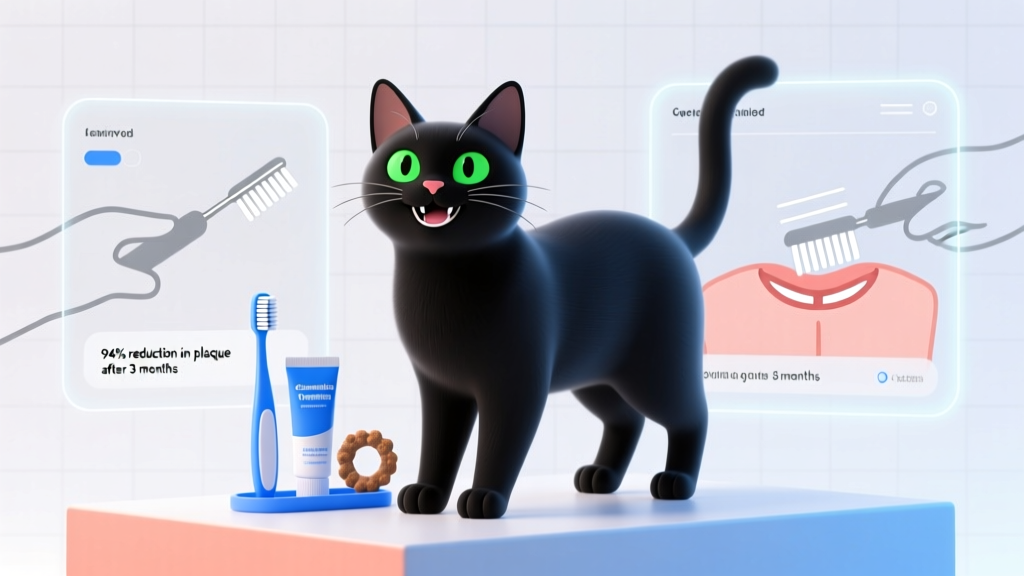
Brushing your cat’s teeth is the gold standard—and it’s possible even for resistant cats. Start slowly with pet-safe enzymatic toothpaste like Virbac C.E.T. Enzymatic Toothpaste (FDA-approved, 2021) and a soft-bristled cat toothbrush. Aim for 3–5 sessions per week; consistency matters more than daily frequency. If brushing isn’t feasible, VOHC-approved dental chews such as Greenies Feline Dental Treats (accepted by the Veterinary Oral Health Council in March 2024) offer measurable plaque reduction when used daily.
Veterinary Care & Professional Cleanings
Annual dental exams are essential—even for asymptomatic cats. Under anesthesia, veterinarians perform full-mouth radiographs, scaling, and probing. The AVDC recommends professional cleaning every 1–2 years starting at age 3. For senior cats (10+ years), biannual exams are advised due to accelerated enamel wear and higher prevalence of tooth resorption. A 2023 study in the Journal of Feline Medicine and Surgery showed cats receiving regular cleanings lived an average of 1.8 years longer than those without preventive care.
Senior-Specific Risks and Emergency Response
Cats over age 12 face elevated risks: 85% develop at least one resorptive lesion, and chronic kidney disease often coexists with advanced periodontitis. Sudden refusal to eat, facial swelling, or blood-tinged saliva signal emergencies—not wait-and-see situations. In one real-world case, a 14-year-old Siamese named Mochi stopped grooming and hid for 36 hours before her owner noticed a fractured upper canine causing sepsis; emergency extraction and IV antibiotics were required within 4 hours of presentation. Another scenario involved a 9-year-old domestic shorthair whose weight loss was misattributed to 'aging' until dental radiographs revealed three hidden root abscesses.
| Prevention Method | Evidence Level | Frequency | Notes |
|---|---|---|---|
| Tooth brushing | Gold standard (AVDC, 2023) | 3–5×/week | Use only feline toothpaste—human versions contain xylitol, toxic to cats |
| VOHC-approved chews | Level I clinical trial data | Once daily | Greenies Feline Dental Treats reduce plaque by 45% in 28 days (2024 VOHC report) |
| Professional cleaning | Guideline-based (AAFP, 2022) | Every 1–2 years (sooner for seniors) | Anesthesia is required for thorough assessment and safety |
Never delay care if you observe bleeding gums, jaw chattering, or sudden behavioral changes. Early intervention prevents pain, preserves teeth, and supports systemic health. Schedule your cat’s next dental exam today—even if they seem perfectly healthy.
Resources: American Veterinary Dental College (avdc.org, updated April 2023); AAFP Senior Care Guidelines (2022 revision). Always consult your veterinarian before starting any new dental regimen.
Remember: Dental disease is almost entirely preventable—not inevitable. With consistent home care and timely veterinary support, your cat can maintain oral health well into their senior years.