Feline Heterophyes: Fish-Borne Fluke Infection
1. Why This Topic Matters to Cat Owners
If your cat has ever begged for a taste of sushi, hunted fish near a pond, or been fed raw fish as a “natural” treat, it’s worth knowing about fish-borne parasites. One of these is Heterophyes, a tiny intestinal fluke (a type of parasitic flatworm) that can infect cats after they eat contaminated fish. Many infections are mild, but some cats develop ongoing digestive upset, weight loss, or secondary problems that affect overall comfort and nutrition.
The good news: heterophyid fluke infections are treatable, and prevention is very doable once you understand how cats get infected. This guide explains what to watch for, what your veterinarian may recommend, and practical steps you can take at home to reduce risk.
2. Overview: What Is Feline Heterophyes?
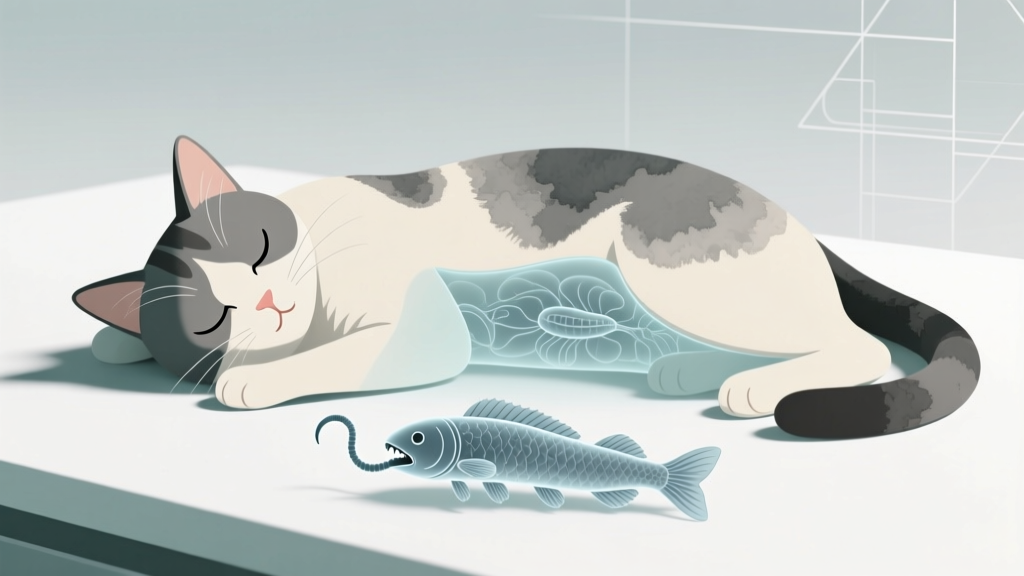
Heterophyes refers to a group/species of small intestinal flukes (often discussed with “heterophyid flukes”) that infect mammals and birds. In cats, these parasites typically live in the small intestine. They attach to the intestinal lining and can cause irritation and inflammation, leading to digestive symptoms.
Cats become infected by eating raw or undercooked fish that contains the parasite’s immature form (metacercariae). Once swallowed, the parasite matures in the intestine and begins producing eggs that pass out in the stool.
Why it matters:
- Some cats develop chronic diarrhea or poor weight gain that can be mistaken for food intolerance or inflammatory bowel disease (IBD).
- In multi-pet households, shared environments and litterboxes can complicate parasite control if one cat is infected.
- Fish-borne parasites can be a public health concern in some regions, because humans can also become infected by eating raw/undercooked fish. (Your cat isn’t the source of human infection in the usual scenario; contaminated fish is.)
3. Symptoms and Warning Signs to Watch For
Some cats show no obvious signs, especially with light infections. When symptoms do occur, they typically involve the digestive tract.
Common signs:
- Diarrhea (may be intermittent or chronic)
- Soft stools or increased stool frequency
- Mucus in the stool
- Straining or discomfort during bowel movements
- Decreased appetite or picky eating
- Weight loss or failure to maintain weight
- Dull coat or reduced grooming (often secondary to not feeling well)
Less common but concerning signs:
- Vomiting (can happen, though intestinal flukes more often cause diarrhea)
- Lethargy
- Dehydration (sunken eyes, tacky gums, reduced skin elasticity)
- Blood in stool (can occur with intestinal irritation; always deserves veterinary attention)
If your cat has digestive signs lasting more than 24–48 hours, or any weight loss, contact your veterinarian. Parasites are only one possible cause, and a proper diagnosis helps your cat get targeted treatment quickly.
4. Causes and Risk Factors
Heterophyid flukes have a life cycle that involves aquatic environments. Cats are infected when they consume fish containing the infective stage.
Primary cause:
- Eating raw or undercooked fish from contaminated sources
Risk factors that raise the odds:
- Outdoor access near rivers, lakes, ponds, or coastal areas where cats can catch fish
- Feeding raw fish or homemade raw diets that include fish that hasn’t been properly frozen/handled
- Offering “treats” like raw fish scraps or letting cats lick raw fish juices from cutting boards
- Living in or traveling to regions where fish-borne trematodes are more common (your veterinarian will know local patterns)
- Households where multiple pets share spaces and one cat is a skilled “hunter” bringing home fish
Immediate actions you can take today:
- Stop offering raw fish (even “just a bite”).
- Prevent access to fishing bait, raw fish leftovers, and compost bins.
- Keep cats indoors or supervise outdoor time near water.
5. Diagnosis: What to Expect at the Vet
If your veterinarian suspects a fish-borne fluke infection, they’ll start with a history and exam. Be ready to answer questions about diet and exposure.
Your vet may ask:
- Has your cat eaten raw fish or been fed raw diets?
- Does your cat have outdoor access near water?
- When did the diarrhea start? Any weight loss or appetite changes?
- Any other pets in the home with similar signs?
Common diagnostic tests:
- Fecal examination (microscopic evaluation for parasite eggs). This may include fecal flotation and/or sedimentation techniques; some fluke eggs are easier to find with certain methods.
- Fecal PCR or specialized parasite testing in some cases, especially when routine tests are negative but suspicion remains high.
- General health screening (as needed): bloodwork to check hydration, organ function, inflammation, and to rule out other causes of chronic GI signs.
- Additional GI workup if signs are persistent: stool cultures, parasite antigen tests for other organisms, abdominal ultrasound, or diet trials depending on the full picture.
Tip: Bring a fresh stool sample to your appointment if possible. If you can’t, ask your clinic how to collect and store one properly (usually a clean container and refrigeration if there will be a delay).
6. Treatment Options (Medical, Surgical, Home Care)
Treatment is typically straightforward once the diagnosis is made. Your veterinarian will choose a deworming medication effective against flukes and may add supportive care if your cat is dehydrated or has significant intestinal irritation.
Medical Treatment
- Prescription antiparasitic medication: The most commonly used drug class for flukes includes medications such as praziquantel (your veterinarian will determine the appropriate product and dose). Follow dosing instructions exactly, and never use over-the-counter dewormers without veterinary guidance—many do not treat flukes.
- Repeat dosing or recheck testing: Depending on the parasite burden and your region’s protocols, your vet may recommend a second dose and/or fecal recheck to confirm clearance.
- Supportive medications (when needed): anti-diarrheal support (only if prescribed), probiotics, appetite support, or medications to protect the GI tract.
Surgical Treatment
Surgery is not typically needed for intestinal fluke infections. If a cat has severe, ongoing GI disease, imaging might be recommended to rule out other issues (foreign bodies, tumors, severe inflammatory disease), but flukes themselves are managed medically.
Home Care During Recovery
Your cat’s comfort and hydration matter while the intestinal lining heals.
- Hydration: Offer fresh water in multiple locations. Consider a cat water fountain if your cat drinks better from moving water.
- Diet: Feed a highly digestible diet if your veterinarian recommends it. Avoid sudden food changes unless instructed.
- Litter box monitoring: Track stool frequency and appearance daily for 1–2 weeks.
- Medication routine: Give medications on schedule and finish the full course.
- Prevent reinfection: Eliminate access to raw fish and discourage hunting behavior near water.
If diarrhea worsens, your cat stops eating, or you see blood, contact your veterinarian promptly.
7. Prevention Strategies and Early Detection Tips
Prevention focuses on blocking exposure to infective stages in fish.
Best prevention steps:
- Do not feed raw or undercooked fish to cats. If you offer fish, use properly cooked fish in small amounts and only if it fits your cat’s overall nutrition plan.
- Avoid raw fish-based treats from uncertain sources.
- Keep cats indoors or supervise outdoor time, especially around fishing areas and waterways.
- Secure trash and food prep areas: Prevent access to fish scraps, packaging, and cutting boards.
- Routine veterinary fecal testing: Ask your vet how often they recommend stool checks based on your cat’s lifestyle (indoor vs. outdoor, hunting behavior, region).
Early detection tips:
- Weigh your cat monthly at home (a baby scale works well for small cats). Unexplained weight loss is an early clue that something isn’t right.
- Take photos of abnormal stools to show your vet (helpful for intermittent issues).
- Schedule a vet visit if diarrhea persists beyond 1–2 days or keeps coming back.
8. Prognosis and Quality of Life
With accurate diagnosis and the right antiparasitic medication, the prognosis is generally very good. Most cats improve within days to a couple of weeks, depending on how long the infection has been present and whether the intestinal tract is inflamed.
Quality of life considerations:
- Cats with long-standing diarrhea may need a short period of GI-supportive nutrition and careful reintroduction of normal foods.
- If your cat has other GI conditions (food sensitivities, IBD, pancreatic disease), fluke infection can “stack” on top of existing issues. Your vet may recommend a broader GI plan after the parasite is treated.
- Reinfection is possible if a cat continues to eat raw fish or hunt fish—prevention is part of long-term comfort.
9. When to Seek Emergency Veterinary Care
Most suspected parasite cases can be handled with a prompt, regular veterinary appointment. Seek emergency care if you notice any of the following:
- Severe lethargy or collapse
- Repeated vomiting or inability to keep water down
- Signs of dehydration (very tacky gums, weakness, not urinating as expected)
- Large amounts of blood in stool or black, tarry stool
- Severe abdominal pain (crying out, hiding, tense belly, unwillingness to be touched)
- Kittens, seniors, or cats with chronic illnesses who develop diarrhea and stop eating
If you’re unsure whether it’s an emergency, call your veterinary clinic or an emergency hospital for guidance. It’s always appropriate to ask.
10. FAQ: Common Questions About Fish-Borne Flukes in Cats
Can my indoor-only cat get Heterophyes?
Yes, if an indoor cat is fed raw or undercooked fish, or gets access to raw fish scraps. Indoor-only cats who never eat raw fish and have no exposure to fishing bait or raw seafood have a much lower risk.
Is this the same as “tapeworm”?
No. Tapeworms and flukes are different parasites. Many common dewormers target roundworms/hookworms, and some target tapeworms, but flukes often require specific treatment. Your veterinarian will choose a medication that matches the parasite.
Can I treat my cat at home with over-the-counter dewormers?
Home treatment without a diagnosis isn’t recommended. Over-the-counter products may not treat flukes, and giving the wrong medication can delay proper care. If your cat has diarrhea or weight loss, schedule a veterinary exam and bring a stool sample.
How soon will my cat feel better after treatment?
Some cats improve within a few days, especially if the infection was mild. If the intestines are inflamed or the infection has been present for a while, stool quality and appetite may take 1–2 weeks to normalize. Follow your veterinarian’s plan and attend any recommended rechecks.
Can humans catch Heterophyes from cats?
Humans typically become infected by eating raw or undercooked fish that contains the parasite, not from casual contact with cats. Good hygiene is still wise: wash hands after litterbox duties, and keep cats away from food prep areas.
Should my other pets be tested or treated?
If other pets share the same diet (especially raw fish) or have similar symptoms, talk to your veterinarian. Your vet may recommend fecal testing for other pets in the household and will advise whether treatment is appropriate.
If you suspect your cat may have been exposed to raw fish or is having ongoing digestive upset, schedule an appointment with your veterinarian for proper testing and treatment. For more caring, practical cat health guides and preventive care tips, visit catloversbase.com.